

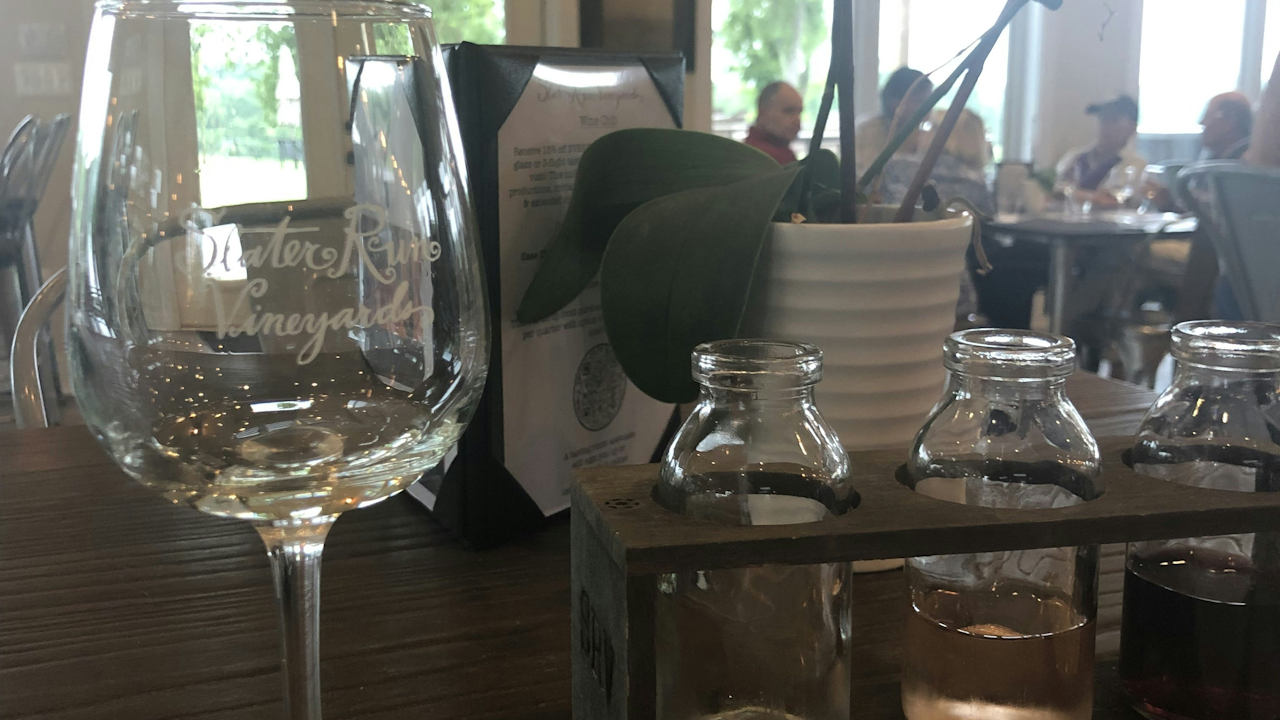
Hosting a wine tasting party can be an enjoyable way to gather friends, explore new flavors, and create memorable conversations without the stress of elaborate preparations. A no-fuss approach focuses on simplicity, good company, and the wines themselves rather than perfect decor or complicated recipes. Whether you are a seasoned host or trying this for the first time, this guide provides practical steps to organize an event that feels relaxed and sophisticated at the same time. The goal is to keep things straightforward so you can enjoy the evening too.
Why Choose a No-Fuss Wine Tasting Party
Wine tastings offer a low-pressure social format where guests can sip, compare notes, and learn without needing expert knowledge. Unlike formal dinners that require extensive cooking or large parties that demand constant attention, a wine tasting centers on a shared activity. Guests appreciate the structure because it gives them something to focus on besides small talk.
A no-fuss version eliminates unnecessary elements like themed table settings or hired staff. You provide a few good bottles, basic supplies, and a comfortable space. This style works well for groups of six to twelve people, striking a balance between intimacy and lively discussion. It also accommodates different budgets and experience levels, making it accessible for beginners.
Step 1: Choose a Date, Time, and Guest List
Start planning two to four weeks in advance. Select a weekend evening, ideally starting at 7 PM and lasting three to four hours. This timing allows guests to arrive after work and leave at a reasonable hour. Avoid holidays or major events when schedules fill quickly.
Keep the guest list manageable. Six to ten people creates good conversation flow without overwhelming your space. Invite a mix of wine enthusiasts and newcomers for varied perspectives. Send invitations through email or a simple group text. Include basic details such as the date, time, location, and a note that no prior knowledge is required. Ask guests to confirm attendance so you can plan the number of wines accordingly.
If you want to add a light theme without extra work, suggest casual attire or ask each guest to bring one bottle within a certain price range. Themes like “wines under twenty dollars” or “favorite regional varieties” keep things easy.
Step 2: Select the Wines
The wines are the star of the show, so choose them thoughtfully but simply. Aim for four to six different wines to avoid palate fatigue. A good progression might include:
- A crisp white such as Sauvignon Blanc or Pinot Grigio
- A fuller white like Chardonnay
- A light red such as Pinot Noir
- A medium-bodied red like Merlot or Cabernet Sauvignon
- A bold red such as Syrah or Malbec
- Optionally, a sweet dessert wine or sparkling wine to finish
Consider a single-region focus, such as Italian wines or California varieties, to create a loose educational thread. For a blind tasting variation, wrap bottles in paper and number them.
Budget-wise, select bottles between ten and thirty dollars each. Local wine shops often provide helpful recommendations if you describe your group and preferences. Buy a few extra bottles in case the group enjoys one variety particularly well. Remember to include non-alcoholic options like sparkling water or grape juice for designated drivers or non-drinkers.
Purchase wines a few days ahead and store them properly. Reds can sit at room temperature while whites and sparklings should chill in the refrigerator.
Step 3: Prepare Your Space
Choose a comfortable area with good lighting and enough seating. A dining table or several small tables work best so guests can sit while tasting. Arrange seating in a circle or around one large surface for easy interaction.
Keep decor minimal. A clean tablecloth, some candles, and fresh flowers from the grocery store are sufficient. Dim overhead lights and use lamps or candles to create a warm atmosphere without much effort. Ensure the room has good ventilation, especially if several people open bottles at once.
Clear away clutter beforehand. Place coasters, napkins, and water glasses at each setting. If space allows, set up a separate side table for additional supplies and food.
Step 4: Gather Simple Supplies
You do not need specialty equipment for a no-fuss event. Here is a basic checklist:
- One wine glass per person (rent or borrow if necessary)
- A pitcher of water for rinsing glasses between tastes
- Small bowls of plain crackers or bread to cleanse palates
- Spit buckets or cups (discreetly placed)
- Notepads and pens for tasting notes
- Bottle openers and a foil cutter
- Printed tasting sheets if you want to add structure
- Labels or numbers for blind tasting options
Most of these items are already in your kitchen or easily available at discount stores. Set everything out on a tray or sideboard before guests arrive to minimize last-minute rushing.
Step 5: Plan Easy Food Pairings
Food enhances wine but should not require hours in the kitchen. Focus on simple, complementary snacks that guests can serve themselves. Good options include:
- Cheese platters with mild cheddar, brie, and gouda
- Sliced baguettes and crackers
- Olives, nuts, and dried fruits
- Charcuterie items like prosciutto or salami
- Fresh grapes and apple slices
- Dark chocolate pieces for dessert wines
Arrange everything on large platters or boards that can sit out for the evening. Avoid strong-flavored or messy foods that might overpower the wines. Place food stations away from the main tasting area so guests can nibble between sips without distraction.
If you prefer even less preparation, ask guests to each bring one item to share. This potluck style reduces your workload while encouraging participation.
Step 6: Structure the Tasting
Begin the evening with a brief welcome once everyone arrives. Offer a glass of sparkling water or a light starter wine while guests settle in. Explain the order of wines and any simple rules, such as pouring small amounts and rinsing glasses between tastings.
Serve wines in sequence from lightest to heaviest. Start with whites, move to reds, and end with sweeter options. Pour about one to two ounces per tasting round. Encourage guests to swirl, sniff, sip, and discuss what they notice. Provide prompts like:
- What aromas do you detect?
- Is the wine dry, sweet, or balanced?
- How does it feel on your tongue?
- Would you drink this again and with what food?
Keep the pace relaxed. Spend fifteen to twenty minutes on each wine. This allows time for notes and conversation without rushing. If doing a blind tasting, reveal each bottle after discussion for added fun.
Have a host or volunteer pour to maintain control over portions and flow. Remind everyone to drink responsibly and provide plenty of water throughout the evening.
Step 7: Add Light Activities and Conversation Starters
To keep energy high without complicating things, incorporate optional activities. A simple scoring system where guests rate each wine from one to ten adds engagement. Or create a “wine bingo” card with common descriptors like “floral,” “earthy,” or “jammy.”
Facilitate discussion by asking open questions. Share interesting facts about each wine if you researched them briefly beforehand. For example, mention the region or grape characteristics without turning the night into a lecture.
Music can enhance the mood. Play soft background jazz or instrumental playlists at low volume. Avoid anything too distracting.
Step 8: Handle Logistics Smoothly
Designate a spot for coats and bags near the entrance. Set clear expectations about parking if space is limited. Have extra masks or hand sanitizer available if any guests prefer them.
Monitor the group’s energy. If conversation lags, move to the next wine. If enthusiasm builds around one bottle, open a second one. Flexibility is key in a no-fuss event.
For safety, always have non-alcoholic alternatives and encourage rideshares or designated drivers. End the tasting portion after the final wine and transition naturally to casual socializing.
Step 9: Cleanup and Follow-Up
One advantage of a simple format is easier cleanup. Ask guests to help carry glasses to the kitchen as the evening winds down. This shared effort makes the process quick.
Rinse glasses and recyclables immediately. Leftover wine can be stored with vacuum seals or used for cooking the next day. Refrigerate open whites and reds for up to a few days.
Send a thank-you message the following day with any group photos or favorite tasting notes. Guests often appreciate recommendations for wines they enjoyed.
Common Mistakes to Avoid
Even with a relaxed approach, a few pitfalls can arise. Pouring overly large servings leads to quick intoxication and less tasting. Skipping palate cleansers makes later wines taste muddled. Over-planning activities can feel forced, so let natural conversation take priority.
Another frequent error is selecting wines that are too similar. Variety keeps interest high. Also, avoid serving wines straight from the refrigerator unless they are meant to be chilled. Let reds breathe for twenty to thirty minutes before pouring.
Scaling for Different Group Sizes and Budgets
For smaller groups of four to six, reduce to three or four wines and use your regular dining setup. Larger groups of ten to twelve benefit from multiple tables and extra pourers.
Budget adjustments are straightforward. Focus on quality over quantity. Many excellent wines exist in affordable ranges. Consider splitting costs by asking guests to contribute if the total feels high. The experience matters more than rare vintages.
Making It a Regular Tradition
Once you host one successful tasting, you may want to repeat the format. Rotate hosts among friends or establish a monthly club with different themes each time. Over time, your group will develop shared preferences and inside jokes, deepening friendships.
Keep notes from each event in a simple document or notebook. Record which wines worked well and what the group enjoyed discussing. This reference helps future planning.
Final Thoughts
A no-fuss wine tasting party proves that good times require minimal stress. By focusing on quality wines, comfortable surroundings, and easy logistics, you create an atmosphere where connections flourish naturally. Guests leave feeling they learned something new about wine and enjoyed meaningful time together.
The beauty lies in its flexibility. Adapt these steps to your home, preferences, and group dynamics. With practice, hosting becomes second nature, and your wine tasting evenings might become some of the most anticipated events on the calendar. Pour yourself a small glass, relax, and enjoy the process of bringing people together over something as simple and delightful as a good bottle of wine.