

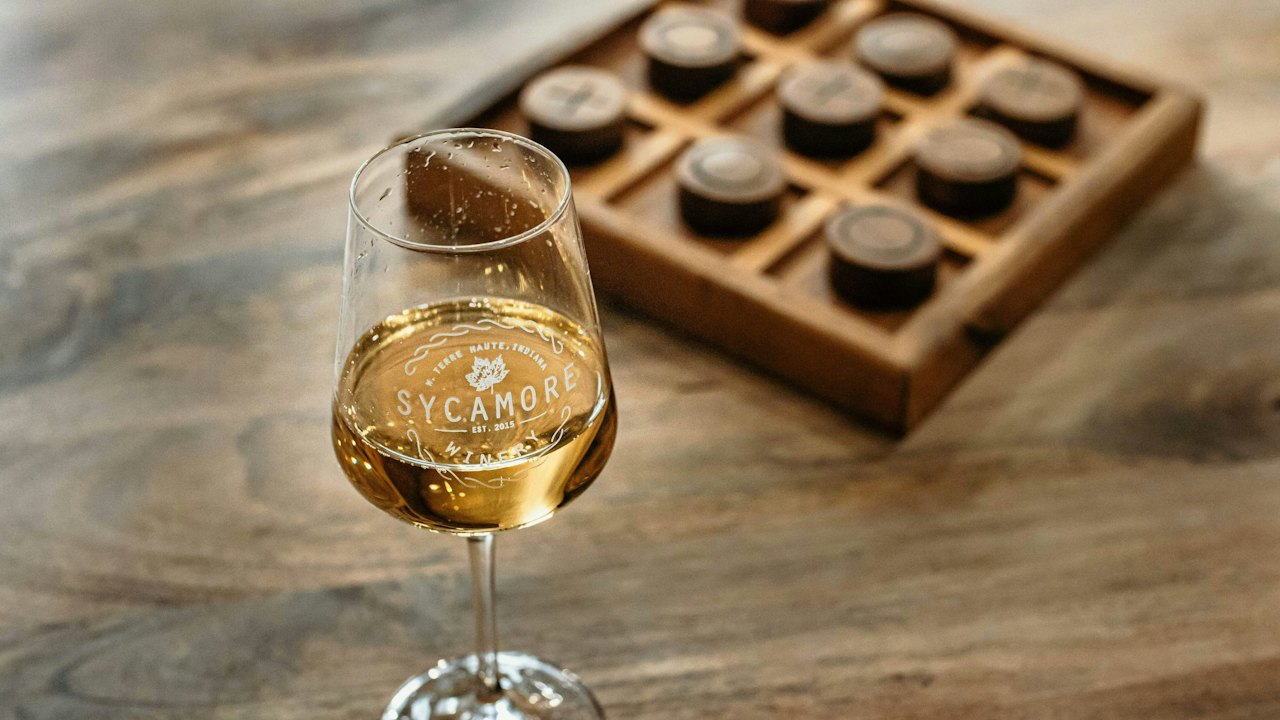
Blind wine tasting removes every visual cue that usually influences judgment. There are no labels to signal prestige, no price tags to set expectations, and no familiar bottle shapes to trigger memory. What remains is pure sensory evaluation: color in the glass, aromas rising from the swirl, textures on the palate, and the length of the finish. This format turns a casual gathering into a lively game where guests compete, laugh, learn, and often discover new favorites they would have overlooked if the bottle had been visible.
A blind wine tasting game works for any group size from six close friends to a larger party with teams. It suits beginners who want to build confidence and experienced drinkers who enjoy the challenge of identifying subtle differences. The structure keeps conversation flowing, prevents any single person from dominating with wine knowledge, and creates natural moments of surprise when the covers come off. Best of all, it requires no special expertise to host. Thoughtful planning and a few practical supplies are enough to deliver an evening that feels both sophisticated and genuinely fun.
Why Blind Tastings Create Better Experiences Than Regular Wine Nights
Regular wine gatherings often revolve around the story on the label. Guests may praise a bottle because they recognize the producer or because the price suggests quality. In a blind setting those external signals disappear. Studies and everyday experience show that expectations shape perception. The same wine poured from a bottle labeled with a high price often receives higher scores than when it is presented without identification. Removing the label eliminates that bias and lets the liquid speak for itself.
The game element adds another layer. Guests are not simply sipping and nodding. They are actively trying to name the grape, the country or region, the approximate vintage, or the price range. This turns passive tasting into active participation. People lean in, compare notes, argue good-naturedly, and celebrate when someone nails a difficult guess. The social dynamic improves because everyone operates from the same information. A newcomer can outscore a self-proclaimed expert on any given flight, which keeps the mood light and inclusive.
Blind tasting also accelerates learning. After the reveal, the group discusses what clues were present in the glass. Someone might realize they consistently under-estimate acidity or that they love a grape they thought they disliked. These insights stick because they come from direct experience rather than reading a tasting note. Over time, regular blind tastings sharpen descriptive vocabulary and build a mental library of flavor patterns that makes future wine choices more confident.
Finally, the format is flexible. You can keep it simple with four or five wines and a basic guessing game, or you can layer in scoring systems, multiple choice quizzes, team competitions, or themed flights that match a holiday or season. The core remains the same: hide the bottles, taste thoughtfully, guess creatively, and reveal with drama.
Step One: Planning the Event Details
Begin with the guest list. Six to ten people creates an intimate atmosphere where everyone can hear the discussion and participate fully. Larger groups are possible if you have extra space and at least one helper to manage pouring and score collection. Consider mixing experience levels. A few knowledgeable guests add depth to the conversation after the reveal, while beginners bring fresh perspectives and keep the tone from becoming too technical.
Choose the date and start time with care. An evening start around seven allows working guests to arrive relaxed. Plan for the tasting portion to last ninety minutes to two hours, followed by food and open conversation. This pacing prevents palate fatigue and gives everyone time to enjoy the social part of the evening without feeling rushed.
Decide on the physical setting. A dining table or large kitchen island works well because it provides a flat surface for glasses and sheets. Good lighting helps guests evaluate color accurately; avoid very dim rooms or harsh overhead fluorescents. Temperature control matters too. Keep the space comfortable but not overly warm, since heat accelerates alcohol evaporation and dulls aromas. If you have outdoor space and the weather is cooperative, a patio or garden can feel festive, though you will need to monitor serving temperatures more closely.
Set a realistic budget early. The largest expense is usually the wine itself. For a six-wine flight with eight guests you will typically need two to three bottles of each wine to allow consistent pours and a backup in case one bottle is corked or damaged. Add the cost of glasses if you need to supplement what you own, plus food, water, dump buckets, and small prizes. Many successful events stay under a modest per-person total by focusing on well-chosen mid-range bottles rather than trophy wines.
Select a theme that matches the group. A single-varietal flight such as Chardonnay from different countries highlights how climate and winemaking change the same grape. An Old World versus New World comparison shows stylistic differences between European restraint and New World fruit-forward styles. A price-blind flight mixes bottles from under fifteen dollars with a couple of higher-priced examples so guests can test whether price predicts enjoyment. A regional theme such as wines from Italy or the Pacific Northwest creates a story that ties the evening together. For absolute beginners, keep the theme simple: four whites and two reds with the single task of guessing the grape variety.
Send invitations with enough lead time for guests to plan. A short message works: “You are invited to a blind wine tasting game on Saturday at seven. We will taste six hidden wines, guess what they are, and enjoy light food. Please avoid strong perfume or cologne that evening so everyone can focus on the aromas in the glass. Let me know of any dietary needs.” This sets expectations without giving away the specific wines.
Step Two: Selecting and Preparing the Wines
Aim for five to eight wines. Fewer than five can feel brief once discussion begins. More than eight risks overwhelming palates and shortening attention spans. Six wines strike a good balance for most groups. Within that number, aim for variety in body, acidity, and flavor intensity so each glass offers a distinct experience.
When shopping, work with a knowledgeable retailer if possible. Describe the theme and the price range you have in mind without asking for specific bottle names that would break the blind element later. Many shops are happy to assemble a balanced flight and can suggest good value options. Buy the wines a few days ahead so they can rest after transport. Store whites and sparkling wines in a cool place and reds at normal room temperature until serving day.
True blindness requires covering every identifying feature. Paper grocery bags or lunch bags work in a pinch. Cut a small hole near the bottom for the neck if needed, then slide the bottle inside and secure the bag with tape or a rubber band so nothing shows. Specialized blind tasting bags made of fabric or heavy paper are reusable and look neater. Whichever method you choose, number each bag clearly with a permanent marker. Wine 1 through Wine 6 prevents confusion once pouring starts.
Some hosts prefer to decant everything into identical carafes or directly into numbered glasses ahead of time. This removes even the subtle clue of bottle shape and allows you to check for sediment or off aromas in private. If you decant, do it in another room or behind a screen so guests do not see which bottle becomes which number. Keep the original bottles nearby but still bagged so you can reveal them dramatically at the end.
Check serving temperatures on the day of the event. Most whites and sparkling wines taste best between forty-five and fifty-five degrees Fahrenheit. Light reds such as Pinot Noir or Gamay perform well around fifty-five to sixty degrees. Fuller reds benefit from sixty to sixty-five degrees. Use an ice bucket for whites and a cool spot or wine sleeve for reds. If a wine feels too cold when poured, a few minutes in the glass will warm it slightly.
Always have a backup plan for problem bottles. One extra bottle of each wine, kept aside and unopened, covers the possibility of a corked or otherwise flawed bottle. It is better to open the backup than to serve something that will disappoint the group.
Step Three: Setting Up the Tasting Station and Materials
Consistent glassware is essential for fairness. All guests should use glasses of the same shape and size. Universal tasting glasses or inexpensive identical stems from a party supply store work well. You do not need the most expensive crystal; clarity and consistency matter more than brand. Provide one glass per person per wine if space and dishwashing allow, or plan a rinsing station with pitchers of plain water and small dump buckets.
Prepare tasting sheets in advance. A simple one-page form for each guest includes a row or section for every wine number. Useful columns are appearance (color and clarity), aroma notes, palate notes (sweetness, acidity, tannin, body, specific flavors), overall impression, and a guess section. Leave generous blank space for written comments. For a stronger game feel, add a scoring rubric at the bottom: ten points for correct grape variety, five points for correct country or region, five points for vintage within five years, and bonus points for the closest price guess or the most vivid written description.
Print extra sheets in case of spills or last-minute guests. Provide plenty of pens or pencils. Some hosts add a small notepad for guests who want to jot private thoughts before sharing with the group.
Create a palate-cleansing station. Plain water, neutral crackers or slices of baguette, and perhaps a few mild cheeses or nuts help reset the mouth between wines. Place these items within easy reach but not so close that crumbs interfere with glass handling.
Arrange seating so everyone faces the same direction or sits around a table where discussion flows naturally. If you are using pre-poured glasses, set them in a line or on a tray in numbered order. If you are pouring at the table, decide whether one person will pour all wines or whether guests will pass the bagged bottle. The first method keeps control and consistency; the second feels more interactive.
Finally, prepare a reveal station. Keep the bagged bottles or a list of what each number actually is in a separate area until the tasting portion ends. This builds anticipation and prevents accidental peeking.
Step Four: Running the Tasting and Managing the Game
Welcome guests and offer a non-alcoholic drink while everyone settles. Once the group is complete, gather them and explain the format in simple terms. State the theme, the number of wines, the time per wine, and the guessing rules. Emphasize that descriptions have no wrong answers. The goal is honest reaction, not performance.
Pour or distribute the first wine. Give guests a minute to observe color and clarity, then encourage gentle swirling and sniffing before tasting. Allow five to seven minutes for silent evaluation and note-taking. During this window you can circulate quietly to answer basic questions or top up glasses if someone has a very small pour.
After the silent period, invite brief sharing if the group is comfortable. Some people prefer to keep their guesses private until the end; others enjoy hearing initial impressions. Keep the conversation moving so the pace does not drag. When the time feels right, move to the next wine.
Repeat the process for each wine in the flight. A consistent order helps guests compare across the set. Many hosts progress from lighter to fuller body or from white to red. Announce the wine number clearly each time so guests stay oriented on their sheets.
For the game component, collect completed sheets after the final wine or have guests hold them until the reveal. Some groups enjoy announcing one or two bold guesses out loud before the covers come off; this adds drama without requiring everyone to share.
The reveal is the highlight for most guests. Move through the wines one by one. Remove the bag or show the bottle, state the producer and vintage, and share a short story about why you chose it. Invite reactions. This is often when laughter peaks as people realize they loved a wine they would normally have skipped or were completely fooled by a familiar grape in an unexpected style.
Tally scores if you are running a competition. Read the highest totals and award small prizes. Simple prizes such as a bottle of wine, a set of wine charms, or a funny certificate for categories like “Most Creative Description” or “Best Sport About Being Wrong” keep the tone playful.
Step Five: Food, Safety, and Atmosphere
Light food supports the tasting without competing with it. A charcuterie board with a range of cheeses, cured meats, nuts, and dried fruit works for most groups. The salt and fat help reset the palate and prevent the wines from tasting harsh on an empty stomach. Keep portions small so guests do not fill up before the reveal.
If you want to extend the evening into a meal, serve the main courses after the structured tasting. This separates the focused game portion from relaxed dining and gives the wines time to open further in the glass or in a decanter.
Safety considerations are straightforward but important. Confirm that every guest is of legal drinking age. Offer clear transportation options or encourage ride-sharing apps. Provide plenty of water throughout the evening and a substantial snack or meal so alcohol absorption stays moderate. Have a designated driver or overnight option for anyone who prefers not to drive. Never pressure anyone to finish a glass or to guess if they prefer simply to enjoy the wines.
Atmosphere contributes to enjoyment. Play soft background music that does not interfere with conversation. Keep lighting warm and even. Have a small trash or recycling station ready for corks and bags so cleanup stays simple. If the group includes both enthusiastic talkers and quieter guests, gently steer the discussion so everyone has a chance to contribute.
Step Six: Variations, Troubleshooting, and Scaling
Once you have hosted one successful event, variations keep the format fresh. A sparkling wine flight works well for celebrations; guests guess grape composition and sweetness level. A dessert wine tasting uses smaller pours and pairs beautifully with chocolate or fruit. A vertical tasting of the same wine from consecutive vintages teaches how age changes character. A “ringer” wine, one deliberately chosen to be very different from the rest of the flight, adds surprise and tests adaptability.
For larger groups, divide into teams of three or four. Each team submits a single scorecard, which encourages discussion and prevents any one person from feeling singled out. You can also run parallel flights at separate tables if space allows, then bring everyone together for a combined reveal.
Common issues have simple fixes. If a wine tastes off, open the backup without drama and continue. If discussion becomes too technical for some guests, interject with plain-language explanations such as “Acidity is the bright, mouth-watering quality that makes a wine feel fresh.” If someone consistently guesses incorrectly, celebrate the fun of the process rather than the score. The evening succeeds when people enjoy themselves and learn something, not when everyone identifies every bottle.
If you want to scale to a very large party, consider a station format. Set up two or three different short flights and let guests rotate. This keeps lines short and maintains energy. Collect all scorecards at a central table for a grand reveal at the end of the evening.
Final Thoughts on Creating Lasting Memories
A well-run blind wine tasting game delivers far more than a few glasses of wine. It creates shared stories, friendly competition, and genuine learning that guests remember long after the bottles are empty. The preparation is front-loaded, but the actual evening runs itself once the structure is in place. You do not need rare bottles or professional equipment. Consistent glasses, hidden labels, clear rules, and a welcoming attitude are the real essentials.
Start with a modest flight and a small group if this is your first time. Each subsequent event becomes easier and more refined. Before long you will have a signature format that friends request again and again. The best part is watching someone who claimed to know nothing about wine correctly identify a grape or region and light up with pride. That moment of discovery, repeated across the table as covers come off, is why blind tasting games remain one of the most rewarding ways to gather people around wine.
Raise a glass to your own successful evening. The bottles are waiting, the bags are ready, and the game is about to begin.