

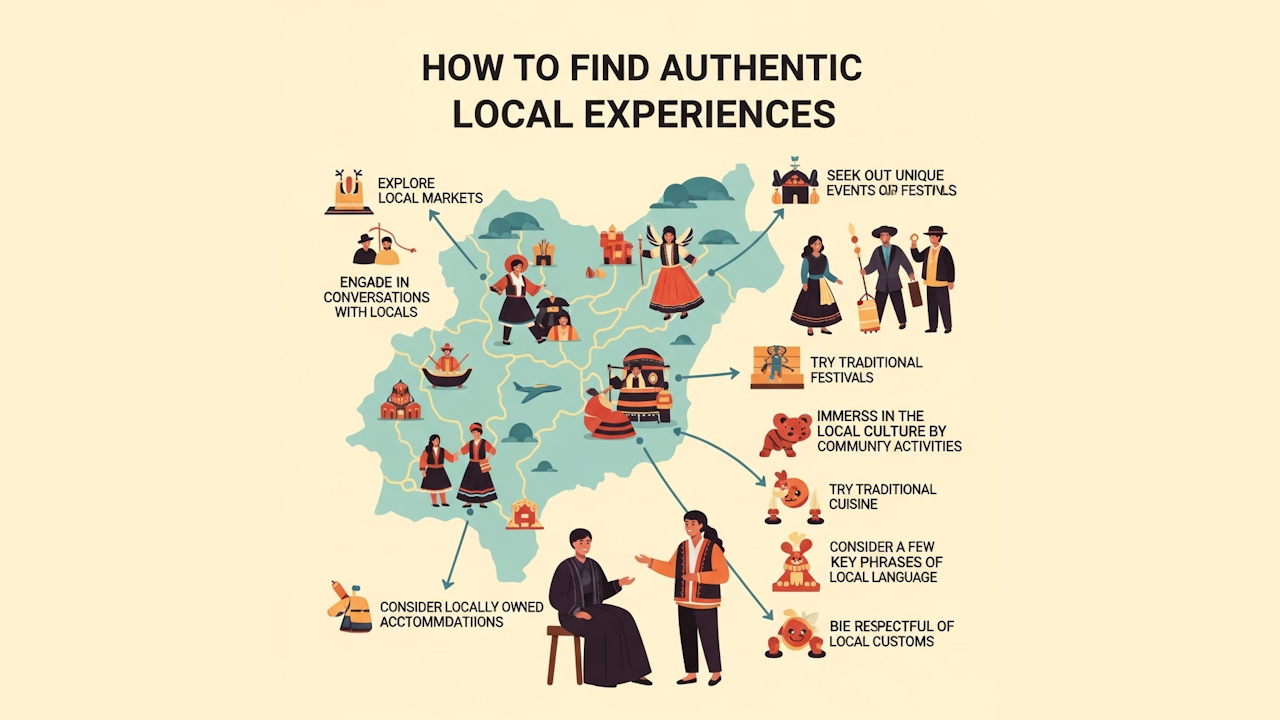
Travel has never been easier or more accessible than it is today. With budget airlines, online booking platforms, and instant translation tools at our fingertips, millions of people explore the world every year. Yet this very convenience often leads to a common frustration: the sense that every destination feels packaged, predictable, and strangely similar to the last one. Crowded landmarks, souvenir shops selling identical trinkets, and restaurants serving watered-down versions of local cuisine can leave travelers wondering where the real heart of a place has gone. Authentic local experiences offer a powerful antidote. They provide genuine connections, deeper cultural understanding, and memories that last far beyond a photo on a screen. This guide explains exactly how to seek them out, step by step, whether you are planning a weekend getaway or a months-long journey.
First, clarify what authentic means for you personally. Authenticity is not a universal label; it varies by traveler and destination. For some, it means eating a home-cooked meal prepared by a grandmother in her tiny apartment. For others, it involves hiking a lesser-known trail with a local guide who shares stories passed down through generations. Or it could simply be wandering through a neighborhood market where residents do their weekly shopping rather than a polished tourist bazaar. Before you book any flight or hotel, spend time reflecting on your own definition. Ask yourself what aspects of culture intrigue you most: food, music, history, crafts, daily life, or nature? Write down three specific goals for each trip. When your expectations are clear, you will recognize authentic opportunities more quickly and avoid settling for generic tours that promise “local flavor” but deliver only surface-level entertainment.
Research forms the foundation of every successful search for authenticity. Start well before departure by shifting your sources away from mainstream travel magazines and toward voices that actually live in the destination. Local blogs written by residents often reveal hidden cafes, family-run workshops, and seasonal festivals that guidebooks overlook. Community forums such as Reddit’s country-specific subreddits or language-exchange apps can connect you with people willing to share honest advice. Follow libraries and cultural centers in the target city on social media; many post free or low-cost events open to visitors. Government tourism boards sometimes maintain lists of community-based tourism initiatives that directly benefit residents rather than large corporations. Read books by local authors, both fiction and nonfiction, to absorb the rhythm of daily life and the values that shape it. This background knowledge helps you ask better questions once you arrive and prevents you from falling for experiences designed primarily for foreign wallets.
Technology, used wisely, can become a powerful ally rather than a crutch. Numerous apps now specialize in connecting travelers with everyday locals rather than professional tour operators. Platforms that facilitate shared meals in private homes allow you to taste recipes never found on restaurant menus. Others match visitors with residents for walks through their own neighborhoods, where conversations naturally turn to schools, workplaces, and neighborhood gossip. Public transportation apps combined with neighborhood mapping tools let you plot routes through residential areas instead of hotel districts. Translation apps have improved dramatically; practice simple phrases in advance so you can greet people and express gratitude without relying entirely on screens. Be cautious, however, about over-relying on algorithms that prioritize highly rated or sponsored listings. Cross-check suggestions by searching for the same activity on multiple independent sites and reading recent reviews from travelers who mention specific local interactions.
Once on the ground, adopt a slower pace and a curious mindset. Rushing between famous sights almost guarantees you will miss the subtle details that make a place unique. Choose accommodations in residential neighborhoods rather than central tourist zones. Guesthouses, small inns, or even homestays run by local families often provide breakfast conversations and insider tips unavailable at chain hotels. Use public buses, trams, or shared taxis instead of private transfers; the extra time spent riding alongside commuters offers windows into ordinary routines. Visit markets early in the morning when vendors are setting up and chatting with one another. Strike up conversations by asking open-ended questions about the produce, the weather, or upcoming holidays. Many locals are flattered by genuine interest and will happily recommend a nearby bakery or family-run workshop that no guidebook lists.
Participating in everyday activities alongside residents creates some of the strongest bonds. Sign up for workshops where locals teach traditional crafts, cooking classes held in actual kitchens, or volunteer projects that match your skills with community needs. Language-exchange meetups allow you to trade conversation practice for cultural insights. If you have a hobby such as photography, music, or gardening, look for local clubs or informal gatherings where enthusiasts meet. These settings naturally encourage reciprocity; when you share something about your own background, locals often open up in return. Keep your schedule flexible enough to accept spontaneous invitations. A casual chat at a bus stop can lead to an afternoon spent helping harvest olives or learning a regional card game around a kitchen table.
Recognizing and avoiding tourist traps requires vigilance. Watch for warning signs: areas where every shop sells the same mass-produced items, restaurants with menus translated into ten languages and featuring photos of every dish, or guides who approach you aggressively on the street. Crowds themselves can be a clue; if a location feels overwhelmingly packed with visitors speaking your own language, chances are the experience has been optimized for volume rather than depth. Instead, explore districts where locals actually live, work, and raise families. Walk through suburban parks on weekends, linger at neighborhood cafes during mid-afternoon lulls, and attend religious or cultural ceremonies open to respectful outsiders. When shopping, buy directly from artisans at their workshops or from small cooperatives rather than central markets geared toward foreigners. Paying a fair price to the maker supports the continuation of traditions far more effectively than purchasing a souvenir from a middleman.
Food offers one of the most accessible gateways to authenticity. Skip restaurants located on main squares and seek out establishments where locals form the majority of customers. Street stalls that have operated for decades often serve recipes perfected over generations. Ask market vendors for their favorite places to eat; many will gladly point you toward a relative’s modest eatery around the corner. If you are invited to share a meal in someone’s home, accept graciously and bring a small gift such as fruit or flowers. Observe table manners and portion sizes carefully; these small details reveal much about hospitality norms. Cooking classes taught by home chefs rather than professional instructors usually include stories about family traditions and regional ingredients that elevate the experience beyond simple recipe replication.
Music, dance, and storytelling provide windows into emotional and historical layers that guidebooks rarely capture. Look for small venues where local bands perform for mixed audiences of residents and visitors. Community theaters, poetry readings, and storytelling nights often welcome outsiders who show respect. In many cultures, religious festivals or seasonal celebrations include public elements open to all. Research dates in advance and learn basic etiquette so you can participate without causing offense. Even attending a local sports match or joining a pickup game in a park can reveal competitive spirit, community pride, and social dynamics that formal tours never touch.
Safety and respect must remain constant priorities. Authentic experiences often place you in less tourist-oriented areas where standard precautions still apply. Inform your accommodation host of your plans each day and carry a physical map as backup in case phone service fails. Dress modestly according to local customs, even if the weather is warm. Learn a few key phrases that convey politeness and gratitude; these simple efforts demonstrate respect and frequently open doors that remain closed to those who expect English everywhere. Support the local economy by choosing family-run businesses over international chains whenever possible. If you photograph people, always ask permission first and offer to share the image. These practices not only keep you safer but also ensure that your presence contributes positively rather than extractively.
Budget considerations need not limit authenticity. Many of the richest experiences cost little or nothing. Public parks, free walking routes suggested by neighborhood associations, and community events frequently require only your time and curiosity. Low-cost or free language-exchange sessions, volunteer days, and market visits provide value that far exceeds expensive packaged tours. When you do spend money, direct it toward small operators whose livelihood depends on genuine hospitality rather than volume tourism. Over time, this conscious allocation helps preserve the very authenticity you seek by supporting the people who create it.
Longer stays amplify opportunities dramatically. A single week spent mostly in transit between highlights rarely allows deep connections. Extending your time in one location lets you become a familiar face at the corner bakery, join recurring weekly events, and notice subtle changes in daily rhythms. Housesitting, work-exchange programs, or simply renting an apartment for a month can transform a visit into something closer to temporary residency. The relationships formed during these extended periods often continue through letters, messages, or future visits, turning one trip into an ongoing cultural bridge.
Families, solo travelers, and groups can all adapt these strategies successfully. Parents might involve children in simple market errands or cooking sessions, creating shared memories that teach empathy and curiosity. Solo travelers often find locals more willing to engage when they appear approachable and unhurried. Groups can divide research tasks and pool recommendations, then split up for individual explorations before reconvening to share stories. No matter your travel style, the key remains openness and patience.
Challenges will arise. Language barriers, unexpected cultural differences, or the occasional disappointing interaction can test your resolve. View each obstacle as part of the learning process rather than a failure. Many of the most memorable authentic moments begin with an awkward misunderstanding that eventually dissolves into laughter and mutual understanding. Keep a small notebook to record observations, new words, and reflections; reviewing these entries later reinforces the depth of what you have gained.
Ultimately, the search for authentic local experiences reshapes travel from passive consumption into active participation. It demands effort, humility, and genuine interest, yet it rewards you with stories, friendships, and insights unavailable through any other means. The world remains full of people eager to share their homes, traditions, and daily joys when approached with sincerity. By preparing thoughtfully, moving slowly, engaging respectfully, and supporting local communities directly, you position yourself to discover the living, breathing essence of each destination. Next time you plan a journey, commit to stepping beyond the familiar itinerary. The rewards of truly authentic encounters will enrich not only your trip but also your broader perspective on humanity for years to come.