

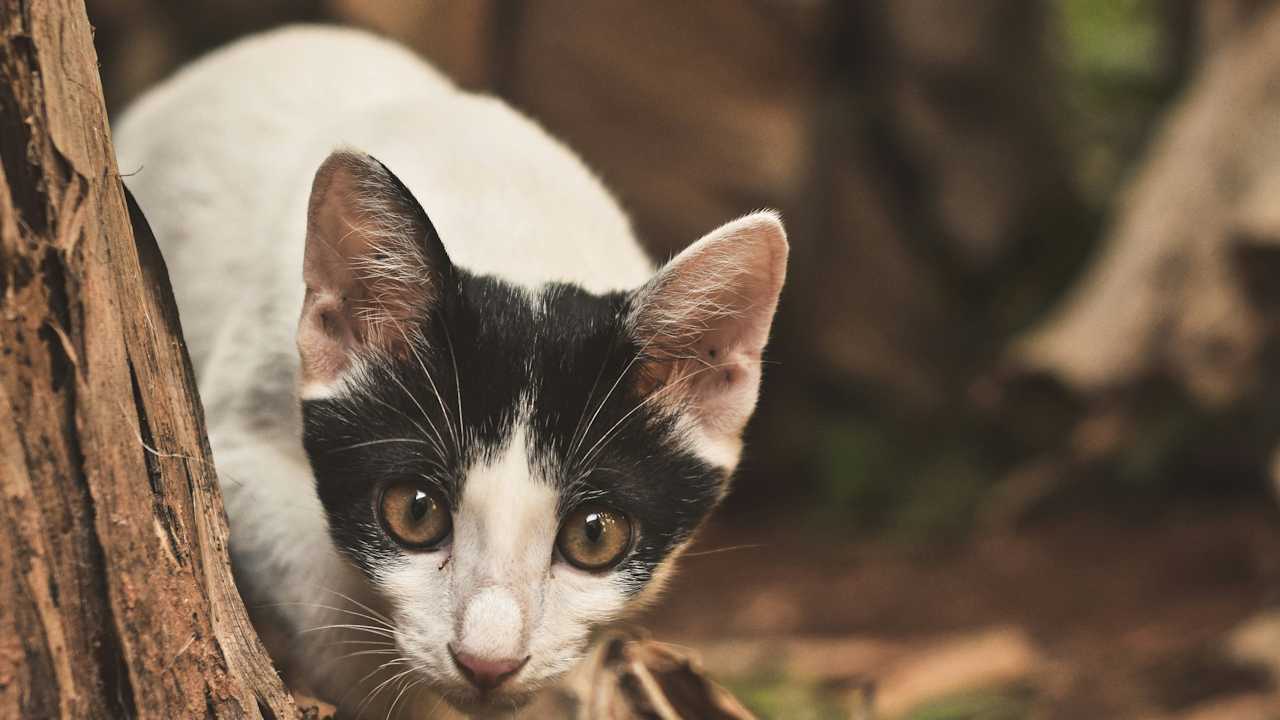
Cats have a reputation for being mysterious, independent, and occasionally downright strange. One minute your feline companion is curled up peacefully on the couch, and the next she is sprinting across the room like a furry tornado or staring intently at a blank wall. These peculiar actions often puzzle even the most devoted cat owners. The good news is that most of these behaviors have logical explanations rooted in instinct, communication, health, or simple feline logic. By learning to interpret them correctly, you can respond more effectively, reduce stress for both of you, and build a deeper, more trusting relationship. This guide breaks down the most common weird behaviors, explains the science and instincts behind them, and offers practical tips for handling each one.
Start with kneading, often called making biscuits. Your cat rhythmically pushes her front paws into your lap, a blanket, or your stomach while purring contentedly. This habit traces back to kittenhood. When nursing, kittens knead their mother’s belly to stimulate milk flow. In adult cats the motion persists as a sign of comfort and security. It also serves a practical purpose: the pads on their paws have scent glands, so kneading deposits their personal aroma and marks the surface as safe and familiar territory. Some cats drool during the process because it triggers the same relaxed nursing reflex.
If your cat kneads too vigorously and uses claws, trim her nails regularly or place a thick towel between you and her paws. Never punish the behavior, as it signals deep contentment. Instead, redirect her to a soft blanket or provide a dedicated kneading pillow. Kneading rarely indicates a problem unless it suddenly becomes excessive or painful for the cat, in which case a veterinary check for joint discomfort is wise.
Next consider the zoomies, those explosive bursts of energy where your cat races around the house at top speed, often in the evening or after using the litter box. Zoomies, technically called frenetic random activity periods or FRAPs, are perfectly normal. Cats are crepuscular animals, most active at dawn and dusk. Domestic life compresses their natural hunting energy into short, intense outbursts. A full stomach or empty bladder can also trigger the release because the body suddenly feels lighter or relieved. Indoor cats especially need these moments to burn off pent-up energy that wild cats expend on stalking prey.
To manage zoomies without chaos, schedule daily play sessions with interactive toys that mimic hunting: feather wands, laser pointers (used sparingly to avoid frustration), or balls that roll unpredictably. A tired cat is a calmer cat. If zoomies happen at 3 a.m. and disturb your sleep, tire her out with a vigorous play session right before bedtime and offer a late-night meal. Persistent, frantic zoomies accompanied by aggression or vocal distress may point to anxiety or hyperthyroidism, so consult a vet if the pattern changes dramatically.
Chattering or chirping at birds, squirrels, or even bugs through the window is another classic. The cat’s jaw vibrates rapidly while she makes a high-pitched clicking sound. Scientists believe this mimics the killing bite used on prey; the motion helps adjust the jaw muscles for a precise neck snap. Others theorize it expresses frustration at being unable to reach the target, or even excitement mixed with predatory anticipation. The sound may also imitate bird calls to lure prey closer, though that theory remains debated.
Whatever the exact reason, chattering shows your cat’s hunting drive is alive and well. It is harmless and entertaining. To enrich her life, install a window perch or bird feeder outside a favorite viewing spot. For apartment cats, interactive toys that simulate bird flight can satisfy the instinct indoors. If chattering turns into obsessive staring or stress vocalizations, it could signal boredom or territorial anxiety; rotating toys and adding vertical space usually helps.
Gift-giving ranks high on the list of behaviors that surprise owners. Your cat proudly drops a dead mouse, bird, or half-eaten toy at your feet, sometimes meowing proudly. In the wild, mother cats teach kittens to hunt by bringing back prey. Even spayed or neutered house cats retain this instinct. When your cat presents a “gift,” she treats you as family and wants to share her success. She may also be trying to teach you to hunt or simply showing affection by providing for the group.
Thank her calmly without scolding; negative reactions can confuse or stress her. Dispose of real prey discreetly while praising her hunting skill in a gentle voice. To redirect the instinct, offer wand toys or puzzle feeders that let her “catch” and “kill” something satisfying. If she brings live animals inside repeatedly, seal entry points and consider a bell on her collar to give wildlife a warning.
Head-butting, also known as bunting, involves your cat pressing her forehead or cheek against your leg, hand, or face. Cats have scent glands on their heads, cheeks, and chins. When she bunts you, she is marking you with her pheromones, claiming you as part of her colony and declaring you safe. It is one of the clearest signs of trust and ownership. Cats also bunt furniture or doorways to create a familiar scent map of their environment.
Return the gesture by offering a slow blink or gently scratching her cheeks; this reinforces the bond. If bunting becomes excessive or she rubs aggressively against new objects after a household change, she may be trying to reestablish security. Provide extra vertical territory or a pheromone diffuser like Feliway to ease transitions.
The obsession with boxes and small enclosures never fails to amuse. Your cat will squeeze into a shoebox, ignore her expensive bed, and sleep in a cardboard fortress. This behavior stems from two instincts: security and warmth. Tight spaces mimic the dens or burrows wild cats use to hide from predators and ambush prey. Cardboard also retains body heat and provides a tactile texture that feels comforting.
Rather than fighting the habit, lean into it. Rotate safe boxes of different sizes, cut peepholes, and add toys inside to create enrichment. Avoid plastic bags or boxes with staples that could injure her. If your cat hides in boxes during thunderstorms or visitors, respect her need for a safe zone and place one in a quiet room.
Knocking objects off tables or shelves is both frustrating and common. Cats do not do this out of spite. Their paws are highly sensitive, and they use them to explore textures and test gravity. Many objects make interesting sounds or movements when they fall, providing entertainment and mental stimulation. It can also be a bid for attention; your startled reaction is rewarding.
To minimize damage, secure breakables, use sticky tape on surfaces (cats dislike the feel), or offer alternative toys that roll or make noise safely. Schedule short daily training sessions with clicker and treats to teach “leave it.” Never yell; attention-seeking will only increase.
The belly trap is legendary. Your cat rolls onto her back, exposing her soft underside and purring invitingly. You reach down for a rub, and suddenly claws and teeth engage. This is not betrayal. The belly is the most vulnerable area, protected by strong hind legs designed for defense. Showing it means she feels completely safe with you, but instinct still triggers a defensive reflex when touched there. Some cats enjoy brief belly rubs if introduced slowly from kittenhood, but most prefer chin or cheek scratches.
Respect the signal by admiring from afar or petting only the head and sides unless she explicitly invites more. Over time, consistent gentle handling can desensitize some cats, but forcing contact damages trust.
Staring at walls or ceilings for long periods looks eerie, as if your cat sees ghosts. In most cases she is simply tracking sounds or movements too faint for human ears. Cats hear frequencies up to 64 kHz, far beyond our range, and detect tiny air currents or insects crawling inside walls. Occasionally the behavior signals partial seizures or cognitive issues in senior cats, so monitor for other symptoms like disorientation or sudden aggression.
Provide mental stimulation with puzzle toys and window views to keep her mind occupied. If staring becomes compulsive or she vocalizes at nothing, schedule a veterinary neurological exam.
Purring is usually associated with happiness, yet cats also purr when injured, stressed, or in labor. The vibration frequency, around 25-150 Hz, promotes healing by stimulating bone growth and reducing pain. It may also self-soothe during anxiety or act as a non-threatening signal to other animals. Listen to context: relaxed posture and half-closed eyes mean contentment. Rigid body, tucked tail, or labored breathing paired with purring warrants immediate veterinary attention.
Tail language offers a rich vocabulary. A high, quivering tail signals friendly greeting. A low, tucked tail shows fear or submission. Rapid side-to-side swishing indicates irritation, while a puffed-up bottle-brush tail means extreme fear or aggression. The slow, deliberate tail flick while staring at you often precedes a swat or bite; it is a clear warning to back off.
Learn your individual cat’s tail cues through observation. Videoing interactions can help you spot patterns. Never approach a cat with a puffed or thrashing tail.
Excessive grooming or licking you obsessively can signal either affection or a medical issue. Cats spend up to half their waking hours grooming to distribute natural oils and remove parasites. Over-grooming that creates bald patches often points to stress, allergies, or pain. Licking your skin transfers your scent to her and yours to her, strengthening the social bond. If she grooms you gently and stops when you move away, it is love. If she licks to the point of raw skin or ignores redirection, consult a vet to rule out skin conditions or anxiety.
Weird sleeping positions, such as draping across a chair arm or squeezing into a tiny basket, combine flexibility and security. Cats sleep up to 16 hours daily to conserve energy for hunting. Contorted postures keep them warm, protect vital organs, or allow quick escape. As long as she wakes alert and moves normally, these positions are fine. Sudden changes in sleep habits or excessive lethargy may indicate illness.
Senior cats sometimes develop cognitive dysfunction that mimics some of these behaviors, such as staring, vocalizing at night, or forgetting litter box habits. Regular wellness exams catch problems early. Spaying or neutering reduces certain behaviors like spraying or roaming but does not eliminate instincts entirely.
To decode any behavior effectively, observe the full context: body language, time of day, recent changes, and accompanying sounds. Keep a simple journal noting triggers and outcomes. Provide environmental enrichment: scratching posts, climbing trees, puzzle feeders, and safe outdoor enclosures for indoor cats. Consistency in routine reduces stress-induced quirks.
Most weird behaviors are normal expressions of a healthy cat adapting to domestic life. They reflect intelligence, playfulness, and deep instincts that have survived thousands of years. By understanding rather than judging these habits, you transform confusion into connection. Your cat is not broken or malicious; she is simply communicating in the only language she knows. Pay attention, respond with patience and enrichment, and you will discover that those quirky moments are actually invitations to a richer relationship. The more you decode, the more your cat will trust you to understand her world.