

Creating a cozy living space does not require a large income or expensive designer pieces. With thoughtful planning and a focus on small changes, anyone can transform a room into a warm, inviting retreat that feels personal and comfortable. The key lies in prioritizing comfort over perfection, using items that serve multiple purposes, and sourcing materials creatively. This approach not only saves money but also encourages creativity and resourcefulness. Whether you live in a tiny apartment or a modest house, these strategies will help you build layers of comfort without overspending.
Begin by assessing what you already own. Many people overlook the potential in their current belongings. Take an inventory of furniture, fabrics, and accessories scattered throughout your home. This step costs nothing and often reveals hidden treasures. For instance, an old blanket stored in a closet can become a stylish throw once washed and folded neatly. The process also helps identify gaps, such as a lack of soft lighting or storage solutions, so you can target future purchases more effectively.
Decluttering forms the foundation of any cozy space. A cluttered room feels chaotic and stressful, while an organized one invites relaxation. Start small by tackling one corner or surface at a time. Sort items into keep, donate, and trash piles. Use free or low-cost storage solutions like cardboard boxes covered with fabric remnants or repurposed baskets from garage sales. Once surfaces are clear, the room immediately feels larger and calmer. Add inexpensive shelf liners or drawer organizers purchased during sales to maintain order. This step alone can make your living area feel twice as welcoming without spending a dime.
Lighting plays a crucial role in setting a cozy mood. Harsh overhead lights create a sterile atmosphere, but softer options encourage winding down after a long day. Avoid buying new fixtures by repositioning what you have. Move a floor lamp from a bedroom into the living room or angle a table lamp to bounce light off walls. String lights, often available for under ten dollars at discount stores, add instant warmth when draped along shelves or around windows. Shop for secondhand lamps at thrift stores and swap out plain bulbs for warm-toned LED versions that last longer and cost less over time. Layering different light sources, such as a mix of ambient and task lighting, allows you to adjust the mood easily throughout the day or evening.
Textiles bring softness and depth to any room on a tight budget. Focus on items that add texture and color without requiring major investments. Thrift stores and online marketplaces frequently offer affordable throws, pillows, and rugs. Look for natural fibers like cotton or wool that feel luxurious yet durable. If new purchases are necessary, wait for seasonal sales at big-box retailers or fabric stores. Create your own pillows by stuffing old cases with spare clothing or foam scraps. Layer a thin rug over an existing carpet to define a seating area or add visual interest. Drape a large scarf or curtain panel over a plain sofa back for an instant upgrade. These layers trap warmth and make furniture feel more substantial and inviting.
A thoughtful color palette ties everything together and enhances the sense of coziness. Stick to warm neutrals such as beige, soft gray, cream, and earthy tones. These shades reflect light gently and create a serene backdrop. If painting is an option, choose sample sizes of paint rather than full gallons to test colors on small wall sections first. Many hardware stores sell leftover paint at reduced prices. For renters or those who prefer no-commitment changes, use removable wallpaper samples or fabric panels hung with tension rods. Incorporate accent colors through pillows or artwork in deeper shades like terracotta or forest green. These small pops of color add personality while keeping the overall scheme calming and budget-friendly.
Furniture selection demands creativity when funds are limited. Instead of chasing trendy new sets, seek out solid pieces that can be refreshed. Thrift stores, yard sales, and community swap groups often yield sturdy tables, chairs, and sofas at fractions of retail cost. Sand and repaint a worn coffee table or reupholster chair seats with remnant fabric secured by a staple gun. Repurpose items from other rooms, such as using a dining chair as a side table or a bookshelf as a room divider. Multi-functional furniture maximizes space and value. A storage ottoman serves as both seating and a place to hide blankets. Build simple shelves from reclaimed wood and brackets found at hardware clearance sections. These choices ensure every piece earns its keep while contributing to a collected, lived-in feel.
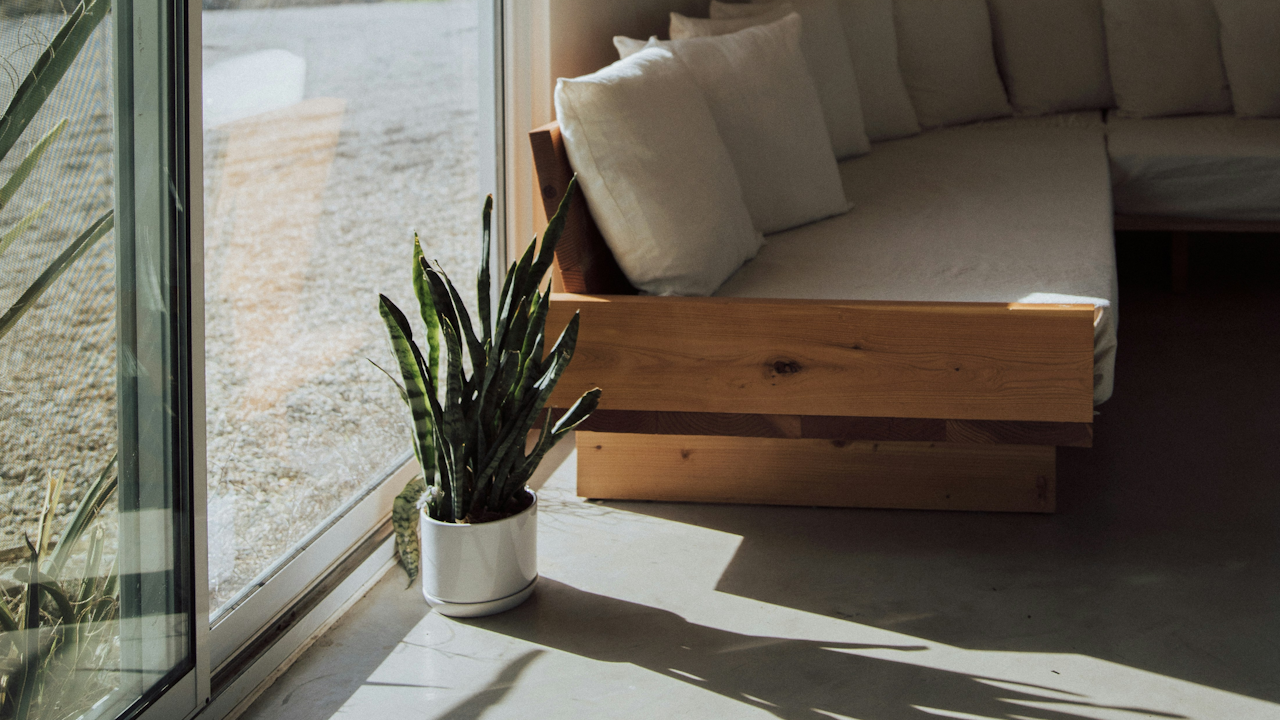
Greenery instantly softens a space and improves air quality, yet many assume plants are costly. Start with easy-to-propagate varieties like pothos, snake plants, or spider plants that grow quickly from cuttings shared by friends or found online for free. Thrift stores sometimes stock ceramic pots that can be cleaned and painted with leftover craft supplies. Group several small plants on a windowsill or create a vertical display using hanging planters made from recycled jars. If natural light is scarce, choose artificial plants that mimic real ones; high-quality versions now look remarkably lifelike and require no maintenance. The presence of living elements brings a sense of calm and connection to nature that no amount of money can replicate when done thoughtfully.
Personal touches make a house feel like a true home. Frame favorite photos or prints using inexpensive frames from dollar stores. Create gallery walls by arranging pieces in odd numbers and mixing sizes for visual interest. Books stacked horizontally on tables or shelves add color and texture while serving as conversation starters. If you enjoy reading, visit library book sales for affordable hardcovers that double as decor. Handwritten quotes or pressed flowers under glass create meaningful accents. Display collected items such as stones from family vacations or vintage dishes in open shelving. These elements reflect your personality and turn generic spaces into deeply personal sanctuaries.
DIY projects offer endless opportunities to customize without high costs. Simple no-sew curtains can be fashioned from bedsheets hung on tension rods. Paint plain glass jars in metallic shades to hold candles or small plants. Upcycle wooden crates into side tables or magazine racks by sanding and staining them with affordable wood conditioner. Create custom artwork by stretching fabric over canvas frames or painting abstract designs on poster board. Online tutorials provide step-by-step guidance for most projects, and many require only basic tools already present in most households. The satisfaction of making something yourself adds emotional warmth that store-bought items rarely match.
Scent and sound further enhance coziness on a budget. Candles and diffusers made with essential oils create inviting aromas without expensive home fragrance systems. Simmer citrus peels and spices on the stove for a natural alternative during colder months. For sound, a small speaker connected to a free music app can fill the room with gentle playlists. Soft instrumental tracks or nature sounds promote relaxation at the end of the day. These sensory details complete the atmosphere and make the space feel complete.
Even in small living areas, these principles apply with minor adjustments. Use mirrors to reflect light and create the illusion of more space. Vertical storage keeps floors clear and maintains an open feel. Choose furniture scaled to the room, such as narrow consoles instead of bulky dressers. Multi-purpose items become essential here, proving that cozy comfort is possible regardless of square footage.
Maintenance keeps the cozy factor alive over time. Regularly rotate textiles and rearrange small decor pieces to refresh the look without new purchases. Wash throws and pillows seasonally to keep them fresh. Touch up paint on walls or furniture as needed using small sample pots. These habits ensure the space continues to evolve with your needs while remaining inviting year after year.
In the end, a cozy living space emerges from intention rather than expense. By focusing on comfort, layers, and personal meaning, you craft an environment that supports daily life and welcomes rest. The process itself often becomes rewarding, teaching patience and creativity along the way. Start with one or two changes today, and watch how quickly your home transforms into the sanctuary you have always wanted. With these practical steps, budget limitations become opportunities for unique style rather than obstacles to comfort.