

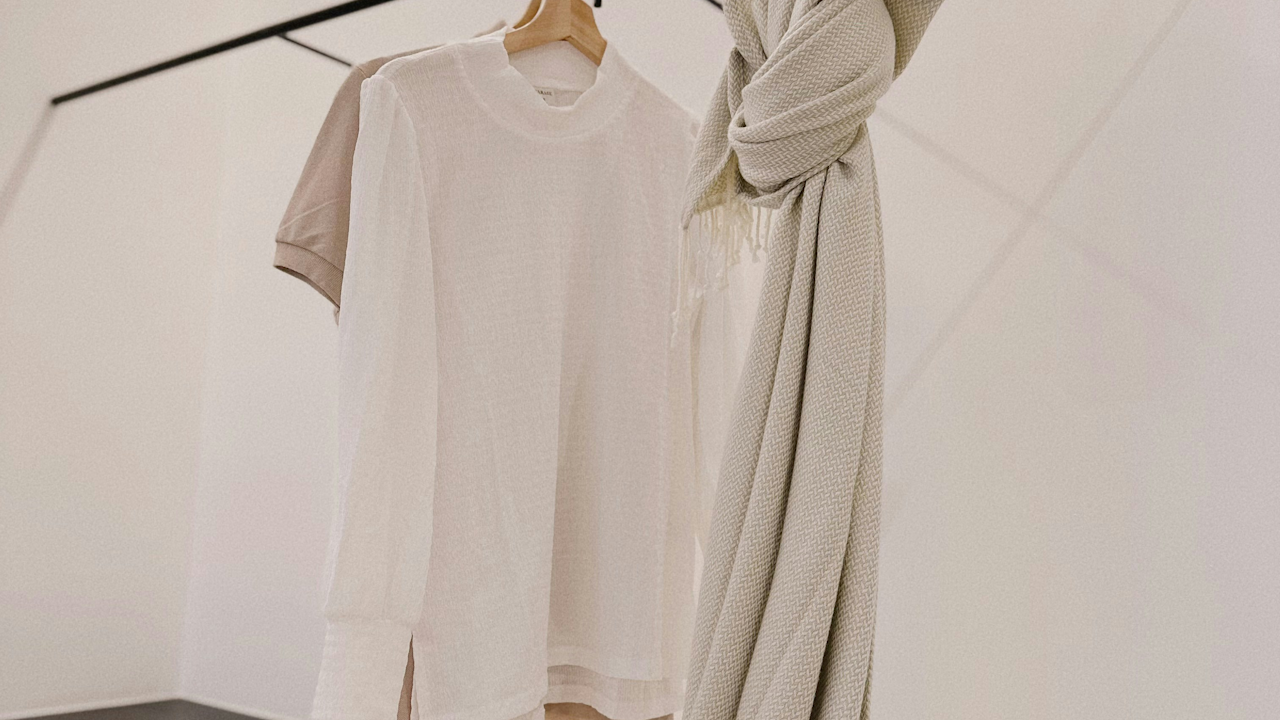
A minimalist wardrobe strips away excess to focus on pieces that truly serve you. It is not about owning the fewest clothes possible or adopting a uniform of black basics. Instead it emphasizes quality, versatility, and intention. By curating a smaller collection you reduce decision fatigue each morning, cut down on impulse purchases, save money over time, and lessen your environmental footprint. Many people who switch to this approach report feeling lighter, more confident in their style, and freer to focus on experiences rather than possessions.
The process takes time and honest self-reflection, but the rewards compound quickly. You will learn what flatters your body, fits your lifestyle, and withstands repeated wear. This guide walks through every stage in detail so you can build a wardrobe that feels personal yet streamlined. Follow the steps in order or adapt them to your pace. The key is consistency and patience.
Start by evaluating what you already own
Before buying anything new, examine your current closet. Empty every drawer, shelf, and rack. Lay every item on your bed or floor. This visual inventory reveals patterns you might have missed while rushing through mornings.
Sort items into three piles: keep, maybe, and donate or sell. Be ruthless with the keep pile. Ask yourself four questions for each piece. Does it fit comfortably right now? Have I worn it in the past year? Does it match at least three other items I own? Would I buy it again today at full price? If the answer to any question is no, move it out of the keep pile.
The maybe pile deserves a second look after a week or two. Store those pieces in a separate box. If you do not reach for them within thirty days, release them. This cooling-off period prevents emotional attachments from clouding judgment.
While sorting, note common issues. Are there ten similar black T-shirts but only two you actually wear? Are your work clothes formal while your social life is casual? These imbalances show where your wardrobe fails to support real life. Write down the gaps you discover. You will use this list later when deciding what to add.
Many people feel overwhelmed at this stage. That is normal. The volume of clothing accumulated over years can shock you. Remember that releasing unused items creates space for clarity. Sell high-quality pieces on resale platforms to fund future purchases. Donate the rest to local charities or textile recycling programs. Either way, the items leave your home and stop taking up mental energy.
Define your lifestyle and personal style
A minimalist wardrobe succeeds only when it matches how you actually live. Spend time observing your daily routines. Track one typical week and note every outfit you wear. Which activities dominate your schedule? Office meetings, remote work, gym sessions, weekend hikes, evening dinners, or travel? Each category needs representation without overlap.
Next, identify your style preferences. Look through old photos of outfits you loved. Browse magazines or online mood boards without shopping intent. Notice recurring elements: clean lines, soft textures, bold colors, or neutral tones. Do you feel most confident in tailored pieces or relaxed silhouettes? Do certain fabrics make you feel polished or drained? Write a short style statement. Mine might read, “I wear structured yet comfortable neutrals that transition from meetings to dinner.” Keep it specific enough to guide choices but flexible enough to evolve.
Consider your body shape, climate, and color preferences during this step. A minimalist wardrobe does not require a rigid capsule formula. It simply requires clothes that make sense together and for you. If you live in a cold climate, prioritize layers that mix and match. If your job demands uniforms, focus on high-quality basics that meet dress codes while expressing personality through subtle details.
Choose a limited color palette
Color is one of the easiest ways to create cohesion. A narrow palette makes every piece interchangeable. Most minimalist wardrobes work within eight to twelve colors total. Start with three to five neutrals as your foundation. Common choices include black, white, navy, gray, beige, olive, or camel. These anchor everything else.
Add two to four accent colors that reflect your personality and skin tone. If you love deep jewel tones, choose emerald, burgundy, or mustard. If soft pastels suit you better, select blush, sage, or powder blue. The goal is harmony rather than strict rules. Test combinations by laying pieces side by side on the floor. If two items clash, one probably needs to go.
Seasonal adjustments matter. In warmer months you might lean toward lighter neutrals and brighter accents. In colder months darker bases and richer tones feel more practical. Many people maintain a year-round palette with lightweight and heavier versions of the same hues. This approach prevents seasonal shopping sprees and keeps the closet functional twelve months a year.
Document your palette with a simple reference card or phone note. Include fabric swatches if possible. When shopping, pull out the reference before buying. This single habit prevents color mistakes that break the minimalist flow.
Focus on versatile core pieces
Every minimalist wardrobe rests on foundational items that work in multiple combinations. Build these first. A well-chosen core lets you create dozens of outfits from fewer than twenty pieces.
Begin with tops. Select T-shirts or tanks in neutral colors that layer easily. Add button-down shirts for structure. Include one or two blouses or sweaters that dress up or down. Choose necklines and sleeve lengths that flatter your proportions and suit your climate.
For bottoms, invest in two pairs of well-fitting jeans or trousers in different washes or cuts. Add a skirt or dress that transitions from day to evening. Leggings or joggers work if your lifestyle is active, but select polished versions rather than loungewear.
Outer layers matter more than most people realize. A tailored blazer instantly elevates basics. A trench coat or denim jacket provides weather protection and style. A cardigan or lightweight sweater offers layering options without bulk.
Footwear should stay minimal too. Choose two pairs of everyday shoes that match your palette. One pair of sneakers or loafers for casual days and one pair of boots or dress shoes for polished looks. Add sandals or flats for warmer weather if needed. Quality matters here because shoes receive heavy wear.
Accessories tie everything together without adding clutter. Limit jewelry to a few favorite pieces you wear daily. A leather belt, simple scarf, and one versatile bag complete the picture. Choose items that coordinate with multiple outfits rather than statement pieces that demand attention.
The exact list varies by person. A parent chasing toddlers might prioritize machine-washable knits and comfortable flats. A professional in meetings might emphasize tailored trousers and blouses. The principle remains the same: every piece earns its place by working hard across situations.
Emphasize quality over quantity
Minimalism rewards investing in fewer, better items. Cheap fast-fashion pieces fade, pill, or lose shape after a few washes. Higher-quality garments last years and look better with age. The initial cost feels higher, but the long-term savings are substantial.
Learn to recognize quality construction. Check seams for straight, even stitching. Look for reinforced stress points. Natural fibers like cotton, wool, linen, and silk breathe and age gracefully. Blends can offer durability and easy care. Avoid fabrics that feel thin or scratchy.
Research brands known for ethical production and timeless designs. Many independent labels focus on capsule collections with limited runs. Department stores and resale sites carry classic pieces from established names. Secondhand options often provide the best value for premium materials at lower prices.
Fit is part of quality. Even the most expensive item fails if it does not flatter your body. Tailoring makes a surprising difference. A few dollars spent adjusting hems or darts transforms off-the-rack pieces into custom-like garments. Prioritize fit over trends every time.
Buy with the “one in, one out” rule once your core is established. Adding a new sweater means releasing an old one. This discipline keeps numbers steady and forces intentional choices.
Declutter and organize for daily ease
After deciding what stays, organize the space to support minimal habits. Use the one-third rule for closet real estate: leave one-third empty. This breathing room prevents overcrowding and reminds you that space itself is valuable.
Arrange items by category and color. Hang tops together, then pants, then dresses. Fold knits neatly on shelves. Place shoes on a rack at eye level. Small drawers or bins can hold underwear, socks, and accessories. The goal is visual calm so you can see every option at a glance.
Adopt a capsule rotation system if your lifestyle changes seasonally. Store off-season clothes in vacuum bags or clear bins labeled clearly. Review them twice a year when switching. This habit naturally prompts another round of editing.
Create a small “uniform” area for go-to outfits. Keep three complete looks ready for busy mornings. Knowing these combinations exist reduces stress on hectic days.
Build gradually and test in real life
Resist the urge to overhaul everything at once. Start with a thirty-day challenge. Wear only the pieces you have kept. Document daily outfits with quick phone photos. Note what combinations worked and which gaps felt obvious. This real-world testing reveals true needs better than any theory.
After thirty days, add one or two missing pieces. Choose versatile staples first. Wear the new item at least five times before buying anything else. This trial period confirms whether it earns a permanent spot.
Set a budget for each addition. Calculate cost per wear over expected lifespan. A seventy-dollar sweater worn fifty times costs far less per use than a twenty-dollar shirt worn five times. This math keeps spending disciplined.
Many people follow structured frameworks during the building phase. Project 333 limits a wardrobe to thirty-three items for three months. The 10×10 challenge creates ten outfits from ten pieces in ten days. These experiments teach creativity within constraints and accelerate learning.
Maintain the wardrobe with simple habits
A minimalist wardrobe requires ongoing care to stay functional. Develop a weekly routine. Check for stains, loose threads, or missing buttons. Spot-clean immediately. Launder items according to care labels to extend life.
Rotate pieces evenly so nothing wears out prematurely. Hang garments on wooden or padded hangers to preserve shape. Fold heavy knits to avoid stretching.
Seasonal audits keep the collection current. Try everything on twice a year. Body shapes, preferences, and lifestyles shift. An item loved last year may no longer suit you. Release it without guilt.
Shop mindfully year-round. Before adding anything, ask whether it fills a genuine gap or simply sparks temporary excitement. Wait forty-eight hours before purchasing non-essential items. This pause separates wants from needs.
Embrace sustainability as a natural outcome. Fewer purchases mean less waste. High-quality pieces often come from brands with transparent supply chains. Repair, alter, or upcycle before replacing. These practices align minimalism with environmental values.
Overcome common challenges
Some obstacles appear repeatedly. Emotional attachment to sentimental clothing tops the list. Keep one small bin for truly meaningful pieces such as a wedding dress or childhood item. Store it out of daily sight. Everything else must justify daily use.
Fear of boredom worries many beginners. Variety comes from styling, not ownership. Scarves, jewelry swaps, and layering create fresh looks from the same base pieces. Over time you develop signature combinations that feel exciting because they are effortless.
Social pressure can tempt overspending. Friends planning shopping trips or seeing influencer hauls may trigger doubt. Remember that true style confidence radiates from consistency, not constant novelty. Your curated wardrobe will eventually inspire others.
Travel simplifies dramatically with a minimalist approach. One carry-on suitcase holds an entire capsule for two weeks. Mixing and matching reduces packing anxiety and leaves room for souvenirs or new experiences.
Enjoy the freedom minimalist living brings
A completed minimalist wardrobe feels like a personal uniform designed exclusively for your life. Mornings become faster and calmer. Decisions shrink because every option works. Shopping trips turn rare and purposeful. Closet space opens up for other uses or simply stays empty.
The financial savings accumulate quietly. Money once spent on trends redirects toward travel, hobbies, or savings. The environmental impact shrinks as consumption drops. Most importantly, you gain mental space. Clothing no longer competes for attention or defines self-worth.
Start small today. Choose one drawer to edit completely. Notice how the clarity feels. Build from there at your own pace. The wardrobe you create will evolve with you, always supporting rather than complicating daily life. Minimalism in clothing is ultimately about making room for what matters most. When your closet reflects intention instead of accumulation, that freedom extends far beyond fabric and thread.