

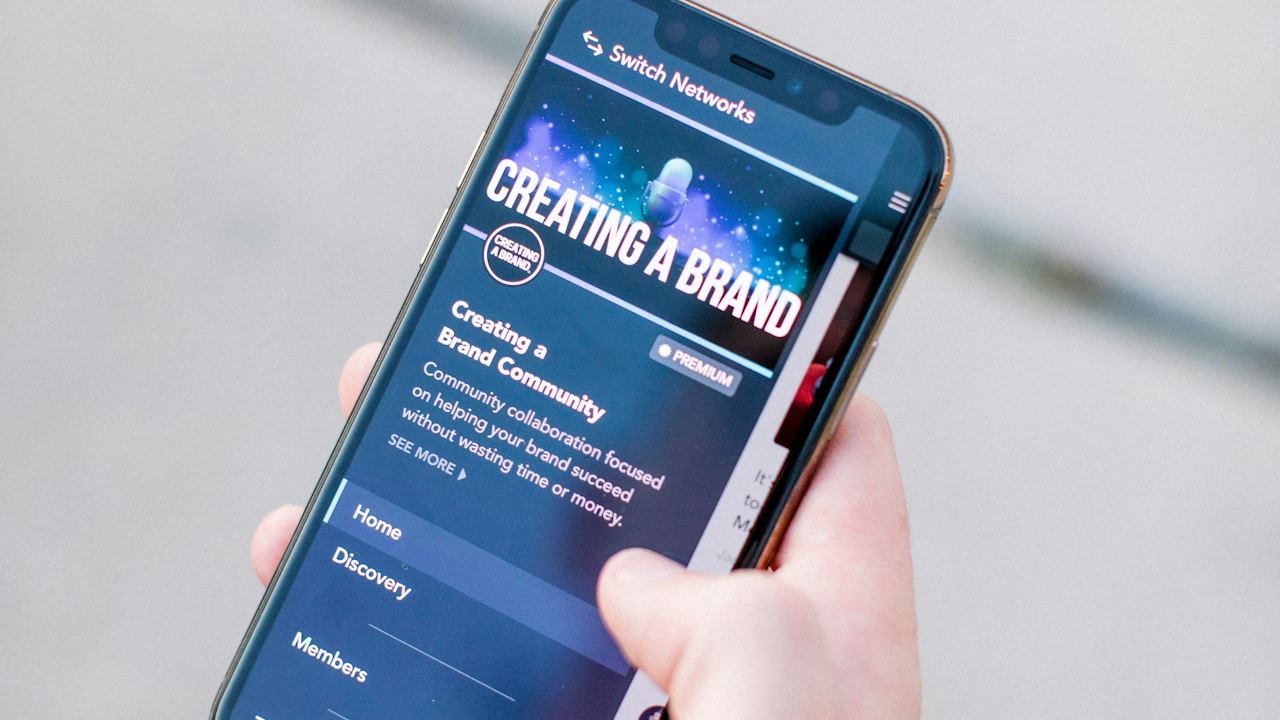
Building a brand from scratch is a rewarding yet demanding process that requires strategic thinking, creativity, and consistent effort. A brand is more than a logo or a name. It is the complete perception that customers hold about your product, service, or business. It encompasses your values, your promise, and the emotional connection you create with your audience. Whether you are launching a new business, a personal venture, or a side project, starting with a solid foundation can set you apart in a crowded market.
This guide provides a detailed, step-by-step approach to building a brand successfully. Each section includes practical advice, examples, and considerations to help you move forward with confidence.
Step 1: Define Your Purpose and Core Values
Every strong brand begins with clarity about its reason for existing. Start by asking fundamental questions: Why does this brand exist? What problem does it solve? What change does it aim to create in the world?
Write a brand purpose statement that is concise and inspiring. For instance, a coffee company might state its purpose as delivering ethically sourced beans that support small farmers while providing a daily moment of joy for customers.
Next, identify your core values. These are the guiding principles that shape decisions. Common values include integrity, innovation, sustainability, or customer-centricity. Limit yourself to three to five values to keep them actionable.
Document these elements in a brand brief. This document serves as your north star. Revisit it often, especially during decision-making moments. Without a clear purpose and values, your brand risks appearing generic or inconsistent.
Step 2: Understand Your Target Audience
A brand cannot appeal to everyone. Successful brands deeply understand their ideal customers. Conduct thorough audience research to build detailed buyer personas.
Gather data through surveys, interviews, social media listening, or analysis of existing market reports. Key details to capture include demographics (age, location, income), psychographics (interests, values, lifestyle), pain points, and aspirations.
For example, if you are building a fitness apparel brand, your primary persona might be a busy professional aged 25 to 40 who values sustainable materials and seeks comfortable clothes for both workouts and daily wear.
Validate your assumptions by testing messaging with real people in your target group. The more specific your understanding, the easier it becomes to craft experiences and communications that resonate.
Step 3: Research the Competition
Analyze existing players in your space to identify opportunities and gaps. Create a competitive matrix that compares features, pricing, marketing approaches, strengths, and weaknesses.
Look beyond direct competitors to include indirect ones and emerging trends. Tools such as online searches, customer reviews, and industry reports provide valuable insights.
Ask yourself: What are competitors doing well? Where do they fall short? How can your brand fill those gaps uniquely? This exercise helps you position your brand distinctly rather than copying what already exists.
Step 4: Develop Your Brand Identity
Brand identity includes visual and verbal elements that make your brand recognizable.
Naming: Choose a name that is memorable, easy to pronounce, and available as a domain and across social media platforms. Consider checking trademarks early. Options include invented words, descriptive names, or founder names. Test the name with potential customers for positive associations.
Visual Elements: Design a logo, color palette, typography, and imagery style that reflect your values. Colors evoke emotions: blue suggests trust, green implies freshness or sustainability. Maintain a cohesive style guide that specifies usage rules for all assets.
Voice and Tone: Define how your brand communicates. Is it professional, friendly, witty, or authoritative? Create guidelines for writing that ensure consistency across emails, social posts, and packaging.
Document everything in a brand style guide. This living document prevents drift as your team or collaborators grow.
Step 5: Craft Your Brand Story and Messaging
People connect with stories more than facts. Develop a compelling narrative that explains your origins, challenges overcome, and vision for the future.
Key messaging pillars might include:
- Your unique value proposition
- Benefits rather than just features
- Emotional appeals tied to your values
Create a messaging framework with core headlines, taglines, and talking points for different contexts. For instance, a sustainable fashion brand could emphasize “Timeless style that respects the planet” across campaigns.
Test messages for clarity and impact. Refine them based on feedback before full rollout.
Step 6: Build Your Online Foundation
In today’s digital world, your online presence is often the first interaction customers have with your brand.
Website: Invest in a professional website that loads quickly, is mobile-friendly, and clearly communicates your value. Include an about page, product or service details, testimonials, and easy contact options. Optimize for search engines from the start with relevant keywords and quality content.
Social Media Profiles: Claim handles on major platforms where your audience spends time. Create consistent profiles with your brand visuals and bio that reinforce your positioning.
Email System: Set up a professional email address and begin building an email list early. Tools for automation can help nurture leads over time.
Ensure all touchpoints align with your brand identity for a seamless experience.
Step 7: Create a Content Strategy
Content builds awareness, trust, and authority. Develop a strategy that delivers value to your audience while advancing your brand goals.
Identify content types such as blog posts, videos, podcasts, social media updates, or newsletters. Align topics with audience interests and your expertise.
Establish a content calendar to maintain consistency. Focus on quality over quantity. Use storytelling, educational pieces, behind-the-scenes glimpses, and customer spotlights.
Distribute content across owned channels (your website, email) and earned or paid channels. Track performance to understand what resonates and adjust accordingly.
Step 8: Launch Marketing and Promotion Efforts
With foundations in place, focus on getting your brand in front of the right people.
Organic Growth: Leverage social media, content marketing, partnerships, and community engagement. Guest posting, collaborations, and networking can expand reach.
Paid Advertising: Use targeted ads on platforms like search engines or social media. Start small, test different creatives and audiences, then scale successful campaigns.
Public Relations: Reach out to journalists, bloggers, or influencers in your niche. Prepare press kits and compelling stories.
Influencer and Partnership Marketing: Identify individuals or organizations whose audiences align with yours. Authentic collaborations can accelerate credibility.
Track every initiative with clear goals and metrics such as website traffic, engagement rates, or conversion numbers.
Step 9: Ensure Consistency Across All Touchpoints
Consistency builds trust. Every interaction, whether a packaging label, customer service call, or advertisement, should reinforce your brand identity.
Create processes for reviewing new materials against your brand guidelines. Train team members or partners on expectations.
Monitor customer feedback and online mentions to address inconsistencies quickly. Over time, this discipline turns your brand into a reliable and recognizable presence.
Step 10: Measure, Learn, and Iterate
Building a brand is an ongoing process rather than a one-time project. Set key performance indicators (KPIs) relevant to your stage and goals. These might include brand awareness metrics, customer acquisition cost, retention rates, or Net Promoter Score.
Use analytics tools to gather data. Conduct regular reviews to assess what is working and what needs adjustment. Be willing to evolve elements of your brand as you learn more about your audience and market.
Stay attuned to cultural shifts, technological changes, and customer needs. Successful brands adapt while remaining true to their core purpose and values.
Common Challenges and How to Overcome Them
Building a brand from scratch often involves limited resources, especially for solo entrepreneurs or small teams. Prioritize high-impact activities such as audience research and core messaging before investing heavily in visuals or advertising.
Avoid the temptation to chase every trend. Focus on authenticity and sustainable growth. Protect your brand legally by registering trademarks and monitoring for infringements.
Burnout is another risk. Break the process into manageable phases and celebrate small milestones along the way.
Real-World Inspiration
Many iconic brands started small. Consider how companies like Patagonia built loyalty through environmental values or how Slack differentiated itself with a friendly tone in a technical space. Study their journeys for lessons, but adapt strategies to fit your unique context.
Conclusion
Building a brand from scratch demands vision, discipline, and patience. By defining a clear purpose, understanding your audience, creating distinctive identity elements, and maintaining consistency, you lay the groundwork for lasting success.
Remember that your brand is a living entity. It grows through every decision and interaction. Stay committed to delivering on your promises, listening to customers, and evolving thoughtfully.
With focused effort over time, your brand can become a trusted name that stands out and creates meaningful connections. Start today by completing your brand brief and audience research. The foundation you build now will support everything that follows.