

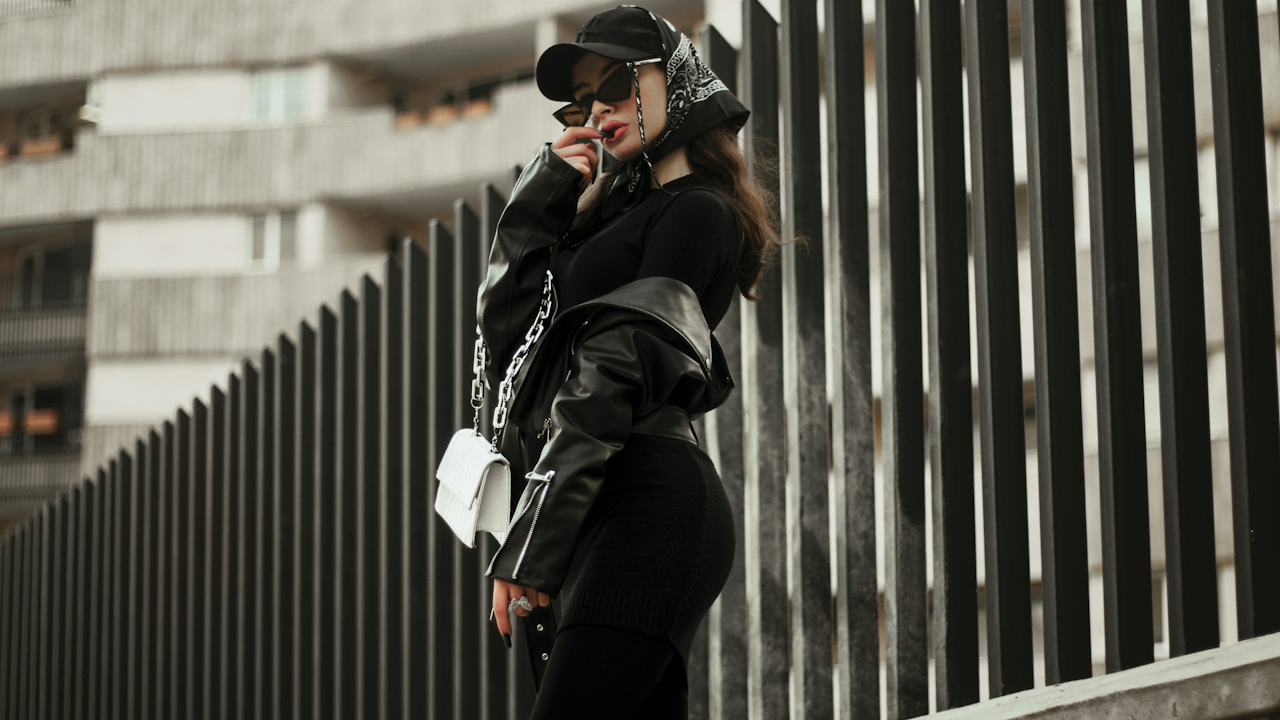
Streetwear started as something raw and unpretentious. It grew out of skate parks, hip-hop blocks, and city sidewalks in the 1970s and 1980s, where young people wore clothes that felt comfortable, durable, and defiant. Oversized T-shirts, hoodies, cargo pants, sneakers, and baseball caps formed the uniform. These items signaled belonging to a subculture rather than any desire to impress runway critics or department-store buyers. High fashion, by contrast, lived in Paris and Milan ateliers. It revolved around tailored suits, evening gowns, and seasonal collections shown to elite editors and wealthy clients. For decades the two worlds stayed separate. Then, slowly at first and then with startling speed, streetwear crossed the divide. It did not simply borrow from luxury; luxury began borrowing back. The result is a fashion landscape where the line between the sidewalk and the catwalk has all but vanished.
The roots trace to California in the early 1980s. Shawn Stussy, a surfboard shaper from Laguna Beach, began printing his handwritten signature on blank T-shirts and caps in 1980. He sold them out of his trunk at surf spots and skate ramps. The look caught on because it matched the easy, rebellious energy of the scene. Stussy expanded into a small retail operation and influenced a handful of other labels. Across the country, in New York, hip-hop culture was doing something similar. Rappers in the Bronx and Brooklyn layered gold chains over tracksuits and oversized jackets. They turned everyday sportswear into status symbols. Brands such as Adidas and Nike found themselves adopted by artists who never appeared in official campaigns yet gave the products cultural weight. Run-DMC’s 1986 song “My Adidas” turned a simple sneaker into a cultural artifact without any corporate marketing push.
By the 1990s the movement had matured into a recognizable industry. James Jebbia opened the first Supreme store on Lafayette Street in Manhattan in 1994. The shop sold skate decks, T-shirts, and caps featuring a simple red-and-white box logo. Supreme drops were limited, creating immediate scarcity. Kids camped overnight. The brand refused traditional advertising and let the streets do the talking. In Los Angeles, brands such as FUBU and Cross Colours spoke directly to Black urban consumers with bright colors and bold graphics. Tommy Hilfiger, a preppy label founded in 1985, noticed the shift. When Snoop Dogg and other rappers began wearing Hilfiger gear on stage and in videos, the company leaned into the moment. Oversized rugby shirts and flag jackets became staples in hip-hop videos. Ralph Lauren’s Polo line followed a parallel path. Its horse-and-rider logo appeared on everything from bucket hats to puffer jackets, worn by inner-city youth who mixed it with Timberland boots and gold chains. Luxury houses watched from afar but did not yet participate.
The early 2000s brought the first serious collaborations. Nike partnered with streetwear figures and released limited sneakers that sold out in minutes. The Dunk Low, originally a basketball shoe, found new life through colorways tied to skate and music scenes. Japanese brands such as BAPE and Neighborhood entered the American market around the same time. Harajuku style, already a vibrant street scene in Tokyo, mixed military surplus, anime graphics, and high-end denim. These imports added another layer of exclusivity. Meanwhile, the internet began to accelerate everything. Early message boards and blogs allowed enthusiasts to trade information about upcoming releases. The term “hypebeast” entered the lexicon, describing collectors obsessed with limited drops. Resale platforms such as eBay and later StockX turned streetwear into an asset class. A Supreme box logo hoodie that retailed for sixty dollars could fetch ten times that amount within hours.
The real tipping point arrived in the mid-2010s. In 2017 Supreme collaborated with Louis Vuitton on a full collection that included trunks, jackets, and accessories stamped with both the LV monogram and the Supreme box logo. The partnership was unveiled in a Paris showroom and generated global headlines. Critics who once dismissed streetwear as disposable suddenly treated it with respect. The collaboration proved that a skate brand could command the same reverence as a 160-year-old French maison. That same year, Virgil Abloh launched Off-White. Trained as an architect and a former creative director for Kanye West’s DONDA agency, Abloh combined industrial zip ties, quotation-mark graphics, and luxury fabrics. His runway shows mixed hip-hop playlists with classical music. In 2018 LVMH appointed Abloh artistic director of menswear at Louis Vuitton. The move stunned traditionalists. Abloh brought streetwear codes—hoodies, cargo pants, graphic tees—into the heritage house and elevated them with premium materials and meticulous tailoring. His debut collection featured a bright orange industrial vest paired with a tailored overcoat. The message was clear: comfort and status could coexist.
Other luxury brands followed quickly. Balenciaga, under Demna Gvasalia, released Triple S sneakers that looked like exaggerated dad shoes yet retailed for nearly a thousand dollars. The brand staged shows in shopping malls and cast regular people alongside models. Gucci under Alessandro Michele mixed vintage-inspired prints with tracksuits and baseball caps. Dior hired Kim Jones, who had previously designed for streetwear-adjacent labels, to lead menswear. Jones introduced a collaboration with Jordan Brand that fused basketball heritage with couture craftsmanship. Even Chanel and Prada began incorporating oversized silhouettes, graphic logos, and technical fabrics once reserved for outerwear brands. The runway no longer felt like a rarefied space. It felt like an extension of the street.
Several forces drove this convergence. The first was celebrity. Kanye West’s Yeezy line, launched in 2015, blurred the boundary between music, fashion, and footwear. His Season 1 presentation in New York featured models in neutral tones and distressed denim walking through an industrial space. Retail prices reached four figures, yet the aesthetic remained rooted in street codes. A$AP Rocky, Travis Scott, and Rihanna became walking billboards for the new hybrid style. Their Instagram posts reached millions instantly. Social media turned fashion into performance art. A single post of a celebrity in a limited hoodie could move more product than a traditional magazine spread ever could. Hype culture rewarded scarcity and storytelling. Brands learned to drop collections without warning, fueling urgency and conversation.
Another driver was economics. The global luxury market faced slowing growth among older consumers. Millennials and Gen Z, raised on street culture, valued authenticity and community over heritage alone. They wanted clothes that looked good in both a boardroom and a music festival. Streetwear delivered that versatility. It also created new revenue streams. Collaborations generated media buzz at low production cost while commanding premium prices. Resale data showed that certain street-luxury pieces appreciated faster than traditional handbags or watches. Investment funds began treating sneakers and limited apparel as alternative assets.
The COVID-19 pandemic in 2020 accelerated the shift further. Lockdowns made formalwear irrelevant for many months. Consumers lived in sweatpants and hoodies. When restrictions lifted, people sought elevated versions of those same comfortable pieces. Luxury houses responded with cashmere sweatshirts priced at two thousand dollars and technical outerwear that could survive both city streets and mountain trails. Athleisure, once a niche category, became mainstream. Brands such as Lululemon and Vuori grew alongside legacy houses that now offered similar silhouettes in finer fabrics.
Not everyone welcomed the change. Some original streetwear devotees complained that the movement had sold out. Supreme, once anti-establishment, now collaborated with corporations and opened flagship stores in high-rent districts. Critics argued that the resale market priced out the very kids who built the culture. Others pointed out that luxury brands cherry-picked surface-level aesthetics without acknowledging the social and political roots of streetwear in communities of color or working-class youth. Yet the genie could not be put back in the bottle. Streetwear had proven its commercial power and cultural relevance.
Today the fusion is complete. Runway shows routinely feature hoodies under tailored blazers, distressed denim with hand-stitched details, and sneakers paired with evening gowns. Young designers launch brands that sit between street and luxury from day one. Rhude, Amiri, and Fear of God offer pieces that retail for thousands yet retain the relaxed fit and graphic sensibility of their skate and hip-hop predecessors. Even traditional tailoring houses have relaxed their silhouettes. A Savile Row suit now often comes with a slightly dropped shoulder and roomier trousers to echo street proportions.
The transformation has also globalized fashion in new ways. South Korean and Chinese streetwear scenes now influence Western runways. Nigerian designers blend Lagos street style with European tailoring. The internet has erased geographic barriers. A teenager in Lagos or Jakarta can watch a live Supreme drop or a Louis Vuitton show in real time and participate in the same conversation.
Looking ahead, the distinction between streetwear and high fashion may continue to erode. Artificial intelligence and digital fashion already allow creators to experiment without physical constraints. Virtual garments worn by avatars in the metaverse borrow heavily from street aesthetics. Physical garments, meanwhile, incorporate smart fabrics that respond to movement or temperature while maintaining the casual look. Sustainability concerns push brands toward recycled materials and limited runs, echoing the scarcity model that defined early streetwear.
What began as a subcultural rebellion has become a dominant force in global fashion. Streetwear did not merely infiltrate high fashion; it redefined the category. It taught an industry that had long prized exclusivity and formality that relevance now comes from accessibility, storytelling, and cultural connection. The clothes on the runway today look a lot like the clothes once worn on the subway or at the skate park. The difference is the price tag and the pedigree. Yet the spirit remains the same: clothes that feel lived-in, that signal identity, and that move with the wearer rather than restrict them. In that sense, the victory of streetwear is not that it conquered high fashion but that it reminded the entire industry what fashion was always supposed to be about—expression, community, and the freedom to move through the world on your own terms.