

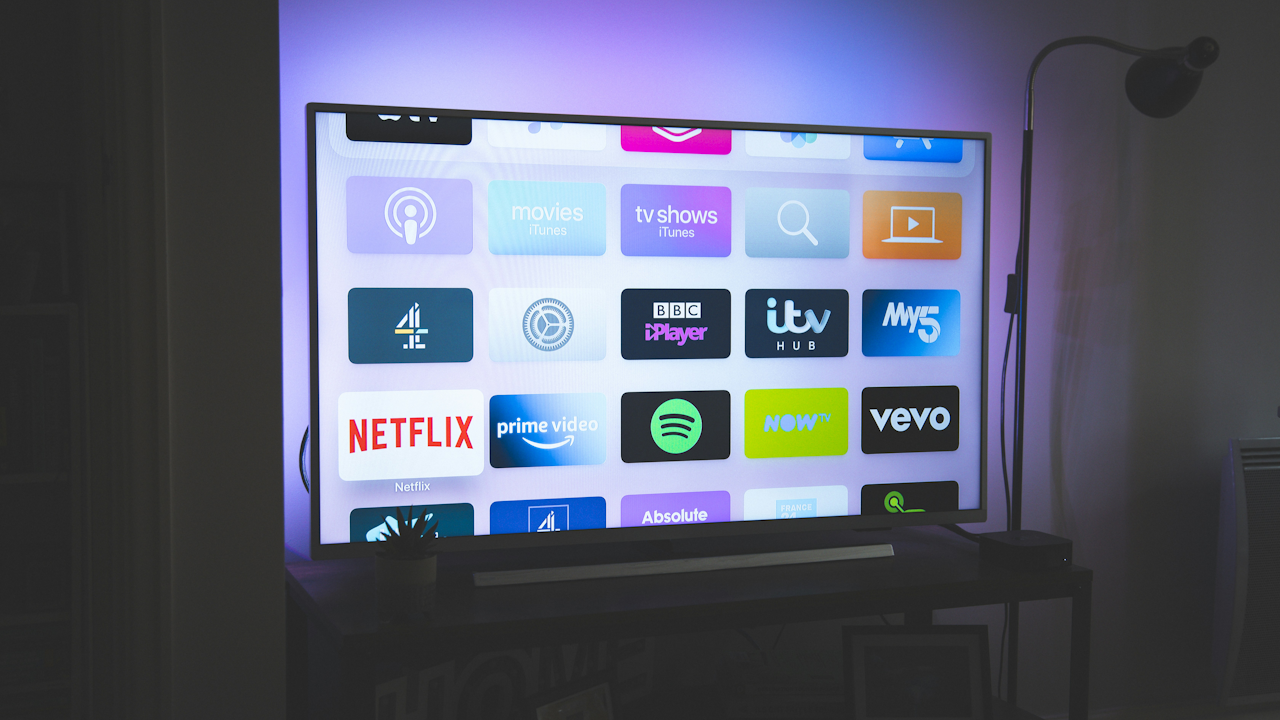
The way people watch television has undergone a profound transformation over the past two decades. What was once a communal activity centered around fixed broadcast schedules and cable lineups has evolved into a highly personalized, on-demand experience dominated by streaming platforms. Services like Netflix, Hulu, Disney+, Amazon Prime Video, and others have reshaped not only viewing habits but also the entire television industry, from content production to cultural conversations. This shift has brought unprecedented convenience and choice while introducing new challenges such as content fragmentation and subscription fatigue.
The Traditional TV Era
For much of the 20th century and into the early 2000s, television viewing followed a predictable pattern. Families gathered around a single set at appointed times to watch network broadcasts or cable channels. Prime time slots dictated when popular shows aired, and viewers had to plan their evenings around the schedule or rely on recording devices like VCRs and later DVRs. Commercials interrupted programs at regular intervals, and channel surfing was a common way to discover new content.
Appointment viewing fostered shared cultural moments. Everyone discussed the latest episode of a hit show the next day at work or school because most people experienced it simultaneously. This model reinforced social bonds but also limited flexibility. Missing an episode meant waiting for reruns or relying on word of mouth. Content libraries were constrained by what networks chose to air, and options for niche interests remained scarce outside major urban areas.
Cable and satellite services expanded choices in the late 20th century, but they came with high costs and rigid bundles. Households paid for hundreds of channels, many of which they never watched. This inefficiency set the stage for disruption.
The Rise of Streaming Services
The streaming revolution began in earnest with Netflix. Originally a DVD rental service, Netflix launched its streaming platform in 2007 and quickly pivoted to original content with hits like “House of Cards” in 2013. Other players followed: Hulu offered ad-supported on-demand viewing, Amazon integrated streaming with its Prime membership, and Disney+ arrived in 2019 with a massive library of family-friendly franchises.
These platforms operated on a subscription model that eliminated many frustrations of traditional TV. Viewers gained instant access to vast libraries without commercials in many cases. Mobile devices, smart TVs, and high-speed internet made it possible to watch anywhere at any time. The COVID-19 pandemic accelerated adoption as people spent more time at home, with streaming usage surging.
By May 2025, streaming accounted for 44.8 percent of total TV usage in the United States, surpassing the combined share of broadcast and cable television for the first time. Streaming viewership had grown 71 percent since May 2021, while traditional TV declined. Cord-cutting became widespread, with millions canceling cable subscriptions annually in favor of more affordable, flexible alternatives.
Key Changes in Viewing Habits
On-Demand Convenience and Flexibility Streaming freed viewers from schedules. No longer tied to broadcast times, people could pause, rewind, or resume episodes across devices seamlessly. This shift particularly appealed to younger audiences. Studies show that viewers aged 18 to 29 were far more likely to embrace on-demand viewing than older generations.
Binge-Watching Phenomenon One of the most notable changes is the rise of binge-watching. Platforms release entire seasons at once, encouraging viewers to consume multiple episodes or full series in single sittings. This model contrasts sharply with weekly episodic releases of traditional TV. Binge-watching became normalized, with surveys indicating that a majority of younger adults regularly engage in it.
Auto-play features and algorithmic recommendations keep the content flowing, sometimes leading to longer sessions than intended. While this provides immersive storytelling, it also raises concerns about excessive screen time.
Personalization and Algorithms Streaming services use sophisticated algorithms to recommend content based on viewing history, ratings, and similar users. Netflix’s system is particularly renowned for its accuracy, helping users discover shows they might otherwise miss. This personalization enhances satisfaction but can also create echo chambers where viewers see limited variety.
Multi-Device and Multi-Tasking Viewing People now watch on phones, tablets, laptops, and smart TVs. This mobility allows viewing during commutes, workouts, or household chores. However, it has fragmented the shared family viewing experience. Households may watch the same show at different times or on separate devices.
Global Access and Cultural Exchange Streaming has made international content more accessible. Korean dramas, European series, and other global productions gained massive audiences through platforms like Netflix. This cross-cultural exposure has broadened tastes and created worldwide hits.
Impact on the Television Industry
Streaming disrupted traditional business models profoundly. Networks and cable providers faced declining viewership and advertising revenue. Many invested in their own streaming services, leading to a crowded market with Disney+, Peacock, Paramount+, and others.
Content production changed dramatically. Streaming platforms greenlight diverse, niche stories that might not succeed on linear TV. Higher budgets for original series resulted in ambitious productions with cinematic quality. However, the pressure to produce volume has led to concerns about quality and sustainability.
The rise of ad-supported tiers and password-sharing crackdowns reflect efforts to balance growth with profitability. Some former cord-cutters are returning to hybrid options as streaming costs rise and libraries fragment across multiple subscriptions.
Social and Cultural Implications
Shared cultural moments have diminished. Watercooler conversations now focus on different shows or require spoilers warnings because viewers are at various points in a series. Social media has partially filled this gap with real-time discussions and fan communities.
On the positive side, streaming has democratized entertainment. People with unconventional schedules or interests find content that fits their lives. Representation has improved as platforms target underserved audiences.
Challenges include information overload, decision fatigue from too many choices, and potential impacts on attention spans from rapid consumption. Families report less synchronized viewing, which can affect bonding rituals.
Pros and Cons of the Streaming Era
Advantages
- Greater choice and variety
- Cost savings compared to traditional cable for many households
- No advertisements in premium plans
- Accessibility on multiple devices
- Support for diverse voices and international content
- Convenience and control over viewing experience
Disadvantages
- Subscription fatigue and rising total costs
- Content scattered across platforms, requiring multiple services
- Loss of communal viewing experiences
- Algorithm-driven echo chambers
- Potential for addictive binge-watching behaviors
- Pressure on creators due to data-driven decisions
The Future of Television Viewing
The industry continues to evolve. Live sports and events remain strongholds for traditional and live-streaming hybrids. Technological advances like virtual reality, interactive content, and improved personalization may further transform experiences.
Consolidation among services, such as bundle offerings or mergers, could simplify choices. Advertisers adapt with targeted ads on streaming platforms. Meanwhile, creators experiment with release strategies that blend binge and weekly models.
As internet infrastructure improves globally, streaming will reach even more audiences. Yet traditional TV retains relevance for older demographics and certain live programming.
Conclusion
Streaming has fundamentally altered the television landscape, empowering viewers with control, variety, and flexibility that previous generations could scarcely imagine. It dismantled the constraints of linear broadcasting and ushered in an era of abundance. While it has fragmented audiences and introduced new complexities, the overall effect has been a richer, more individualized entertainment ecosystem.
The future likely holds a hybrid model where the best aspects of both traditional and streaming worlds coexist. As technology and consumer preferences continue to shift, one thing remains clear: the passive, schedule-driven viewing of the past has given way to an active, viewer-centric approach that prioritizes personal choice above all. This revolution shows no signs of slowing, promising even more innovation in how stories are told and experienced.