

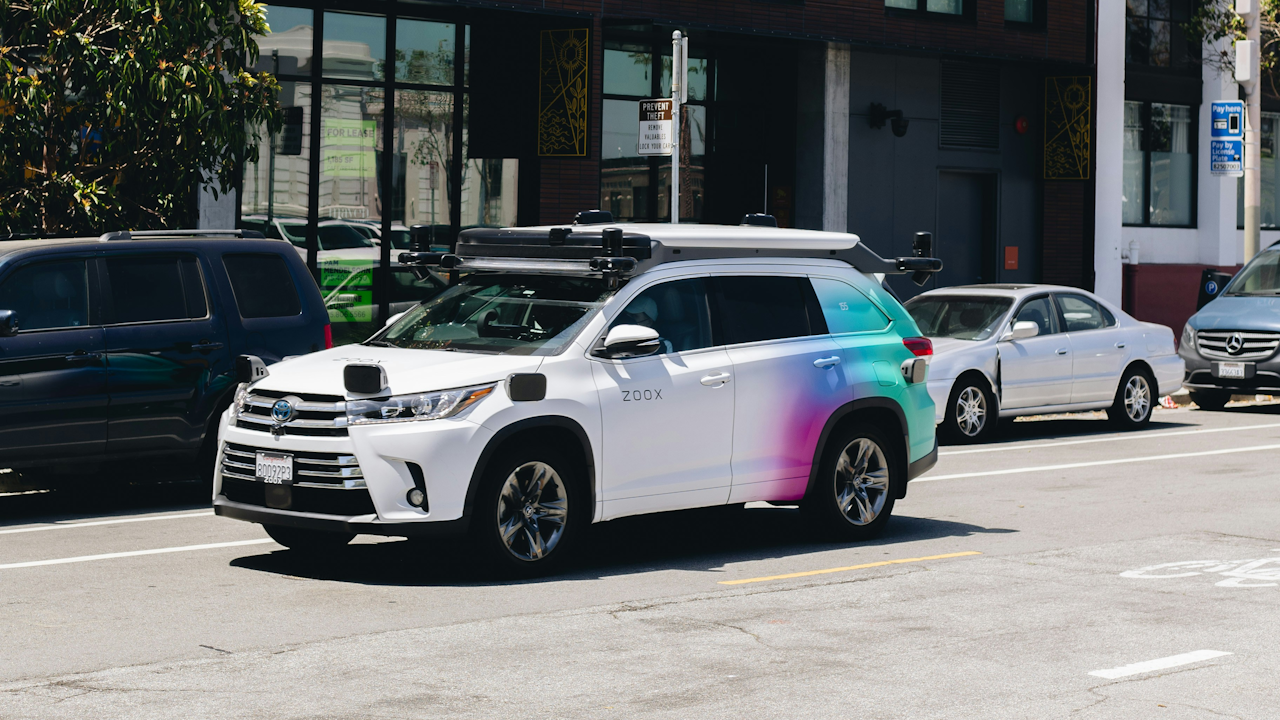
Self-driving technology, also known as autonomous vehicles or AVs, is fundamentally altering how cities are designed, built, and operated. As these vehicles move from experimental pilots to widespread deployment in places like Phoenix and San Francisco, urban planners are rethinking everything from parking requirements to street layouts. What once seemed like science fiction is now prompting concrete changes in zoning codes, infrastructure investments, and long-term development strategies. This shift promises safer streets, more efficient land use, and greater mobility for many residents, but it also raises questions about congestion, equity, and environmental outcomes. Cities that adapt proactively stand to gain vibrant public spaces and reduced car dependency, while those that lag may face increased sprawl or underutilized infrastructure.
The core appeal of self-driving tech lies in its ability to eliminate human error, which causes the vast majority of traffic accidents. AVs use sensors, cameras, lidar, and artificial intelligence to navigate complex environments with precision. Early deployments show they can maintain consistent speeds, optimize routes, and communicate with each other to form platoons that reduce gaps between vehicles. This efficiency extends beyond safety. In shared fleets, often called robotaxis, one vehicle can serve multiple users throughout the day, slashing the need for personal car ownership. Projections indicate that by 2035, a significant portion of passenger miles in major U.S. cities could come from such services, fundamentally changing how people interact with urban spaces.
One of the most immediate impacts on city planning involves parking. Traditional urban landscapes devote enormous amounts of valuable real estate to surface lots, garages, and on-street spaces. In many downtown areas, parking can consume 20 to 30 percent of land. Self-driving vehicles change this equation dramatically. After dropping off passengers, AVs can drive themselves to lower-cost peripheral parking or even circulate until needed again. Studies of shared autonomous systems suggest parking demand could drop by 62 to 95 percent in optimized scenarios, freeing up land for housing, parks, or commercial development. This shift allows planners to convert former parking structures into mixed-use buildings or green corridors without the previous constraints of minimum parking mandates in zoning laws.
Cities are already revising building codes to reflect this reality. New developments may require fewer or no on-site parking spots, especially if they integrate with ride-hailing apps or public transit. The result is denser, more walkable neighborhoods. In simulations for midsized cities, large-scale shared AV fleets have demonstrated the potential to reclaim space equivalent to entire city blocks. Planners envision curb zones redesigned for quick pick-up and drop-off rather than long-term storage. These zones could feature dedicated AV lanes or smart signaling that prioritizes efficient flow over storage. Gas stations, too, may decline as electric AVs dominate fleets, further opening land for redevelopment.
Street design itself is evolving. For decades, urban roads prioritized cars with wide lanes, expansive turning radii, and minimal interruptions for pedestrians. Self-driving tech reverses this priority. With fewer crashes and predictable behavior, streets can narrow, reclaiming space for bike paths, wider sidewalks, or outdoor seating. Planners in forward-thinking cities are exploring “complete streets” that integrate AV corridors with pedestrian-friendly zones. Designated AV pick-up areas near transit hubs could reduce the chaos of double-parked delivery vehicles or circling rideshares. Infrastructure upgrades, such as enhanced road markings, smart traffic signals, and vehicle-to-everything (V2X) communication systems, are becoming priorities to support reliable AV operation.
Traffic flow and congestion patterns stand to transform as well. AVs excel at smoothing stop-and-go patterns through coordinated acceleration and braking. Platooning can increase road capacity by 15 percent or more even with low market penetration. In ideal shared-fleet models, congestion could nearly disappear in urban cores, with emissions dropping by up to one-third. Travel times shorten, and productivity rises as passengers work, read, or relax during commutes. However, this benefit is not automatic. Without regulation, easier travel could spur induced demand, where people drive more often or farther, increasing total vehicle miles traveled. Longer commutes become feasible when time behind the wheel is no longer wasted, potentially pushing suburban frontiers outward and encouraging sprawl.
Environmental considerations add another layer of complexity. Electric AV fleets paired with renewable energy could cut greenhouse gas emissions significantly through efficient routing and reduced idling. Smoother driving alone lowers fuel consumption by optimizing speeds and reducing abrupt stops. Yet rebound effects loom large. If AVs make driving cheaper and more convenient, overall travel demand may rise, offsetting gains. Urban sprawl driven by extended commutes could increase infrastructure needs and energy use for new roads and utilities. Planners are therefore emphasizing policies that favor shared, electric, and pooled rides over private ownership to maximize sustainability. Integration with high-capacity transit remains key to preventing a net increase in emissions.
Social equity emerges as a critical concern in this reshaping process. Self-driving technology offers unprecedented mobility for elderly residents, people with disabilities, and those without driver’s licenses. Robotaxis can provide door-to-door service in areas poorly served by traditional transit, reducing isolation and expanding job access. Yet affordability remains a barrier. Early services may price out lower-income users, exacerbating divides if public transit funding suffers from declining ridership. Job displacement for taxi drivers, delivery personnel, and related roles could hit urban economies hard, particularly in communities reliant on these positions. Cities must plan inclusive policies, such as subsidies for shared AV access or requirements for operators to serve underserved neighborhoods.
Economically, the ripple effects touch real estate values, municipal budgets, and workforce development. Freed parking land boosts property values and tax revenues through higher-density development. Parking meter income and fines may decline, but new revenue streams from AV licensing fees or congestion pricing could replace them. Tech jobs in software maintenance, fleet management, and data analysis may offset losses in traditional driving roles. Broader productivity gains from reclaimed commute time could stimulate local economies. However, uncertainty persists around implementation costs for infrastructure and the pace of adoption. Cities investing early in AV-ready planning may attract businesses seeking efficient logistics and talent pools.
Real-world examples illustrate both progress and lessons learned. Phoenix stands out as a pioneer, with Waymo operating fully driverless robotaxis since the early 2020s. The city has integrated AVs into its transportation network, expanding service to airports and suburbs while monitoring impacts on local streets. Planners there have adjusted curb management and explored partnerships for first- and last-mile connections to transit. San Francisco has seen similar deployments, prompting debates over curb space allocation and traffic management during peak hours. Singapore, known for its dense layout and proactive governance, has designated test zones and embedded AV considerations into long-term master plans, focusing on seamless public transit integration. These cases show that cities embracing collaboration with operators achieve smoother rollouts and better alignment with planning goals.
Challenges abound despite the optimism. Regulatory frameworks remain fragmented, with states and cities crafting their own rules on testing, liability, and operations. This patchwork complicates nationwide scaling and creates uncertainty for manufacturers. Infrastructure readiness varies widely; many roads lack the high-definition markings or digital connectivity AVs prefer. Public trust hinges on demonstrated safety records and transparent data handling, particularly around privacy and cybersecurity. Ethical dilemmas, such as decision-making in unavoidable accidents, require ongoing societal dialogue. Without coordinated planning, AVs risk worsening congestion or inequity rather than solving it.
Looking forward, successful city planning will treat self-driving technology as a tool rather than an end in itself. Planners must update comprehensive plans to include AV scenarios, simulate impacts on land use and travel demand, and set clear performance standards for operators. Policies like mandating shared rides, zero-emission fleets, and data sharing for traffic optimization can steer outcomes toward public benefit. International coordination on standards would accelerate safe deployment. Education campaigns can build acceptance, while pilot programs test new street designs. The goal is not merely accommodating AVs but leveraging them to create more livable, sustainable, and inclusive cities.
In conclusion, self-driving technology is not just reshaping how people move through cities but how cities themselves are conceived. By reducing parking footprints, enabling flexible street designs, and enhancing mobility options, AVs offer a rare opportunity to correct decades of car-centric planning. Yet realizing these benefits demands foresight, regulation, and community input. Cities that view this transition as a chance to prioritize people over vehicles will emerge stronger, with greener spaces, safer roads, and equitable access for all residents. The coming decade will test whether planners seize this moment or allow technology to dictate terms. Proactive adaptation today ensures that self-driving tech serves as a catalyst for better urban futures rather than an unplanned disruption.