

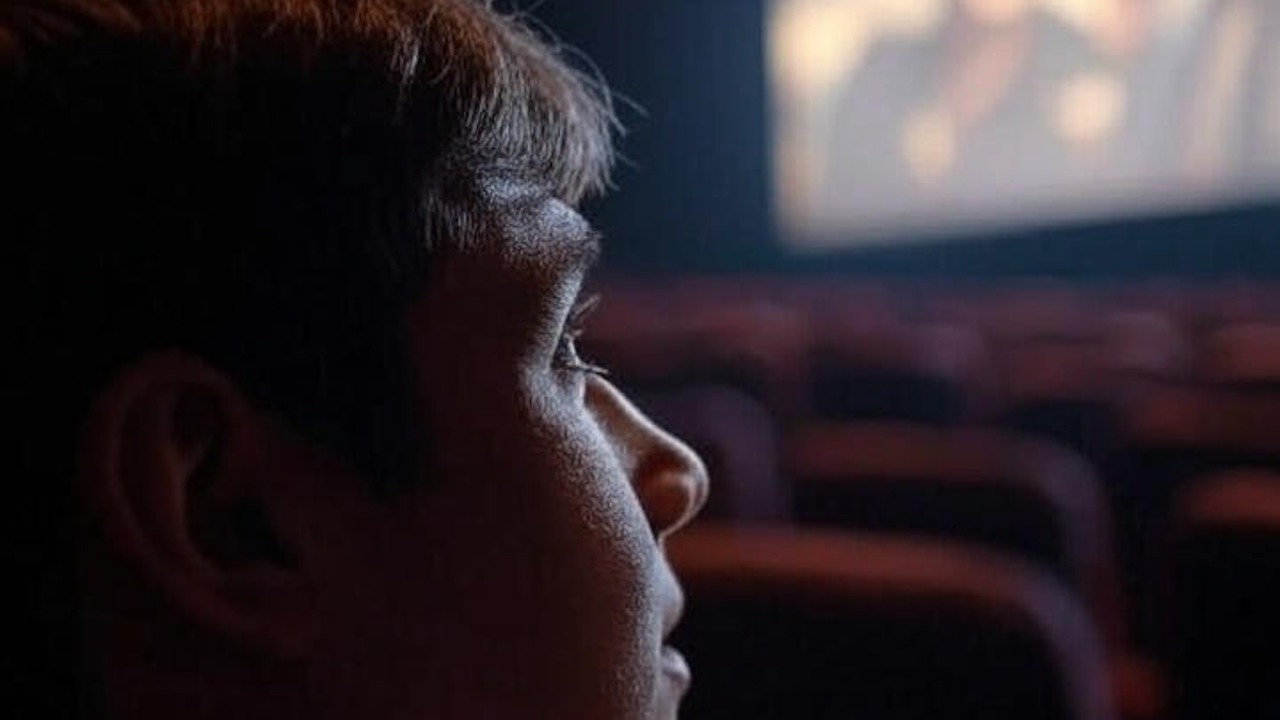
Movie trailers have become a cornerstone of modern cinema marketing. They last anywhere from thirty seconds to two and a half minutes yet they carry the weight of convincing millions of people to spend time and money on a film that might not even exist in its final form when the trailer premieres. Trailers do not simply inform audiences about upcoming releases. They engineer emotional responses with surgical precision. Through a blend of rapid editing, carefully chosen music, strategic dialogue snippets, and visual cues, these short promotional films tap into fundamental human psychology to create desire, fear, excitement, and curiosity. The result is a viewing experience that feels personal and urgent even though it has been crafted by teams of editors, composers, and marketing executives whose sole job is to make viewers feel something strong enough to buy a ticket months later.
The manipulation begins with the very structure of a trailer. Unlike a full movie that unfolds over two hours with time to develop characters and plot, a trailer compresses its narrative into a hyper efficient package. It follows a classic three act rhythm in miniature: setup, rising tension, and a climactic payoff. The opening seconds often establish the world or the central conflict with wide establishing shots or a quiet voiceover. Then the pace accelerates. Quick cuts introduce conflict, characters faces register surprise or determination, and the music swells. By the final ten seconds the trailer delivers its emotional punch whether that is a laugh, a gasp, or a heart pounding moment of revelation. This compressed storytelling exploits the brains preference for novelty and pattern recognition. Viewers process the information rapidly and fill in the gaps themselves creating an illusion of depth that may not exist in the finished film.
At the heart of trailer psychology lies the concept of emotional priming. Human beings are wired to respond to certain stimuli with predictable feelings. Trailers use this wiring against us in subtle but powerful ways. Consider the role of music. A trailer composer does not simply select a popular song. They craft or license a score that triggers specific emotional pathways. Low rumbling bass notes and minor key strings create unease and dread perfect for horror or thriller genres. Upbeat electronic pulses or soaring orchestral themes generate exhilaration and hope ideal for action adventures or feel good dramas. The music often syncs perfectly with visual beats. A drum hit lands exactly on a characters startled reaction. A swelling crescendo accompanies a slow motion leap or kiss. This synchronization called Mickey Mousing in film terminology heightens the emotional impact by engaging both auditory and visual processing centers simultaneously. The brain releases dopamine the reward chemical when it anticipates the next beat making the trailer itself feel pleasurable to watch even if the emotions being evoked are negative.
Sound design extends far beyond music. Every footstep crunch of glass or distant scream is amplified and layered to create immersion. Trailers frequently employ what audio engineers call the Shepard tone an auditory illusion of endlessly rising pitch that builds inescapable tension. Voiceovers add another layer. A deep authoritative narrator might intone cryptic phrases like In a world where nothing is as it seems or This summer one choice will change everything. These lines are deliberately vague yet emotionally loaded. They invite the viewer to project their own hopes or fears onto the story. Even the absence of sound matters. Sudden silence after a loud action sequence creates a jolt of anxiety that makes the following explosion feel more visceral.
Visual editing techniques form the backbone of emotional manipulation. Editors work with frame rates, color palettes, and shot durations to control viewer heart rates. Fast cuts under one second long increase excitement and urgency mimicking the sensation of adrenaline flooding the body. Slower dissolves and lingering close ups on tear streaked faces or trembling hands evoke empathy and sadness. Color grading plays a critical role too. Cool blue tones suggest isolation or melancholy while warm oranges and golds imply comfort and romance. High contrast lighting with deep shadows can make ordinary scenes feel ominous. Trailers also rely heavily on the principle of emotional contagion. When audiences see characters laughing crying or screaming on screen mirror neurons fire in the viewers brain prompting them to feel a version of the same emotion. A montage of friends hugging or a hero standing triumphantly against a sunset skyline transfers those positive feelings directly to the potential ticket buyer.
Different genres deploy these tools in specialized ways. Horror trailers excel at creating dread through suggestion rather than explicit gore. They show shadowy figures in doorways empty hallways with flickering lights or a hand reaching from under a bed. Jump scares are teased but rarely fully delivered in the trailer itself preserving the surprise for the theater. The goal is to plant a seed of fear that grows in the viewers mind over the following weeks. Action trailers on the other hand bombard the senses with explosions car chases and hand to hand combat. They intercut these sequences with quiet character moments to create an emotional roller coaster that leaves viewers breathless and eager for more. Romantic comedies use warm lighting soft focus and witty banter montages to trigger feelings of nostalgia and longing. The editing rhythm is gentler with longer shots that allow the audience to connect with the characters chemistry. Science fiction trailers often lean on awe inspiring visuals vast spaceships or futuristic cityscapes paired with haunting scores to evoke wonder and curiosity about the unknown.
Superhero and franchise trailers add another psychological layer nostalgia. When a new installment in a long running series appears the trailer will include callbacks to earlier films. A familiar theme swells. A beloved character delivers a line that echoes one from a previous entry. These moments activate memory centers in the brain linking the new trailer to positive feelings from past viewings. The technique is especially effective with reboots or legacy sequels where studios want to reassure fans while attracting newcomers. By evoking shared cultural memories the trailer creates an instant emotional bond.
Marketing teams do not rely on intuition alone. They test trailers rigorously with focus groups and online analytics. Different versions of the same trailer might emphasize comedy in one cut and drama in another. Data on viewer drop off rates pause points and rewatch frequency guide final decisions. Social media reactions provide real time feedback. If a particular line or shot generates strong engagement it stays. If a sequence causes confusion or boredom it gets cut. This data driven approach ensures the final trailer hits emotional targets with maximum efficiency. Studios have even begun using biometric testing measuring heart rates skin conductance and eye tracking to quantify exactly which moments produce the strongest responses.
Several landmark trailers illustrate these techniques in action. The 2010 trailer for Inception directed by Christopher Nolan remains a masterclass in building intellectual and visceral excitement. It opens with a quiet conversation between characters then accelerates into a sequence of impossible architecture folding cityscapes and zero gravity fights. Hans Zimmers pulsing score drives the momentum while dialogue snippets hint at dream within a dream concepts without spoiling the plot. Viewers left theaters after the trailer feeling intellectually stimulated and viscerally thrilled even though they understood almost nothing about the story. The result was massive opening weekend anticipation that translated into a global box office success.
Horror trailers have their own iconic examples. The 2013 trailer for The Conjuring used minimal dialogue and relied almost entirely on atmosphere. Flickering lights creaking doors and a child whispering questions created a slow burn of dread. The final shot a door slamming shut accompanied by a sudden musical sting left audiences in the theater jumping in their seats. That trailer generated so much buzz that it became a cultural event in itself with viewers sharing their reactions online and building hype for months before release.
Even comedy trailers manipulate emotions with precision. The 2004 trailer for Anchorman used rapid fire one liners delivered by a deadpan Will Ferrell against a backdrop of 1970s newsroom chaos. The editing kept the jokes coming at breakneck speed creating a sense of escalating absurdity that made viewers laugh out loud in the theater. The trailer did not reveal the full plot but it convinced audiences that the film would deliver nonstop humor a promise that many felt was fulfilled upon release.
As effective as these tactics are they raise ethical questions about manipulation. Trailers frequently promise experiences that the finished film cannot deliver. A comedy trailer might highlight the funniest moments leaving out the slower sections. A dramatic trailer might emphasize emotional depth while downplaying formulaic plot points. Audiences enter the theater with inflated expectations only to feel disappointment when the movie fails to match the trailers emotional high. This mismatch contributes to what some critics call the trailer gap the difference between promotional promise and actual product. In an era of declining theatrical attendance and rising streaming competition studios face pressure to make trailers as emotionally compelling as possible sometimes at the expense of honesty.
Viewers are not entirely powerless against this manipulation. Awareness of the techniques can help audiences approach trailers more critically. Pay attention to how music changes mood. Notice when cuts accelerate or slow down. Ask yourself what specific emotion the trailer is trying to evoke and whether that emotion aligns with what you actually want from a film. Some viewers have begun watching trailers with the sound off to strip away the musical manipulation and focus purely on visuals and dialogue. Others wait until closer to release date when more footage becomes available reducing the risk of early hype burnout.
The digital age has introduced new dimensions to trailer strategy. Short form vertical videos optimized for TikTok and Instagram Reels function as micro trailers that deliver emotional hits in fifteen seconds or less. These clips often focus on a single powerful moment a laugh a scream or a stunning visual designed to stop scrolling thumbs and generate immediate shares. Algorithms reward content that triggers strong reactions so creators prioritize emotional intensity over subtlety. At the same time fan made trailers and edit videos on YouTube allow audiences to participate in the manipulation game remixing official footage to create their own emotional narratives.
Despite these changes the core principles remain unchanged. Movie trailers succeed by understanding that humans are emotional creatures first and rational decision makers second. They bypass logical analysis by going straight for the heart and the gut. A well crafted trailer does not just sell a movie. It sells a feeling the anticipation of laughter the thrill of danger the warmth of connection. In doing so it turns passive viewers into active participants who feel personally invested long before the lights go down in the theater.
The next time you sit through a trailer before your feature presentation take a moment to observe the craft at work. Notice how your pulse quickens during the action beats or how a single line of dialogue tugs at your sympathies. Recognize that every frame every note and every pause has been calculated to move you. Trailers represent one of the most sophisticated forms of emotional persuasion in popular culture and understanding their methods does not diminish their power. It simply allows us to enjoy the ride with clearer eyes while still feeling every carefully engineered heartbeat. In the end that combination of awareness and surrender might be the most honest way to experience the magic that movie marketing creates.