

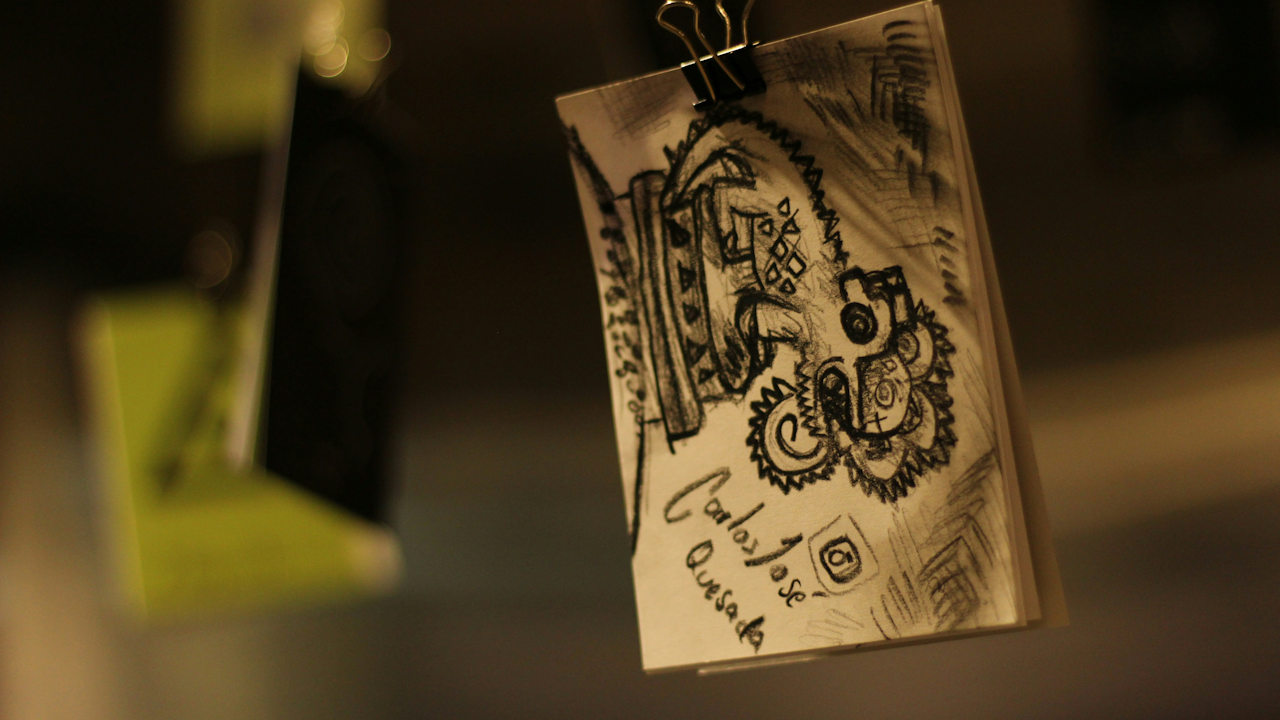
Everyday sketches often begin as quiet personal notes, quick marks made to capture a passing thought. Yet these modest drawings play a larger role in shaping the direction of contemporary art than many expect. They provide a window into authentic experiences, small creative impulses, and unfiltered observations. As artists share more of their informal work through social platforms, these sketches travel far beyond the notebook. They influence how new styles emerge, how creative communities evolve, and how the public understands artistic practice. To see why these simple drawings hold such power, it helps to look at how they affect technique, culture, and collaboration across the world.
First, everyday sketches encourage spontaneity and experimentation. When an artist picks up a pencil without planning a grand project, the pressure to be perfect usually fades. The result is a freer approach to composition, line, and texture. These sketches show raw energy and quick visual thinking, which can later spark entire movements. Many well known styles have their roots in this kind of open exploration. Impressionism took hold partly because artists sketched outdoor scenes rapidly, seeking to capture the fleeting effects of light. Surrealists often relied on automatic drawing as a way to bypass conscious control. In modern times, urban sketching groups fill their books with honest depictions of city life, which in turn inspire graphic novels, illustration trends, and even architectural visualization. What begins as a casual drawing can plant the seed for a new aesthetic direction.
Second, everyday sketches document what artists notice in their surroundings. These drawings often reveal the concerns, moods, and cultural shifts of a particular moment. When many people sketch similar themes, a larger trend takes shape. For example, the rise of tiny home living and minimal lifestyle choices has led many artists to draw compact living spaces, modular objects, and quiet scenes of stillness. As these sketches spread online, they help establish new visual languages that reflect the values of a generation. The same phenomenon occurs with social movements. Protesters create quick drawings to express solidarity or critique institutions. These images circulate quickly and inspire more refined artworks, posters, murals, and animations. In this way, a sketch made on a street corner can influence the tone of a global conversation.
Sketches also shape art trends by making creative processes more visible. In earlier eras, viewers mostly saw finished works in galleries or publications. Today, artists frequently share their notebooks, warm up drawings, and rough concepts. These glimpses behind the scenes reveal how ideas develop. They also make the creative journey feel more approachable, encouraging more people to participate. When followers see an unfamiliar style emerging in an artist’s sketchbook, they often try it themselves. This shared experimentation leads to widespread shifts in technique and form. For instance, the growing popularity of loose ink line work combined with watercolor washes began in personal travel journals. Once people saw how accessible and expressive the combination could be, it spread across illustration, stationery design, and independent publishing.
Another important factor is the role of digital tools. Even when artists sketch on paper, they often photograph and upload their drawings. Others sketch directly on tablets, using apps that mimic the feel of traditional media. These digital sketches move rapidly through online communities and gather feedback almost instantly. This quick exchange accelerates the spread of new ideas. It also gives rise to hybrid styles that blend influences from illustration, animation, graphic design, and fine art. What starts as a pencil doodle can evolve into a trending digital look once people adapt and remix it across platforms.
Everyday sketches also encourage collaboration. When artists see each other’s informal work, they often start challenges, prompts, or communal sketchbooks. Groups dedicate entire months to drawing themed subjects, sharing both successful attempts and abandoned ideas. This collective effort fuels innovation. A simple prompt such as drawing a plant every day might lead hundreds of artists to rethink natural forms in new ways. Over time, the shared focus can shape recognizable trends in color palettes, stylization, or compositional choices. The low pressure nature of sketching makes it easier for people to participate, which strengthens community and broadens the base from which new movements can grow.
Another important aspect of everyday sketches is how they communicate emotion. Quick drawings often capture subtle feelings or mental states that might not appear in a polished piece. A hurried line can express anxiety, a gentle contour can show tenderness, and a messy page can reveal frustration. These emotional traces resonate with viewers, who may be drawn to styles that reflect their own experiences. As more people respond to such emotional immediacy, certain expressive approaches rise in popularity. Analysts sometimes focus on technical qualities when studying art trends, but emotional honesty often plays a much larger role. Sketches provide a unique space for this type of authenticity.
In addition, everyday sketches help define the relationship between art and everyday life. They show that creativity does not depend on perfect conditions. Instead, it grows through repetition, curiosity, and attention to ordinary moments. This perspective influences broader cultural trends. Many people who might feel intimidated by traditional art forms find comfort in the simplicity of sketching. As they participate, they bring their own viewpoints, interests, and cultural backgrounds into the wider artistic landscape. The cumulative effect is a richer, more diverse field shaped by countless small contributions.
In the end, everyday sketches matter because they capture the living pulse of artistic thought. They reflect individual insight while contributing to collective evolution. They reveal both the humble beginnings of major art movements and the subtle shifts that define each cultural era. Even though they may start as quick marks in a notebook or tablet, they play an essential role in shaping the art of today and the trends that will define tomorrow.