

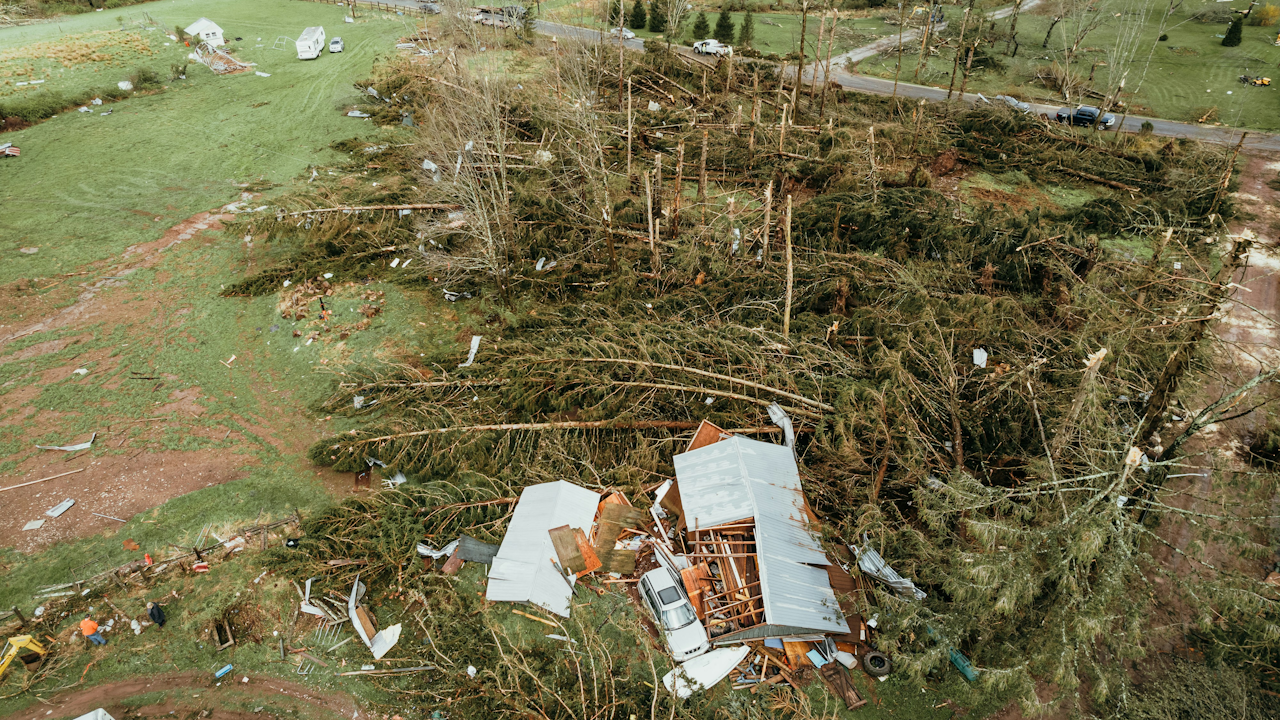
Climate change has transformed the landscape of natural disasters in the United States, turning what were once rare events into more frequent and costly occurrences. Wildfires rage longer and hotter in the West, hurricanes batter the Southeast with greater fury, and severe storms unleash damaging hail and tornadoes across the Midwest and Plains. These shifts have placed enormous pressure on the homeowners insurance industry, leading to sharp premium increases, reduced coverage options, and even outright market withdrawals in high-risk areas. For the average American homeowner, the result is higher costs that strain household budgets and, in some cases, make homeownership less affordable or feasible. This article explores the mechanisms behind these changes, examines regional variations, reviews the data driving insurer decisions, and outlines steps homeowners can take to navigate the evolving market.
The connection between climate disasters and insurance rates begins with the rising toll of extreme weather. Insured losses from natural catastrophes in the United States averaged about 100 billion dollars annually between 2023 and 2025, a dramatic jump from roughly 15 billion dollars per year a decade earlier. In the first half of 2025 alone, global insured losses from natural events reached 100 billion dollars, with the United States accounting for a substantial share of the economic damage at 126 billion dollars in total losses during that period. Even in a relatively quieter year like 2025, which saw fewer major landfalling hurricanes, the cumulative impact of convective storms, wildfires, and other events kept losses elevated. Industry analysts note that four of the past five years have produced more than 100 billion dollars in annual weather-related losses, a threshold that signals a new normal shaped by warmer oceans, prolonged droughts, and shifting weather patterns.
Insurers respond to these realities by repricing risk. Homeowners insurance policies cover damage from perils such as fire, wind, hail, and certain water events, but when claims surge, companies must offset payouts through higher premiums, larger deductibles, or stricter underwriting standards. Reinsurance, the backup coverage that insurers purchase to protect themselves against massive losses, has become far more expensive as global reinsurers have doubled rates in recent years following a string of costly disasters. Construction inflation adds another layer: rebuilding a home after a wildfire or hurricane now costs significantly more due to labor shortages and material price spikes. When these factors combine with climate-driven increases in event frequency and severity, the math for insurers becomes clear. Premiums must rise to maintain profitability and solvency.
Nationwide data illustrate the scale of the problem. According to a March 2026 report from insurance analytics firm Insurify, the average annual homeowners insurance premium in the United States climbed 12 percent in 2025 to reach 2,948 dollars, with a further 4 percent increase projected for 2026. Other analyses show even steeper long-term trends. Between 2021 and 2024, typical premiums rose by about 24 percent on average, or roughly 648 dollars per policy, with some states experiencing 50 percent jumps. In high-risk ZIP codes, the gap is wider still. Homeowners in the 20 percent of areas facing the highest expected annual losses from climate perils paid an average of 2,321 dollars annually between 2018 and 2022, which is 82 percent more than those in the lowest-risk zones. A U.S. Treasury Department review of more than 243 million policies confirmed that premiums increased 8.7 percent faster than inflation during the same period, with the sharpest hikes concentrated in communities repeatedly hit by severe weather.
These national figures mask significant regional differences, driven by the specific disasters that dominate each area. In California, wildfires have become the defining threat. The state has endured massive blazes that burned millions of acres and destroyed thousands of structures in recent years. Major carriers including State Farm and Allstate have limited new policies or declined to renew thousands of existing ones, citing wildfire risk and rising rebuild costs. The state’s insurer of last resort, the FAIR Plan, has seen its exposure balloon to more than 700 billion dollars in potential claims liability by late 2025, surpassing similar programs in Florida and Texas combined. Premiums in California are now projected to see some of the largest increases in 2026 following the devastating Los Angeles-area fires earlier in the year. Homeowners in wildfire-prone zones have faced annual rate hikes of 6 to 10 percent in recent years, far outpacing the 1 to 4 percent seen in lower-risk areas.
Florida presents a parallel story centered on hurricanes and flooding. The state endured multiple billion-dollar storms in the early 2020s, culminating in events like Hurricane Ian with insured losses estimated at 60 billion dollars. Private insurers responded by exiting the market or going insolvent, pushing hundreds of thousands of homeowners into the state-backed Citizens Property Insurance Corp. Nonrenewal rates in Florida surged 280 percent between 2018 and 2023. Average premiums in the state rank among the highest nationally, often exceeding 5,800 dollars per year and sometimes reaching 15,000 dollars in coastal zones when flood coverage is added separately. Although a quieter 2025 Atlantic hurricane season allowed some private carriers to return and modest rate relief for Citizens policyholders, experts caution that long-term trends point to continued upward pressure. Rebuilding costs and reinsurance expenses remain elevated, and development in vulnerable coastal areas continues.
The Midwest and Great Plains have emerged as unexpected hotspots due to severe convective storms. Hail, tornadoes, and straight-line winds have produced insured losses exceeding 42 billion dollars annually for three straight years, well above historical averages. States like Nebraska, Minnesota, Colorado, and Oklahoma recorded premium jumps of 20 percent or more in 2025, with Nebraska posting the highest average cost in the country at nearly 6,400 dollars. Illinois saw a 50 percent rise between 2021 and 2024 and faces another 5 percent increase in 2026, pushing the typical bill to around 3,559 dollars. These events, intensified by warmer atmospheric conditions that fuel stronger thunderstorms, have caught many homeowners off guard. Insurance now consumes more than one-fifth of total housing payments, including mortgage and taxes, in some hail-prone communities.
Beyond premium hikes, the insurance market has tightened in other ways. Nonrenewal notices nationwide climbed nearly 30 percent from 2018 to 2022, reaching more than 620,000 per year. Insurers have also introduced higher deductibles for wind and hail, excluded certain perils, or required mitigation upgrades such as fortified roofs or defensible space around homes. In extreme cases, entire ZIP codes have become difficult or impossible to insure through standard carriers, forcing reliance on residual market programs that offer limited coverage at higher prices. This availability crunch compounds the financial hit. A 2025 New York Times analysis of payment data found that rising insurance costs have already reduced home values by an average of 20,500 dollars in the top 25 percent of disaster-exposed properties and by as much as 43,900 dollars in the most vulnerable 10 percent.
The ripple effects extend into the broader economy. Higher insurance costs contribute to slower home price appreciation or outright declines in at-risk markets, potentially eroding homeowner equity and complicating sales or refinances. Lenders increasingly scrutinize insurance affordability before approving mortgages, and some communities face the prospect of falling property tax revenues if values drop. A Senate Budget Committee report warned that an unaddressed insurance crisis could cascade into a wider financial shock, with plunging property values in hard-hit areas triggering broader instability. Even in states with regulatory caps on rate increases, such as California, insurers have offset losses by raising prices elsewhere or simply reducing their footprint, distorting the national market.
Homeowners are not powerless in this environment, however. Several practical steps can help manage or mitigate rising costs. First, shop around annually. Independent agents or online comparison tools often uncover carriers willing to write policies in moderately risky areas, especially if the home meets updated building standards. Second, invest in resilience. Installing impact-resistant windows, elevating HVAC units, or creating defensible landscaping can qualify for discounts and lower long-term risk. Many states offer grant programs or tax credits for such upgrades. Third, review policy details carefully. Standard homeowners insurance rarely covers flood damage, so separate National Flood Insurance Program policies or private flood options may be essential in low-lying or coastal zones. Fourth, consider higher deductibles if cash reserves allow; this can reduce premiums substantially while still providing catastrophic protection. Finally, engage with local and state policymakers. Advocacy for updated building codes, infrastructure investments, and fair residual market reforms can influence the trajectory of insurance availability.
Looking ahead, projections suggest continued pressure unless global emissions decline sharply and adaptation accelerates. Climate models forecast more intense hurricanes, larger wildfire seasons, and frequent extreme precipitation events. Insurers are adopting sophisticated modeling tools that incorporate forward-looking climate scenarios, which will likely keep rates elevated even after a quiet disaster year. Some optimism exists in states like Florida, where recent reforms have encouraged private market participation and delivered modest relief. Nationwide, however, forecasts from sources such as Bankrate and the Insurance Information Institute point to 3 to 8 percent average premium growth in 2026, with steeper increases in the Midwest and California.
The insurance industry serves as an early warning system for the economic costs of climate change. What began as a problem for coastal and Western homeowners has spread inland, affecting millions more through higher bills and reduced options. As disasters grow more common, the burden falls disproportionately on those living in vulnerable regions, but the trend touches every policyholder through the shared risk pool. Homeowners who understand these dynamics, take proactive mitigation steps, and stay informed about market shifts will be better positioned to protect both their properties and their finances in the years to come. The alternative, an uninsurable home in a warming world, carries far greater long-term costs.