

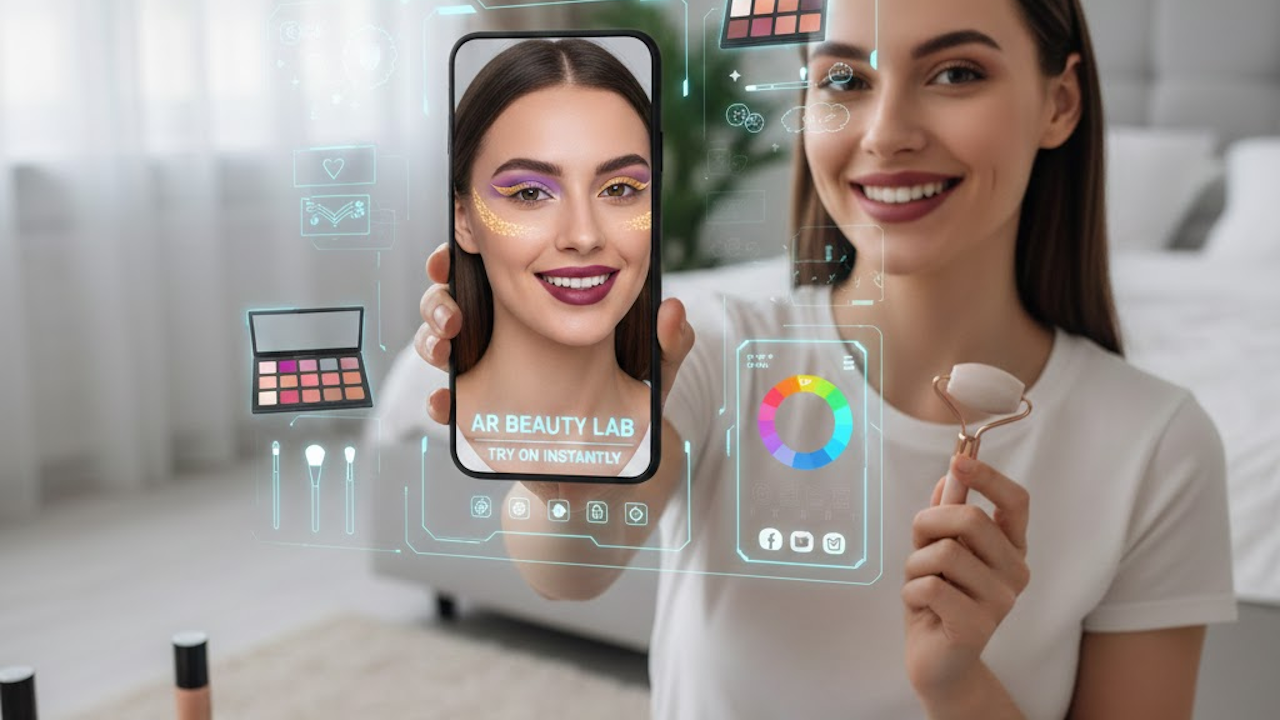
Augmented reality technology has quietly transformed many aspects of daily life, but few areas have felt its impact as profoundly as the beauty industry. AR apps now allow users to experiment with cosmetics, hairstyles, and skincare regimens in real time through their smartphone cameras. What once required physical products, time-consuming trips to stores, or professional consultations can now happen instantly from home. This shift is reshaping consumer habits, retail strategies, and even the way beauty brands develop and market their products.
The integration of AR into beauty routines represents more than a convenient gimmick. It addresses longstanding pain points such as mismatched shades, buyer’s remorse, and limited access to professional advice. By overlaying digital elements onto the real world, AR creates an interactive mirror that responds to movements, lighting conditions, and user preferences. As adoption grows, these tools are moving from novelty features to essential components of modern grooming and self-care practices.
The Evolution of Beauty Technology
Beauty routines have always evolved with available tools. Ancient civilizations used natural pigments and mirrors made of polished metal. The 20th century brought mass-market cosmetics, professional makeup artists, and television tutorials. The digital age introduced online reviews, influencer videos, and e-commerce, but purchasing decisions still carried uncertainty. Shoppers wondered how a lipstick would look under office lighting or whether a foundation shade would match their skin tone in person.
AR bridges this gap. Early experiments in virtual makeup appeared in the late 2000s, but widespread smartphone adoption and improved camera quality accelerated development. Companies like L’Oréal acquired AR technology firms such as ModiFace, while beauty retailers like Sephora launched their own platforms. Today, dedicated AR beauty apps compete with built-in features in social media platforms like Instagram and TikTok.
This evolution coincides with broader consumer trends. Millennials and Gen Z prioritize experiences and personalization over traditional advertising. They value sustainability and informed choices, both of which AR supports by reducing unnecessary purchases and enabling virtual testing.
How AR Beauty Apps Work
At their core, AR beauty applications use computer vision and machine learning to map a user’s face or body in real time. The process begins when the camera detects facial landmarks such as eyes, nose, lips, and jawline. Sophisticated algorithms then adjust for head tilt, facial expressions, and environmental lighting to maintain realistic overlays.
For makeup applications, users select virtual products from extensive digital catalogs. The app applies eyeshadow with accurate blending, lipstick that follows lip movements, and blush that adapts to cheek contours. Advanced versions simulate texture and finish, whether matte, glossy, or metallic. Hair color apps go further by analyzing current hair length and style before previewing new shades or cuts.
Skincare tools extend beyond color. Some apps analyze skin conditions through camera input, identifying dryness, redness, or blemishes, then recommending products and showing simulated results after consistent use. Virtual try-on for accessories like earrings or glasses integrates seamlessly with makeup previews, creating complete looks.
These systems rely on vast datasets. Brands train models on thousands of diverse faces to improve accuracy across skin tones, ages, and facial structures. Continuous updates refine performance, addressing previous limitations like poor performance in low light or with certain makeup textures.
Popular AR Beauty Applications and Features
Several standout apps demonstrate the range of possibilities. YouCam Makeup offers comprehensive virtual makeup sessions with thousands of shades from multiple brands. Users can save favorite looks, share them directly to social media, or book virtual consultations with beauty experts.
Sephora’s Virtual Artist integrates with the retailer’s inventory, allowing shoppers to test products before adding them to online carts. The app’s Color Match feature uses camera analysis to suggest foundation shades, significantly reducing return rates.
L’Oréal’s various AR experiences, including those in the My L’Oréal app, emphasize hair and color. Users can visualize dye results on their own hair while accounting for natural highlights and growth patterns. The company’s partnership with Google has brought AR try-on to web browsers, expanding accessibility beyond dedicated apps.
Emerging players focus on niche needs. Some apps specialize in inclusive representation, offering extensive shade ranges for darker skin tones or adaptive features for users with visual impairments. Others incorporate wellness elements, such as tracking skincare progress over weeks or suggesting routines based on daily stress levels detected through facial analysis.
Social media platforms have amplified these capabilities. Instagram filters and TikTok effects let users test trends instantly, driving viral challenges and community-driven beauty discoveries. This democratization means anyone with a smartphone can participate in beauty experimentation without financial barriers.
Benefits for Consumers and the Industry
The advantages of AR in beauty routines extend across multiple dimensions. Convenience tops the list. Busy professionals can test evening makeup during a lunch break without removing daytime looks. Parents managing childcare can explore new hairstyles without leaving home. The technology eliminates the pressure of in-store lighting, which often distorts how products appear.
Waste reduction represents another significant gain. Traditional beauty shopping generates substantial returns due to color mismatches or texture dissatisfaction. AR minimizes these issues, benefiting both consumers’ wallets and the environment. Industry reports suggest virtual try-on features can decrease return rates by substantial percentages, lowering the carbon footprint associated with shipping and disposal.
Personalization reaches new levels. Algorithms learn user preferences over time, suggesting complementary products or seasonal adaptations. Someone with cool undertones might receive automatic recommendations for compatible shades, while those with sensitive skin get filtered options excluding common irritants.
For brands, AR provides valuable data insights. Anonymous usage patterns reveal popular combinations and emerging trends, informing product development. Virtual focus groups become possible as companies observe how users interact with new launches in real-world settings.
Accessibility improves dramatically. Individuals in remote areas or with mobility challenges gain equivalent experiences to urban shoppers. AR also supports those exploring gender expression or age-related changes by offering judgment-free experimentation spaces.
Challenges and Limitations
Despite its promise, AR beauty technology faces obstacles. Accuracy remains inconsistent across devices. High-end smartphones deliver superior results, potentially creating a divide between users. Lighting conditions, camera quality, and internet connectivity all influence performance.
Representation gaps persist. While progress has been made, some algorithms still struggle with very dark skin tones or unique facial features. This can perpetuate existing biases in the beauty industry if not carefully addressed through diverse training data and inclusive development teams.
Privacy concerns loom large. Face scanning involves sensitive biometric data. Users worry about how images and analysis results are stored, shared, or potentially misused. Reputable apps implement strong encryption and clear consent policies, but skepticism remains, particularly among older demographics.
The psychological impact requires consideration. Constant digital perfection might affect self-esteem or create unrealistic expectations. However, many argue that AR empowers users by providing control and information, ultimately fostering greater confidence through informed choices.
Technical barriers include battery drain during extended sessions and the learning curve for new users. Some find the interface overwhelming, preferring traditional methods for certain routines.
Integration with Daily Routines
AR beauty tools are becoming embedded in everyday practices rather than standing apart as separate activities. Morning routines might begin with a quick skin analysis to determine hydration needs or sun protection levels. Commute time could involve browsing virtual lipstick options for an upcoming event.
Special occasions benefit enormously. Wedding planning includes virtual makeup trials that coordinate with lighting venues and photography styles. Professional settings allow testing corporate-appropriate looks without commitment. Seasonal changes prompt hair color experiments that preview results before chemical processes.
Educational aspects enhance routines. AR apps often include tutorials that demonstrate proper application techniques, helping users develop skills. Interactive elements encourage experimentation while providing guidance, creating a supportive learning environment.
Social sharing transforms beauty from private activity to communal experience. Friends compare virtual looks, offer feedback, and collaborate on style decisions. This social dimension strengthens community bonds while expanding individual creativity.
The Role of Artificial Intelligence
AR and AI work synergistically in modern beauty applications. Machine learning enhances realism by predicting how products interact with different skin types or how hair moves with head turns. AI personalizes recommendations based on past behavior, weather data, or calendar events.
Future developments may incorporate more advanced biometrics. Heart rate variability or stress indicators could influence suggested palettes, with calming colors for high-stress days. Integration with smart mirrors or wearable devices could provide hands-free experiences during actual application.
Voice commands and gesture controls will improve accessibility. Users might simply say “make my eyes look more dramatic” and watch the transformation occur.
Looking Toward the Future
The trajectory for AR in beauty points toward deeper integration and expanded capabilities. Virtual reality combinations could create immersive salon experiences from home. Haptic feedback might simulate product textures, adding another sensory dimension.
Sustainability efforts will likely intensify. AR could help brands showcase eco-friendly ingredients or demonstrate the environmental impact of choices. Customization might extend to 3D-printed makeup or personalized formulations based on virtual testing data.
Retail spaces will evolve. Physical stores might become showrooms where AR enhances rather than replaces human interaction. Beauty advisors could use shared AR views to collaborate with customers remotely.
Global expansion will bring these tools to emerging markets, adapting to local beauty standards and cultural preferences. Translation features and culturally relevant product suggestions will broaden appeal.
Regulatory frameworks will develop around data usage and advertising claims. Clear guidelines will ensure AR previews accurately represent real-world results, maintaining consumer trust.
Conclusion
AR apps have fundamentally altered beauty routines by removing barriers between imagination and reality. What begins as simple color testing evolves into comprehensive lifestyle tools that inform, entertain, and empower. The technology respects individual preferences while encouraging exploration and confidence.
As capabilities expand and accessibility improves, AR stands poised to become as standard in beauty as moisturizer or mascara. The change extends beyond convenience to deeper shifts in how people perceive and interact with their appearance. In this new landscape, beauty routines become more personal, sustainable, and inclusive.
The transformation continues as developers, brands, and users collaborate to refine these digital experiences. Each innovation brings the virtual closer to the authentic, helping people present their best selves while embracing authenticity. The future of beauty appears not just augmented, but genuinely enhanced through thoughtful technology integration.