

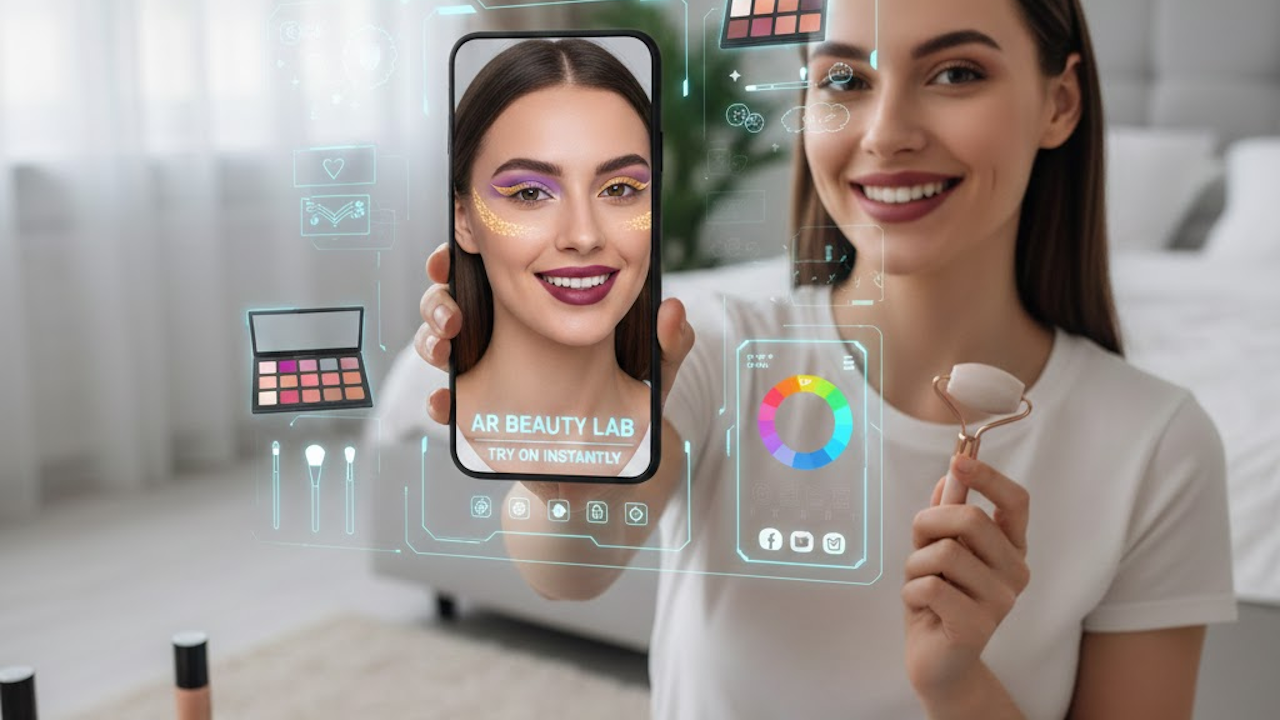
Augmented reality, often shortened to AR, has moved from novelty to necessity in many beauty routines. What began as playful face filters on social media has matured into sophisticated tools that shape how people discover products, learn techniques, and make purchasing decisions. As AR apps become more accurate and accessible, they are redefining the relationship between consumers, brands, and the mirror itself.
One of the most visible changes is virtual try on technology. AR beauty apps allow users to see makeup, hair color, and even skincare effects on their own faces in real time. By using a phone camera and facial mapping, these apps overlay digital products with impressive precision. Lipstick shades adjust to natural lip lines, foundation matches respond to skin tone, and eyeshadow follows eyelid contours as the user blinks or turns their head. This creates a low risk way to experiment. Instead of relying on testers or guesswork, users can preview how a product looks before buying it.
This shift has altered how people shop for beauty products. In the past, choosing cosmetics often required visiting a store, swatching products, and hoping store lighting reflected reality. AR apps bring that experience home, but with more control. Users can test dozens of shades in minutes, compare finishes side by side, and save favorites for later. As a result, buying decisions feel more confident and returns are reduced. For many consumers, especially those shopping online, AR has become an essential step in the purchasing process rather than a bonus feature.
AR apps are also changing how people learn beauty techniques. Many platforms now combine virtual try on features with guided tutorials. A user can follow step by step instructions while seeing digital outlines showing where to apply contour, blush, or eyeliner on their own face. Some apps provide feedback, alerting users if placement is uneven or blending could be improved. This interactive learning approach makes beauty education more accessible, especially for beginners who may feel overwhelmed by traditional tutorials.
Personalization is another major impact. AR systems collect data about facial structure, skin tone, and preferences to tailor recommendations. Instead of generic advice, users receive suggestions that fit their individual features. For example, an app might recommend eyebrow shapes that suit a specific face shape or skincare routines based on visible concerns like dryness or redness. This personalized guidance helps users build routines that feel intentional rather than experimental.
In skincare, AR is beginning to move beyond surface level visualization. Some apps analyze the skin using the camera to estimate concerns such as pores, texture, or fine lines. While these assessments are not medical tools, they give users a clearer sense of what products might address their goals. Progress tracking features allow users to compare images over time, which can reinforce consistency and motivate long term care. Beauty routines become more data informed, blending self care with light analytics.
The social and psychological effects of AR beauty apps are complex. On one hand, they empower users to explore styles and express creativity without commitment. Trying a bold lip or dramatic contour feels safer when it is virtual. On the other hand, constant access to idealized digital versions of oneself can raise concerns about unrealistic expectations. Many brands are responding by emphasizing transparency and offering settings that show more natural results, including unretouched skin textures and freckles.
For beauty brands, AR has become a powerful engagement tool. Interactive experiences keep users within brand ecosystems longer and create memorable touchpoints. Launching a new product with an AR filter allows instant sampling at scale. Brands can also gather insights into popular shades, features, and trends, which informs future product development. This creates a feedback loop where consumer behavior directly shapes what comes next.
AR apps are also making beauty more inclusive. Traditional beauty marketing has often excluded certain skin tones, ages, and facial features. Virtual try on tools can display the same product across a wide range of appearances, helping users see themselves represented. Smaller brands can compete by offering rich digital experiences without the cost of physical retail expansion. This levels the playing field and broadens access to experimentation and discovery.
Looking ahead, AR beauty technology is likely to become even more integrated into daily routines. As cameras improve and artificial intelligence advances, virtual results will look increasingly lifelike. Integration with wearable devices and smart mirrors may blur the line between digital and physical routines. Rather than replacing traditional beauty practices, AR is enhancing them by adding confidence, education, and personalization.
In essence, AR apps are not just changing how beauty looks, but how it feels. They transform routines from static habits into interactive experiences, giving users greater control over how they present themselves. As technology continues to evolve, beauty routines will likely become more informed, expressive, and inclusive, guided not only by trends but by tools that adapt to each individual face.