

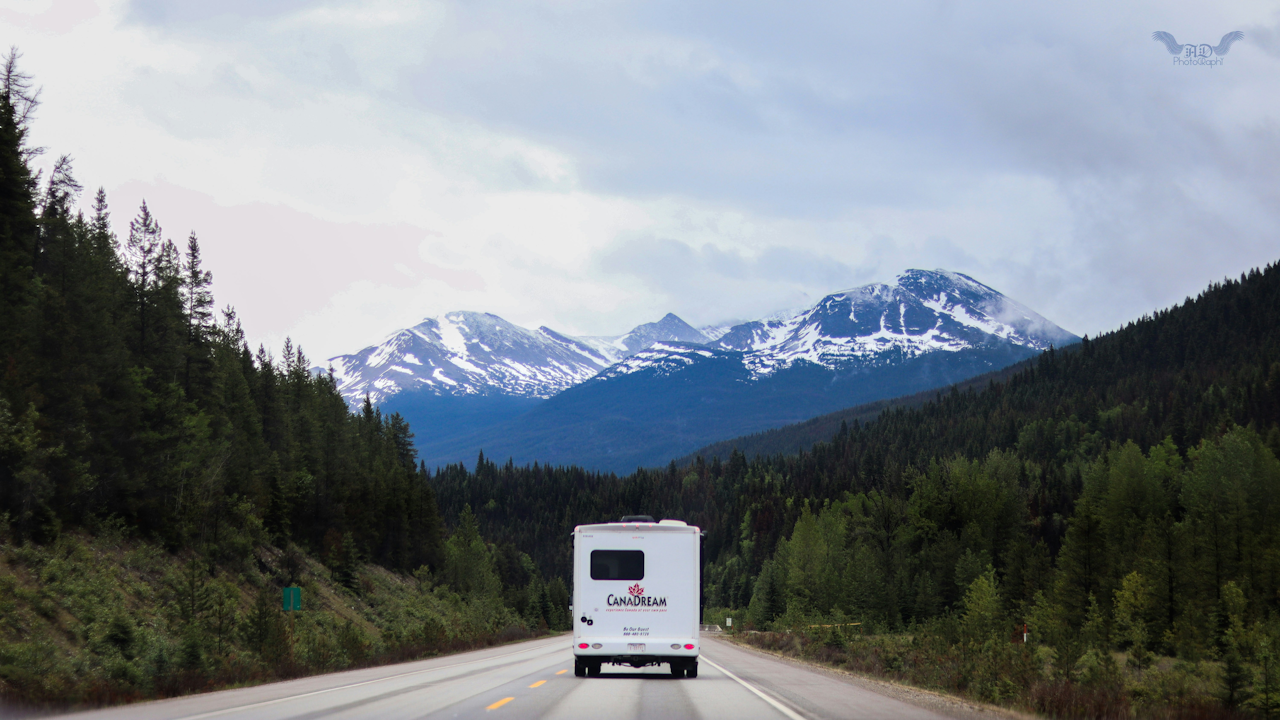
A road trip offers one of the purest forms of freedom on the open road. Unlike tightly scheduled flights or package tours, a road trip lets you set your own pace, stop when inspiration strikes, and create memories that unfold naturally. Yet many travellers return from these adventures feeling more exhausted than refreshed. The secret to a truly relaxed road trip lies in thoughtful preparation that prioritises comfort, flexibility, and enjoyment over rigid plans. This comprehensive guide outlines practical steps to organise a road trip that feels like a rejuvenating escape rather than a logistical marathon.
Choosing Your Destination and Route
Begin by selecting a destination that aligns with your desire for relaxation. Avoid routes packed with must-see attractions that demand constant driving or early starts. Instead, focus on regions known for scenic beauty, small towns, and natural wonders that invite lingering. Coastal drives, mountain passes, or countryside loops often work best because they allow frequent pauses without long detours.
Map your route with generous time buffers. Calculate the total distance, then divide it so that daily driving rarely exceeds four to six hours. This leaves ample room for spontaneous detours, leisurely lunches, or simply pulling over to watch a sunset. Use reliable mapping apps to identify alternative routes in case of traffic or weather changes, but print a physical map as backup. Mark potential overnight stops every 300 to 400 kilometres to prevent fatigue.
Consider the season carefully. Spring and autumn typically offer milder weather and fewer crowds, making them ideal for relaxed pacing. Summer brings longer daylight hours but also higher tourist volumes, while winter requires extra caution with shorter days and potential road hazards. Research local events or festivals that might enhance your journey without overwhelming it, such as a small-town harvest fair or a low-key music night.
Selecting the Right Vehicle
Your vehicle becomes your mobile home for the duration of the trip, so choose wisely. A reliable sedan or hatchback suffices for couples or small groups on paved roads, while families or those venturing off the beaten path may prefer a spacious SUV or crossover with higher ground clearance. Convertibles or campervans add a sense of adventure, but factor in their impact on fuel efficiency and storage.
Test-drive the vehicle before departure if it is rented or borrowed. Ensure it has comfortable seating with good lumbar support, ample legroom, and climate control that works reliably. Check the spare tyre, jack, and basic tools. If your own car is older, schedule a professional service check focusing on brakes, tyres, suspension, and fluid levels. For electric or hybrid vehicles, locate charging stations in advance using dedicated apps and build extra time into the schedule for recharging.
Budgeting Wisely
A relaxed road trip thrives when money worries stay in the rear-view mirror. Start by estimating total costs across categories: fuel, accommodation, food, attractions, and miscellaneous expenses. Fuel often represents the largest variable; calculate based on your vehicle’s average consumption and current prices along the route. Add a 20 percent buffer for unexpected tolls, parking fees, or price fluctuations.
Accommodation choices dramatically affect both budget and relaxation level. Mix free or low-cost options like campsites with occasional hotel stays for comfort. Booking platforms allow filtering by price and amenities such as free parking or breakfast. Aim to reserve only the first and last nights in advance; leave the rest flexible so you can extend a stay in a charming spot without financial stress.
Food expenses can balloon quickly. Allocate a daily budget that includes a combination of self-catering, picnics, and occasional restaurant meals. Stock a cooler with snacks and drinks to reduce impulse purchases at service stations, where prices are often inflated. Set aside a small emergency fund separate from the main trip budget, perhaps in cash, for unforeseen repairs or medical needs.
Packing Smartly for Comfort
Packing for relaxation means prioritising items that enhance comfort rather than cramming every possible gadget. Start with clothing that layers easily for changing weather: comfortable trousers, breathable tops, a lightweight jacket, and sturdy walking shoes. Include sleepwear, swimwear if relevant, and a couple of outfits suitable for nicer dinners. Avoid white or delicate fabrics that show dirt easily.
Create a dedicated “comfort kit” containing a neck pillow, eye mask, earplugs, and a soft blanket for napping during passenger shifts or at stops. A portable power bank, charging cables, and a multi-socket adapter keep devices alive without constant searching. For entertainment, pack physical books, a deck of cards, or a small Bluetooth speaker for music playlists curated in advance.
Organise luggage using packing cubes or clear plastic bins that slide easily in and out of the boot. Keep a day bag accessible with essentials: water bottles, sunscreen, insect repellent, first-aid supplies, wet wipes, and a rubbish bag. Place a small cooler within easy reach for cold drinks and fresh fruit. Remember a reusable shopping bag for market stops and a compact umbrella or rain poncho.
Vehicle Preparation and Safety Checks
Nothing disrupts relaxation faster than a breakdown in an unfamiliar area. One week before departure, conduct a thorough vehicle inspection. Check tyre pressure and tread depth, replace wiper blades if streaky, and top up all fluids. Test headlights, indicators, and brake lights. If towing a trailer or carrying roof racks, ensure everything is securely fastened and balanced.
Prepare an emergency roadside kit including jumper cables, a reflective warning triangle, a torch with spare batteries, a basic tool set, a first-aid kit, and a tyre pressure gauge. Include a phone charger that plugs into the cigarette lighter, a physical list of emergency contacts, and copies of insurance documents. For longer journeys, consider purchasing breakdown cover that includes towing and accommodation assistance.
Familiarise yourself with the vehicle’s manual, especially features like cruise control, lane-assist, or tyre-pressure monitoring. Practise loading and unloading luggage so the process becomes quick and effortless. If travelling with children or pets, install appropriate restraints and pack familiar items that help them settle quickly.
Planning Stops and Accommodations
Strategic stops transform a long drive into a series of pleasant interludes. Identify scenic viewpoints, historic towns, or nature reserves roughly every two hours of driving. These breaks allow legs to stretch, minds to refresh, and cameras to capture unplanned moments. Look for places with picnic tables, toilets, or short walking trails.
Accommodation planning should emphasise restful environments. Seek properties with comfortable beds, quiet locations, and outdoor space where possible. Campsites offer immersion in nature but require more preparation; glamping options provide luxury without sacrificing the outdoor feel. Motels along highways work well for late arrivals, while boutique guesthouses or farm stays add local character.
Book a few key stops in popular areas during peak season, but maintain flexibility elsewhere. Use apps that show real-time availability and reviews focused on cleanliness and noise levels. Aim for accommodations with free cancellation up to 24 hours before arrival. Upon checking in, unpack only essentials and create a small “home” corner with personal items to foster a relaxed atmosphere.
Meal Planning and Dining on the Go
Thoughtful food strategies keep energy levels steady and budgets intact. Prepare a simple breakfast kit consisting of instant oats, fruit, nuts, and a portable stove or electric kettle. Many accommodations provide refrigerators or microwaves; use them to store leftovers or fresh produce bought locally.
Picnic lunches offer the ultimate flexibility. Pack a collapsible cooler with sandwiches, salads, cheese, crackers, and fresh vegetables. Stop at farmers’ markets or roadside stalls for regional specialties that double as souvenirs. Keep non-perishable snacks such as trail mix, energy bars, and dried fruit within arm’s reach in the vehicle.
For evening meals, research casual local eateries known for relaxed atmospheres rather than fine dining. Many small towns have excellent diners or pubs serving hearty portions without pretension. If cooking is preferred, choose accommodations with kitchenettes and shop for ingredients that require minimal preparation. Always carry reusable cutlery, plates, and a sharp knife in a dedicated container to avoid single-use plastics.
Incorporate hydration as a priority. Refill water bottles at every opportunity and consider adding electrolyte packets for longer drives. Limit caffeine and sugary drinks that can cause energy crashes later in the day.
Incorporating Relaxation and Flexibility
The cornerstone of a relaxed road trip is the willingness to adjust plans. Build “free days” into the itinerary with no driving scheduled. These days allow sleeping in, exploring on foot, or simply sitting with a coffee watching the world go by. Treat the schedule as a loose framework rather than a strict timetable.
Establish daily routines that promote calm. Start mornings with gentle stretches or a short meditation. Play calming playlists or podcasts during drives rather than high-energy music that increases stress. Rotate driving duties fairly so no single person becomes fatigued. Encourage passengers to share navigation or music selection to distribute mental load.
Embrace the philosophy of “good enough.” If a planned viewpoint is crowded or weather turns poor, skip it without guilt. The goal is enjoyment, not ticking boxes. Keep a journal or voice notes to capture thoughts and feelings along the way; these reflections often become the most treasured souvenirs.
Technology and Connectivity
Modern technology can enhance relaxation when used mindfully. Download offline maps and route information before leaving reliable signal areas. Enable driving mode on smartphones to reduce notifications and distractions. Create shared digital photo albums so everyone can contribute images without needing constant internet.
Limit screen time inside the vehicle to preserve the journey’s immersive quality. Agree on phone-free periods or designate a single device for navigation only. Bring physical books, magazines, or travel games for entertainment during breaks. A portable Wi-Fi device or eSIM provides backup connectivity without relying on public networks.
For music and audiobooks, prepare multiple playlists sorted by mood: upbeat for mornings, mellow for afternoons, and podcasts for longer stretches. Test Bluetooth connectivity in advance to avoid frustration on the road.
Health, Safety, and Emergency Preparedness
Prioritise physical and mental wellbeing throughout the trip. Pack prescription medications with extras, plus over-the-counter remedies for headaches, motion sickness, allergies, and digestive issues. Include hand sanitiser, sunscreen with high SPF, and lip balm with SPF. A small sewing kit or duct tape can handle minor repairs to clothing or gear.
Stay alert to signs of driver fatigue. Schedule breaks every two hours, even if only for ten minutes of walking. Share driving so that no one exceeds four hours in a single stint. Keep the vehicle interior at a comfortable temperature and maintain fresh air circulation.
Inform a trusted contact at home of your general itinerary and expected check-in times. Share location via apps when signal allows. Carry physical copies of passports, driving licences, insurance details, and medical information in a waterproof pouch. Research local emergency numbers and healthcare facilities along the route.
For solo travellers, consider joining organised convoy groups for certain segments or staying in accommodations with good security ratings. Trust instincts; if a situation feels uncomfortable, leave without hesitation.
Sustainable Road Tripping
A relaxed road trip can also respect the environments being explored. Choose fuel-efficient vehicles or electric options where infrastructure supports them. Pack reusable containers, water bottles, and shopping bags to minimise waste. Dispose of rubbish responsibly and participate in local clean-up efforts when opportunities arise.
Support small businesses by purchasing locally produced food, crafts, and services. Offset carbon emissions through verified programs if desired, though the most meaningful impact comes from conscious daily choices. Respect wildlife by maintaining safe distances and never feeding animals. Stick to marked trails to protect fragile ecosystems.
Post-Trip Reflections and Maintenance
Upon returning home, take time to decompress. Unpack gradually and reflect on highlights through photos or journal entries. Note what worked well and what could be improved for future journeys. Service the vehicle promptly to address any issues noticed during travel.
Share experiences with fellow travellers through blogs, social media, or conversations. The stories and lessons gathered become part of the lasting joy of the trip. A well-organised relaxed road trip creates space for genuine connection with places, people, and oneself. By focusing on preparation that serves comfort rather than perfection, travellers return home restored, with memories that feel spacious and unhurried.
These guidelines provide a solid foundation, yet every road trip remains unique. Adapt them to personal preferences, group dynamics, and changing circumstances. The most important rule is simple: drive safely, travel lightly, and let the road surprise you in the best possible ways. With careful yet flexible planning, your next road trip can become the benchmark against which all future escapes are measured. Safe travels and happy wandering.