

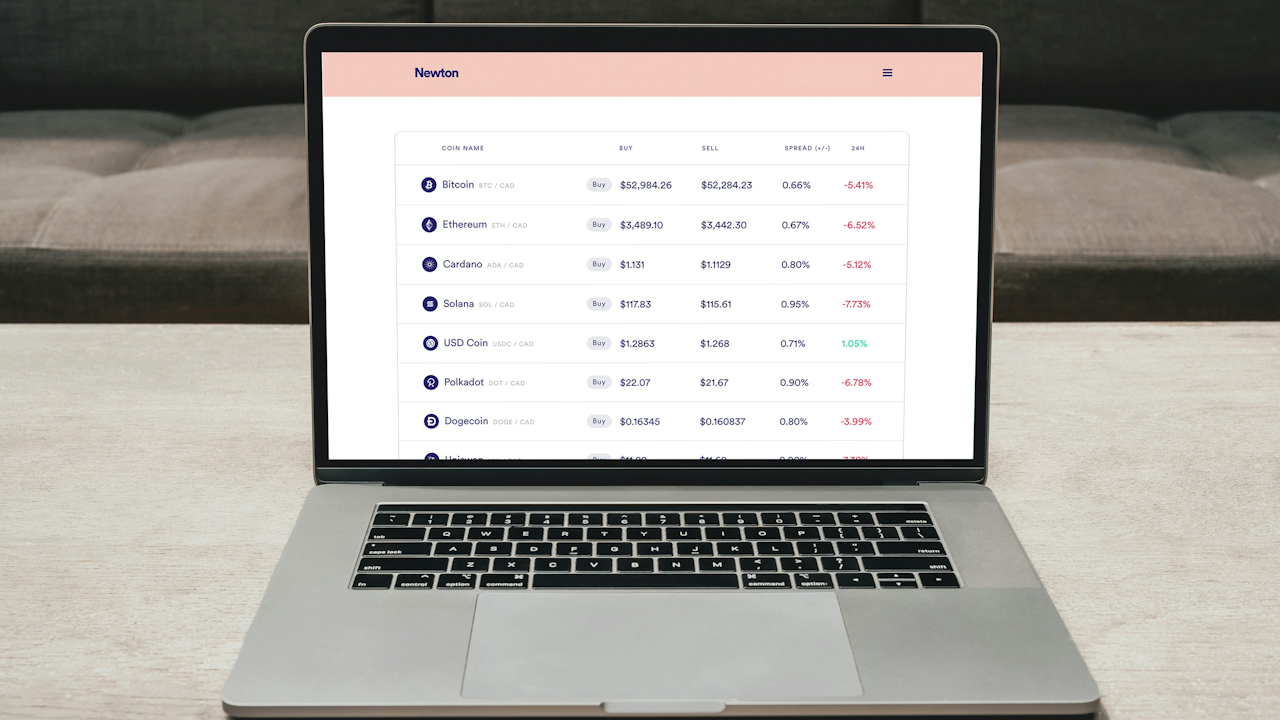
Cryptocurrency investing can seem intimidating with its wild price swings, complex technology, and constant news headlines. Many people worry about losing money, falling for scams, or making wrong decisions at the wrong time. This guide aims to change that perspective. It provides a calm, practical approach to entering the crypto space, focusing on strategies that minimize stress while building knowledge and confidence over time. Whether you are a complete beginner or have dabbled before, the emphasis here is on education, patience, and long-term thinking rather than quick riches.
Understanding the Basics of Cryptocurrency
Before investing a single dollar, it is essential to grasp what cryptocurrency actually is. At its core, crypto refers to digital assets that use cryptography for security and operate on decentralized networks called blockchains.
A blockchain is like a public digital ledger. It records transactions across many computers in a network, making the data transparent, secure, and nearly impossible to alter once added. Each “block” contains transaction data and links to the previous block, forming a chain. This structure eliminates the need for a central authority, such as a bank, to verify transactions.
Bitcoin, created in 2009 by an anonymous person or group known as Satoshi Nakamoto, was the first cryptocurrency. It is often compared to digital gold because of its limited supply of 21 million coins and its role as a store of value. Ethereum, launched in 2015, goes further. It is a programmable platform that supports smart contracts. These are self-executing agreements written in code that run automatically when conditions are met. Ethereum powers decentralized applications, including finance tools, games, and more. Its native token is Ether (ETH).
Other cryptocurrencies, called altcoins, serve various purposes. Some focus on faster transactions, privacy, or specific utilities. For beginners, it is wise to start with major established ones like Bitcoin and Ethereum before exploring others.
Why Consider Investing in Crypto?
Crypto offers potential benefits that attract investors. It provides diversification beyond traditional stocks and bonds. Its decentralized nature appeals to those seeking alternatives to centralized financial systems. Over the long term, Bitcoin has shown significant growth, though past performance does not guarantee future results.
In 2026, the market continues to mature with growing institutional adoption, clearer regulations in many places, and technological improvements. Applications in decentralized finance (DeFi), non-fungible tokens (though less hyped now), and blockchain for real-world uses like supply chain tracking add layers of utility.
For many, crypto represents an opportunity to participate in a transformative technology. However, it is not suitable for everyone. Only invest money you can afford to lose, as volatility remains high.
Recognizing the Risks
Honest assessment of risks helps reduce stress. Crypto prices can fluctuate dramatically in short periods due to news, market sentiment, or macroeconomic factors. Regulatory changes, security breaches, and scams are real concerns.
Common risks include:
- Volatility: Prices can drop sharply, testing emotional resilience.
- Security threats: Hacking of exchanges or personal wallets.
- Regulatory uncertainty: Governments worldwide are developing rules, which can impact values and operations.
- Scams: Fraudulent projects, phishing, and pump-and-dump schemes prey on newcomers.
In 2026, tax reporting requirements have tightened in many jurisdictions, including the United States with forms like 1099-DA for digital asset transactions. Failing to report can lead to penalties.
Understanding these risks upfront allows for better preparation rather than panic during downturns.
Building a Stress-Free Investment Strategy
The key to low-stress crypto investing is adopting disciplined, simple approaches that remove the need for constant monitoring or market timing.
Dollar-Cost Averaging (DCA): This is one of the most recommended strategies for beginners. Instead of investing a large sum at once, you buy a fixed dollar amount of crypto at regular intervals, such as weekly or monthly. This averages out your purchase price over time, buying more when prices are low and less when high. It reduces the emotional burden of trying to predict market movements.
Many exchanges offer automated DCA features, allowing you to set it and largely forget it.
Long-Term Holding (HODLing): This involves buying quality assets and holding them for years, ignoring short-term noise. It suits those who believe in the underlying technology’s growth. Focus on Bitcoin and Ethereum as core holdings for a beginner portfolio.
Diversification: Do not put everything into one coin. A simple portfolio might include 50-70 percent Bitcoin, 20-30 percent Ethereum, and smaller portions in other established projects. Rebalance occasionally but avoid frequent trading.
Start Small: Begin with an amount that feels comfortable, perhaps just 1-2 percent of your investable assets. Learn as you go.
Risk Management: Set clear rules, such as never investing more than you can lose and using stop-loss orders sparingly if at all for long-term strategies. Keep detailed records for taxes from the beginning.
Choosing the Right Platforms and Security Practices
Select reputable, regulated exchanges for buying crypto. Look for platforms with strong security, user-friendly interfaces, and insurance funds where possible. Popular options include those with good track records and compliance features.
Once purchased, move your crypto off exchanges into personal wallets for better security. Hardware wallets, which store keys offline, are ideal for larger amounts. Software wallets work for smaller holdings. Always enable two-factor authentication and never share private keys or seed phrases.
Avoid clicking suspicious links or responding to unsolicited messages promising high returns. Education on phishing is crucial.
Common Mistakes to Avoid
Many beginners fall into traps that increase stress:
- FOMO (Fear of Missing Out): Buying during hype without research.
- Panic selling during dips.
- Investing without understanding the technology or project.
- Over-leveraging with borrowed money or futures trading.
- Ignoring fees, which can eat into returns with frequent trades.
Patience and sticking to a plan help overcome these.
Tax and Legal Considerations in 2026
Crypto is treated as property in many places for tax purposes. Selling, trading, or using crypto can trigger capital gains taxes. Short-term holdings (under one year) are often taxed at ordinary income rates, while long-term holdings may qualify for lower rates.
Track every transaction, including cost basis (purchase price). Tools and software can help automate this. Consult a tax professional familiar with digital assets, especially with new reporting requirements rolling out. Regulations vary by country, so stay informed about local rules.
Tools and Resources for Ongoing Learning
Reliable sources include official project websites, established financial news outlets, and educational platforms. Books and beginner courses on blockchain basics are valuable. Community forums can offer insights but verify information carefully to avoid misinformation.
Portfolio trackers help monitor holdings without obsession. Set alerts for major news only rather than constant price checks.
The Future Outlook
As of 2026, crypto continues evolving with potential for broader adoption in payments, decentralized systems, and integration with traditional finance. Technological upgrades, such as Ethereum’s improvements for scalability, and clearer global frameworks could support growth. However, challenges like energy use, scalability, and regulation persist.
A stress-free approach views crypto as one part of a broader financial plan, not the entire solution.
Conclusion
Investing in crypto without stress is achievable through education, simplicity, and discipline. Start by learning the fundamentals, use strategies like dollar-cost averaging, prioritize security, and maintain a long-term perspective. Treat it as a marathon, not a sprint. Diversify, stay patient during volatility, and continuously learn.
Crypto is not a get-rich-quick scheme but a maturing asset class with real innovation behind it. By focusing on what you can control, such as your research, allocation, and habits, you can participate thoughtfully. Always remember to invest responsibly and seek professional advice for your specific situation. With a calm mindset, the crypto journey can be educational and potentially rewarding over time.