

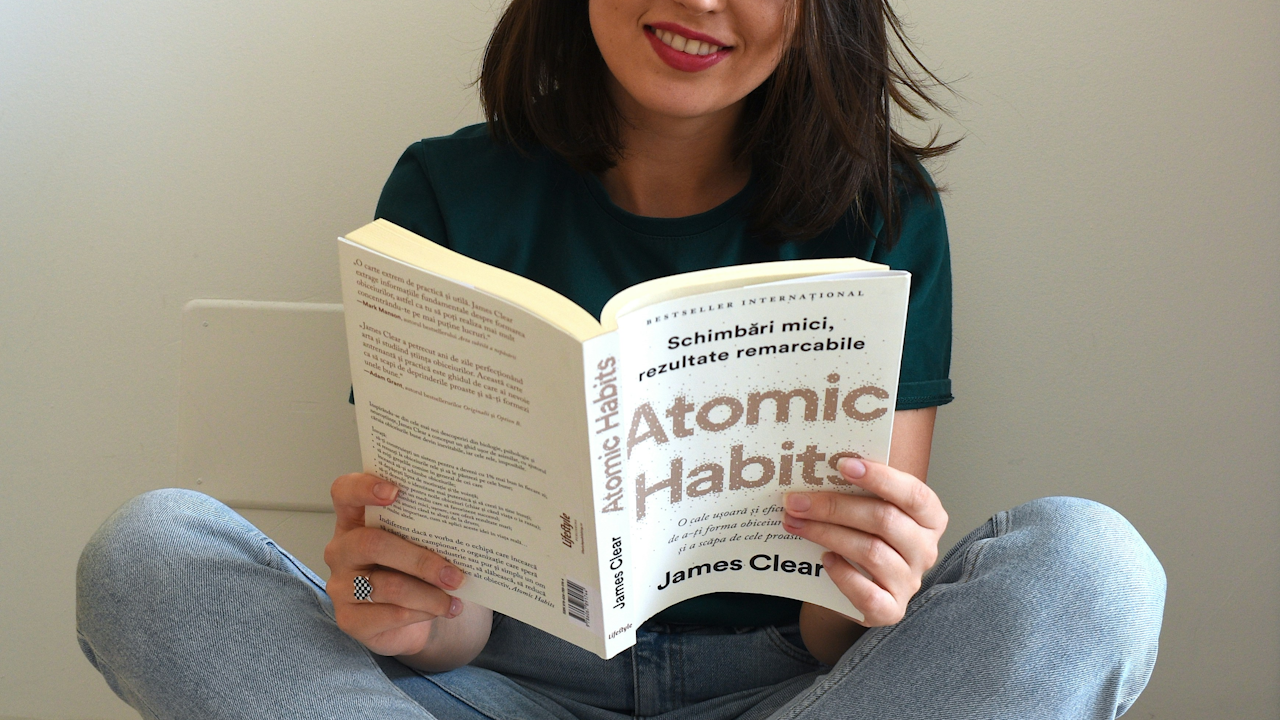
Habits shape our daily lives more than we often realize. From brushing our teeth in the morning to checking our phones before bed, repeated behaviors become automatic and influence our health, productivity, happiness, and long-term success. Starting a new habit can feel overwhelming at first, but with the right approach, anyone can build positive routines that last. This comprehensive guide walks you through the process step by step, drawing on proven psychological principles and practical strategies. Whether you want to exercise regularly, read more books, eat healthier, or learn a new skill, these methods will help you begin strong and maintain momentum.
Why Habits Matter
Before diving into the how, it helps to understand the why. Good habits compound over time. Small daily actions lead to remarkable results months or years later. For example, reading ten pages every day can result in finishing dozens of books in a year. Regular exercise improves not only physical fitness but also mental clarity and energy levels.
Bad habits work the same way but in the opposite direction. They drain resources and create regret. The good news is that habits are not destiny. They can be changed with intention and consistent effort. Research in behavioral psychology shows that habits form through repetition in a stable context. Once established, they require less willpower because they run on autopilot.
Understanding this frees you from the myth that change demands constant motivation. Motivation fluctuates, but systems and environments endure.
The Science of Habit Formation
Habits follow a basic loop: cue, craving, response, and reward. This model, popularized by Charles Duhigg in “The Power of Habit,” explains how behaviors become automatic.
- Cue: A trigger that tells your brain to go into automatic mode. It could be a time of day, location, emotional state, or preceding action.
- Craving: The motivational force behind the habit. This is the desire for the reward.
- Response: The actual behavior or thought you perform.
- Reward: The satisfaction that reinforces the loop and helps your brain remember the pattern for next time.
To build a new habit, you need to design each element of this loop deliberately. James Clear, author of “Atomic Habits,” expands on this with four laws of behavior change: make it obvious, make it attractive, make it easy, and make it satisfying.
Step 1: Choose the Right Habit
Start by selecting a habit that aligns with your goals and values. Vague goals like “get fit” lead to vague actions. Instead, choose specific behaviors such as “walk for twenty minutes after dinner” or “write three hundred words every morning.”
Consider these questions:
- What small change would have the biggest positive impact?
- Is this habit realistic given your current schedule and energy levels?
- Does it excite you or feel like a chore?
Begin with habits that take less than two minutes to complete. The two-minute rule reduces friction and builds confidence. For instance, instead of “run five kilometers,” start with “put on running shoes.” Once the habit is established, you can scale it up.
Step 2: Make the Habit Obvious
Your environment shapes your behavior more than willpower does. Design your surroundings to support the new habit.
- Habit stacking: Attach the new habit to an existing one. Use the formula: “After [current habit], I will [new habit].” Examples include “After I pour my morning coffee, I will meditate for one minute” or “After I finish dinner, I will read one page.”
- Visual cues: Place reminders where you cannot miss them. Put a book on your pillow if you want to read before bed. Leave workout clothes on your chair.
- Time and place: Anchor the habit to a specific time and location. Consistency in context helps the brain wire the behavior faster.
Track your current habits for a few days to identify natural anchors. Many people discover they already have dozens of automatic routines they can build upon.
Step 3: Make the Habit Attractive
We are more likely to repeat behaviors that feel rewarding or align with our identity. To boost appeal:
- Join a group: Surround yourself with people who already practice the habit. A running club, book group, or online community provides social accountability and makes the process enjoyable.
- Pair with rewards: Use temptation bundling. Listen to your favorite podcast only while exercising or drinking a special tea only while journaling.
- Reframe identity: Shift from “I want to exercise” to “I am a healthy person.” Identity-based habits create stronger motivation because actions reinforce who you believe you are.
Dopamine plays a key role here. Anticipation of reward drives action. Make the beginning of your habit associated with positive feelings.
Step 4: Make the Habit Easy
Friction kills habits. Reduce obstacles as much as possible.
- Start tiny: Commit to the smallest possible version. Two push-ups instead of a full workout. One sentence in a journal instead of three pages. Momentum builds from consistency, not intensity.
- Prepare your environment: Set out everything you need in advance. Meal prep for healthy eating. Charge your guitar and leave it on a stand for practice.
- Use the two-minute rule: Scale any habit down to something that takes two minutes or less. This lowers the activation energy required to start.
- Automate where possible: Use apps with reminders, habit trackers, or subscription services that deliver necessary supplies.
The goal in early stages is repetition, not perfection. Missing one day is normal. Missing two days in a row risks breaking the chain.
Step 5: Make the Habit Satisfying
Immediate rewards reinforce behavior. Since many good habits deliver benefits later, create instant positive feedback.
- Track your progress: Use a simple calendar or app to mark completed days. The “don’t break the chain” method creates visual satisfaction.
- Celebrate small wins: After completing the habit, acknowledge it. Say “well done” out loud or note it in a journal. Share progress with a friend.
- Reward systems: Create non-food rewards that support your goals. Buy a new book after thirty days of reading daily.
- Accountability partners: Share your goals with someone who will check in regularly. Social consequences add extra motivation.
Review your progress weekly. Adjust what is not working rather than abandoning the effort.
Building Consistency Over Time
Consistency matters more than intensity. Aim for daily practice, even if minimal. Research suggests it takes an average of sixty-six days for a habit to become automatic, though this varies widely depending on the person and behavior.
Strategies for long-term sticking power:
- Habit contracts: Write a formal agreement with yourself or a partner outlining the habit, consequences for missing it, and rewards for success. Make it public for stronger commitment.
- Environment redesign: Continuously optimize your surroundings. Remove cues for bad habits while strengthening cues for good ones.
- Mindset shifts: View setbacks as data, not failure. Analyze what caused a missed day and plan for similar situations in the future.
- Plateau management: When progress slows, introduce variety or increase difficulty gradually to maintain engagement.
Common Pitfalls and How to Overcome Them
Many people fail at habit change for predictable reasons. Awareness helps you navigate them.
- Trying to change too much at once: Overwhelm leads to burnout. Focus on one or two habits maximum until they feel solid.
- Relying on motivation: Motivation is unreliable. Build systems instead. Schedule habits like important meetings.
- All-or-nothing thinking: One missed day does not ruin everything. Resume immediately without self-criticism.
- Poor environment: If your space encourages distraction, change it. For example, keep your phone in another room during focused work.
- Unrealistic expectations: Habits take time. Celebrate early consistency rather than demanding instant transformation.
- Ignoring context: Stress, travel, or life changes can disrupt routines. Have backup plans, such as shorter versions of the habit for busy days.
Advanced Techniques for Habit Mastery
Once basic habits are in place, layer on more sophisticated approaches.
- Implementation intentions: Use if-then planning. “If it is 7 AM, then I will start my workout.” This prepares your brain for action.
- Habit scoring: Rate your day on key habits with a simple 1-10 scale. Review trends monthly.
- Reflection and review: Monthly or quarterly, assess what is working. Update your systems as your life evolves.
- Keystone habits: Some habits trigger positive changes across multiple areas. Exercise often improves sleep, eating, and productivity. Identify yours through experimentation.
- Breaking bad habits: Invert the four laws. Make bad habits invisible, unattractive, difficult, and unsatisfying.
Technology can support but should not replace personal responsibility. Use habit-tracking apps like Streaks, Habitica, or simple spreadsheets. Set phone reminders thoughtfully to avoid notification fatigue.
Real-Life Examples
Consider Sarah, who wanted to build a meditation practice. She started with one minute after brushing her teeth each morning. She placed her meditation cushion visibly and joined an online group for accountability. Within three months, her sessions extended naturally to fifteen minutes, and she reported better focus and reduced anxiety.
Or Michael, aiming to write more. He used habit stacking by writing one paragraph after his morning coffee. He tracked streaks on a wall calendar and rewarded himself with a nice notebook after consistent weeks. Six months later, he completed his first draft of a novel.
These stories show that sustainable change comes from small, repeated actions rather than dramatic overhauls.
Maintaining Motivation Through Challenges
Life will inevitably interfere. Family obligations, work deadlines, illness, or travel can interrupt progress. Prepare flexible responses:
- Have minimum viable habits for tough days.
- Focus on identity rather than outcomes. Ask “What would a disciplined person do?”
- Practice self-compassion. Harsh self-talk reduces future motivation.
- Recommit publicly or in writing when you slip.
Remember that perfect consistency is rare. The people who succeed long-term are those who return to the habit quickly after disruptions.
Conclusion: Your Habit Journey Begins Now
Starting a new habit and making it stick is a skill anyone can learn. It requires patience, experimentation, and a focus on systems over goals. By making habits obvious, attractive, easy, and satisfying, you set yourself up for success.
Begin today with one small action. Choose your habit, identify an anchor point in your routine, and commit to the first repetition. Track it, celebrate it, and build from there. Over time, these deliberate practices will transform into automatic behaviors that support the life you want to live.
The journey of personal growth happens one habit at a time. Stay consistent, stay curious about what works for you, and enjoy the process of becoming the person you aspire to be. Your future self will thank you for the effort you invest today.