

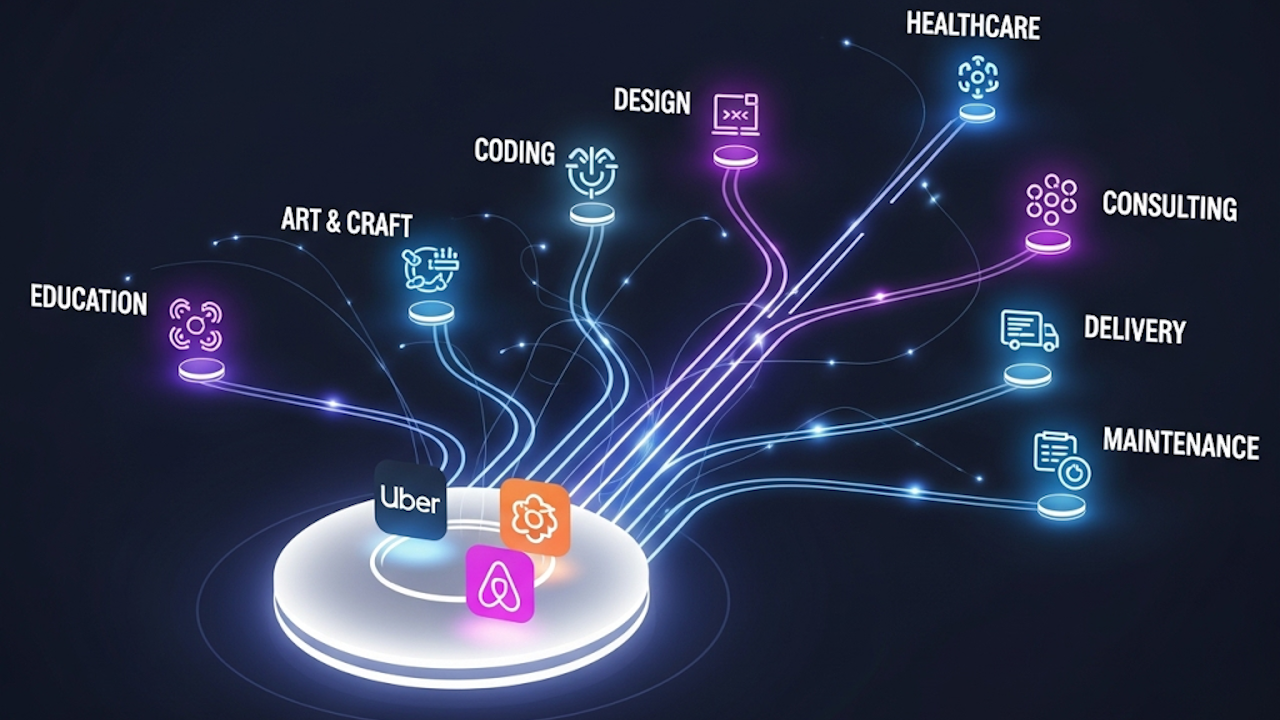
The gig economy has transformed how people work, consume services, and interact with markets. What began with a handful of high-profile platforms has expanded into a multifaceted ecosystem that touches nearly every aspect of daily life and business. While Uber and Airbnb remain iconic examples, gig platforms today extend far beyond ride-sharing and short-term rentals. They now encompass specialized services in professional work, healthcare, education, logistics, creative industries, and even sustainability efforts. This evolution reflects broader shifts in technology, labor preferences, and consumer expectations.
The Foundations of the Gig Model
Gig platforms operate on a core principle: connecting independent workers with customers through digital marketplaces. This model emphasizes flexibility, scalability, and efficiency. Uber revolutionized urban transportation by allowing anyone with a car to become a driver. Airbnb did the same for lodging by turning spare rooms into hotel alternatives. Both companies demonstrated that technology could lower barriers to entry, reduce transaction costs, and create new income streams.
Early success stemmed from smartphone adoption, GPS technology, and rating systems that built trust between strangers. These platforms also benefited from network effects. More drivers attracted more riders, and more hosts drew more guests. Valuation soared as investors recognized the potential to disrupt traditional industries. Yet the model was not without criticism. Debates over worker classification, benefits, and market dominance quickly emerged.
As these foundational platforms matured, the gig concept spread. Companies realized that the same infrastructure, algorithms, and user interfaces could apply to almost any service that could be broken into discrete tasks. The result has been a proliferation of platforms tailored to specific needs and verticals.
Expansion into New Sectors
One of the most visible expansions has occurred in food delivery. Platforms like DoorDash, Grubhub, and Deliveroo built on Uber’s model but focused on restaurant partnerships. Drivers or cyclists pick up meals rather than passengers. This sector exploded during the COVID-19 pandemic as lockdowns increased demand for contactless service. What started as a convenience became essential infrastructure for many restaurants struggling with dine-in restrictions.
Freelance and professional services represent another major growth area. Upwork, Fiverr, and Freelancer connect businesses with writers, designers, programmers, marketers, and consultants worldwide. These platforms have democratized access to global talent. A small business in a rural area can now hire a specialized graphic designer from another continent for a one-off project. The model suits knowledge workers who value project-based work over traditional employment.
Home services and local tasks have also thrived. TaskRabbit allows users to hire people for furniture assembly, moving help, or errands. Angi (formerly Angie’s List) and similar sites facilitate bookings for plumbers, electricians, and cleaners. These platforms address the fragmentation of local service markets by providing centralized booking, payment processing, and quality assurance.
Healthcare gig work has emerged as a growing category. Platforms connect nurses, therapists, and caregivers with short-term assignments in hospitals, clinics, or private homes. This addresses staffing shortages while giving medical professionals control over their schedules. Similar models exist in education, where tutors and instructors offer lessons through platforms like VIPKid or Preply.
Logistics and delivery have broadened beyond food. Companies like Amazon Flex allow independent contractors to deliver packages using their own vehicles. Specialized platforms handle everything from same-day grocery runs to international shipping coordination. In agriculture, gig-style apps connect farmers with seasonal workers for harvesting or equipment operation.
Creative and entertainment sectors have adopted gig principles too. Musicians, filmmakers, and artists use platforms to crowdfund projects, license work, or find collaborators. Stock photography sites and music licensing marketplaces operate on gig economics. Virtual services have expanded into areas like social media management, virtual assistance, and even pet sitting or dog walking through apps like Rover.
Technological Drivers of Evolution
Several technologies have propelled gig platforms beyond their original forms. Artificial intelligence plays a central role in matching workers with opportunities. Advanced algorithms consider location, skills, availability, ratings, and even predicted demand patterns. Machine learning improves pricing strategies, reducing surges during peak times and optimizing earnings.
Blockchain and smart contracts offer potential solutions to trust and payment issues. Decentralized platforms could allow workers to retain more control over their data and earnings without intermediaries taking large cuts. Some experimental projects explore peer-to-peer gig networks where reputation scores live on distributed ledgers.
Mobile technology continues to advance with better mapping, real-time communication, and augmented reality features. AR could help repair technicians visualize fixes or allow interior designers to preview arrangements in clients’ homes. Voice interfaces and improved accessibility features make platforms usable for wider demographics.
Data analytics has become sophisticated. Platforms collect vast amounts of information on user behavior, market trends, and performance metrics. This data helps refine services but also raises privacy concerns. Ethical data use and transparency will determine long-term success.
Integration with other technologies creates hybrid models. Electric vehicle platforms might combine ride-sharing with energy management. Some companies experiment with drone deliveries or autonomous vehicles, though regulatory hurdles remain significant.
Economic and Social Implications
The expansion of gig platforms has created both opportunities and challenges. On the positive side, they provide flexible income sources for millions. Students, retirees, parents, and those with disabilities can work on their own terms. In regions with high unemployment or limited traditional jobs, gig work fills important gaps.
Entrepreneurship has been stimulated. Many workers use gig income to fund side businesses or transitions. The low barrier to entry allows experimentation with different services without heavy upfront investment.
However, concerns about stability persist. Gig workers often lack employer-provided health insurance, retirement plans, or paid leave. Income can fluctuate dramatically based on demand, weather, or algorithm changes. Classification battles continue in courts and legislatures worldwide as workers seek employee status while companies emphasize independence.
Regulatory responses vary. Some jurisdictions have passed laws requiring minimum earnings guarantees or benefits contributions. Others focus on safety standards, background checks, and tax compliance. Platform companies have adapted by offering optional benefits packages or partnering with insurers.
Social impacts extend to community dynamics. Short-term rentals can strain housing markets in popular cities, driving up prices and reducing long-term availability. Ride-sharing has reduced drunk driving incidents in some areas but increased traffic congestion in others. Local businesses sometimes struggle against platform competition that operates with different cost structures.
Diversity and inclusion represent mixed outcomes. Platforms can provide opportunities to underrepresented groups, yet biases in ratings or algorithms can create disadvantages. Efforts to address these issues include better moderation, anonymous options, and bias-detection tools.
Emerging Trends and Innovative Models
Several trends point to the next phase of gig platform evolution. Specialization is increasing. Rather than generalist apps, niche platforms target specific professions or needs. Examples include platforms exclusively for lawyers, accountants, or language interpreters.
Sustainability-focused gigs are gaining traction. Platforms connect users with eco-friendly services such as electric vehicle charging assistance, recycling coordination, or carbon offset projects. Some integrate circular economy principles by facilitating repair, resale, or upcycling services.
B2B gig platforms serve businesses directly. Companies can access on-demand warehousing, IT support, or sales teams without full-time hires. This model supports rapid scaling for startups and seasonal adjustments for established firms.
Globalization continues but with localization elements. Platforms adapt to regional regulations, payment preferences, and cultural norms. Cross-border gigs require solutions for currency conversion, language barriers, and legal differences.
Cooperative and worker-owned platforms challenge traditional venture-backed models. These alternatives prioritize fairer revenue sharing and democratic governance. While smaller in scale, they demonstrate alternative possibilities for the gig economy.
Hybrid physical-digital experiences are emerging. Virtual reality platforms could enable remote gig work in simulated environments, from virtual architecture tours to remote surgery assistance. The metaverse, despite current hype cycles, may eventually host new forms of gig activity.
Challenges on the Horizon
Despite growth, gig platforms face substantial obstacles. Market saturation in some sectors leads to intense competition and downward pressure on earnings. Worker burnout is common among those juggling multiple platforms to maintain income.
Technological unemployment remains a concern. Automation could displace certain gig roles, particularly in driving or routine delivery. At the same time, new gigs may emerge around maintaining, training, or overseeing automated systems.
Cybersecurity and fraud pose ongoing risks. Sophisticated scams target both workers and customers. Platforms must invest heavily in verification, insurance, and dispute resolution.
Public perception shifts as the novelty wears off. Users increasingly demand reliability comparable to traditional services while expecting the convenience and pricing of gig models. Balancing these expectations requires continuous innovation.
Environmental impact requires attention. Increased vehicle miles from delivery and ride services contribute to emissions. Platforms are responding with incentives for electric vehicles, bicycles, or consolidated trips, but systemic change will take time.
The Future Landscape
Looking ahead, gig platforms are likely to become even more embedded in economic systems. They may evolve from standalone marketplaces into integrated service layers within broader digital ecosystems. Partnerships with traditional companies could create hybrid offerings that combine gig flexibility with institutional reliability.
Policy will play a crucial role. Governments that successfully balance innovation with worker protections may see stronger, more sustainable gig sectors. International coordination could address cross-border issues more effectively.
For workers, the future may involve greater portability of benefits and reputation across platforms. Universal basic services or portable benefits systems could reduce some risks associated with independent work.
Consumers will likely benefit from continued choice and customization. Services could become more predictive, with platforms anticipating needs based on patterns and preferences while respecting privacy.
Ultimately, the evolution beyond Uber and Airbnb demonstrates the adaptability of the gig model. What began as a disruption to specific industries has become a fundamental way of organizing economic activity. As technology advances and societies adapt, gig platforms will continue to reshape work, consumption, and community structures.
The key to positive outcomes lies in thoughtful design, ethical governance, and inclusive growth. Platforms that prioritize long-term value creation over short-term extraction will thrive. Workers and users who engage critically and strategically will navigate the opportunities most successfully. The gig economy’s next chapter promises continued transformation across industries and borders.