

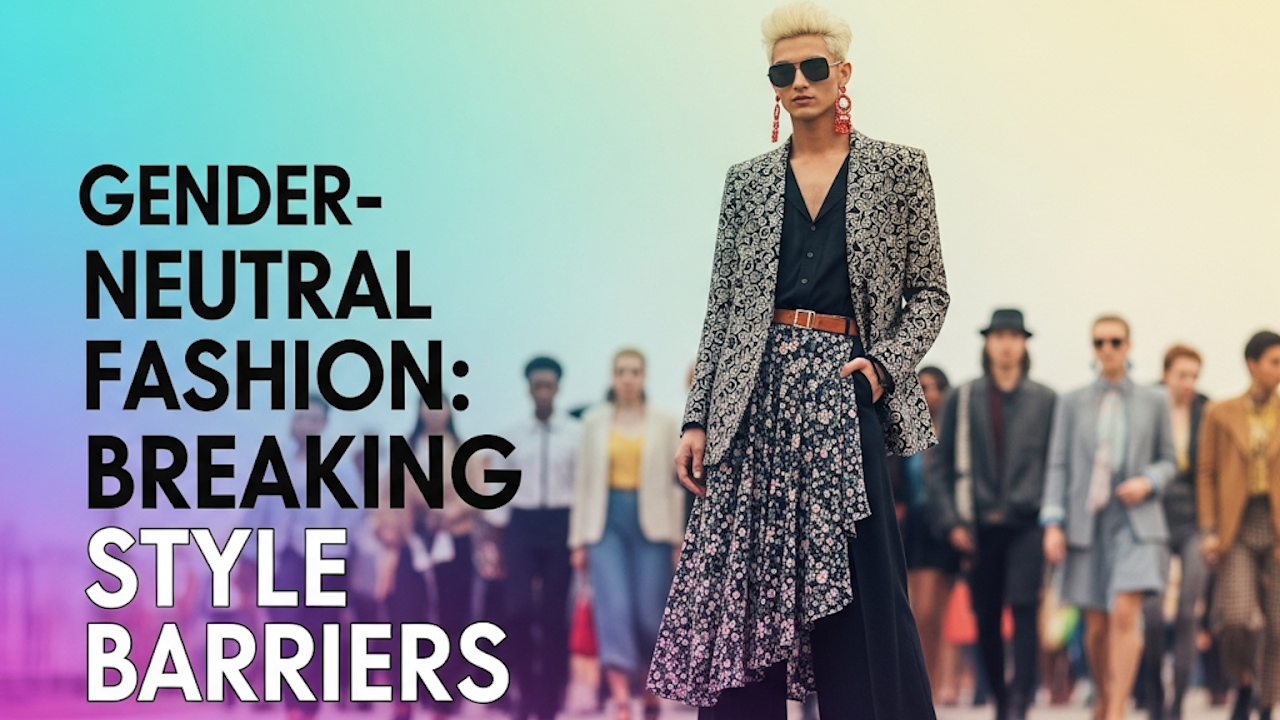
In today’s evolving cultural landscape, fashion serves as more than a means of covering the body or following trends. It has become a platform for personal identity, self-expression, and social change. Gender-neutral fashion stands at the forefront of this transformation, challenging the rigid divisions that have long separated menswear from womenswear. This approach emphasizes clothing designed for all bodies and identities, free from binary labels. It promotes inclusivity by focusing on fit, comfort, and style rather than prescribed gender roles. As society grapples with questions of gender fluidity and equality, gender-neutral fashion breaks style barriers, inviting everyone to dress in ways that feel authentic. The movement reflects broader shifts in consumer values, particularly among younger generations who prioritize versatility and representation over tradition.
The history of gender-neutral fashion reveals a pattern of rebellion against established norms. Although the term unisex gained popularity in 1968 through American media, its origins stretch further back. In the late 19th century, Victorian dress reform movements advocated for practical clothing that rejected restrictive corsets and heavy skirts for women. These efforts laid early groundwork for garments that prioritized function over gendered appearance. By the 1920s, the flapper era introduced androgynous elements, with figures like Coco Chanel designing simpler silhouettes that allowed greater freedom of movement. The 1960s marked a significant surge, fueled by youth culture, the hippie movement, and second-wave feminism. Paris designers such as Pierre Cardin, Andre Courreges, and Paco Rabanne introduced space-age styles featuring sleek lines, synthetic fabrics, and minimal ornamentation intended for both men and women. Department stores in the United States briefly created unisex sections, though the trend evolved into more commercial his-and-hers pairings by the 1970s. The 1980s saw women entering corporate roles in power suits that borrowed from menswear, further blurring lines. These historical moments demonstrate that gender-neutral fashion has repeatedly arisen during periods of social upheaval, serving as both a symptom and a catalyst for change.
The contemporary resurgence of gender-neutral fashion accelerated in the 2010s and has solidified by 2026. Social media platforms amplified visibility, while advocacy from LGBTQ+ communities and Gen Z consumers drove demand. Reports indicate that around half of Gen Z shoppers globally have already purchased items outside traditional gender categories, with nearly 70 percent expressing future interest in gender-fluid options. This demographic power, combined with sustainability concerns, has pushed the industry forward. The global genderfluid clothing market is projected to reach 3.35 billion dollars in 2026 and expand to 8.7 billion dollars by 2035, growing at a compound annual rate of 10.2 percent. Brands now recognize that inclusive design not only meets ethical standards but also taps into profitable new markets.
Key characteristics define gender-neutral fashion today. Silhouettes tend toward fluidity and adaptability, featuring oversized shirts, tailored trousers with adjustable waists, minimalist jackets, and boxy knits that flatter a range of body types. Neutral color palettes dominate, though bold accents such as sequins on structured blazers or lace paired with sharp tailoring add glamour without gender specificity. Fabrics play a central role, with sheer materials contrasting structured elements, raw denim in straight-leg cuts, chore jackets, and versatile shorts appearing across collections. The emphasis lies on versatility: a single piece might transition from casual to formal through simple styling choices. Runway presentations for spring and summer 2026 highlighted this dissolution of categories, with new creative directors at major houses embracing creative freedom over binary constraints. Romantic softness meets precise tailoring, resulting in pieces that feel both powerful and approachable.
Several designers and brands have led the charge in mainstreaming these ideas. Alessandro Michele’s tenure at Gucci earlier in the decade popularized eclectic, boundary-crossing looks that influenced countless followers. Today, independent labels such as Neutrale offer timeless essentials crafted from organic and recycled materials in Spain and Portugal, prioritizing how garments feel on the body over appearance. TomboyX focuses on comfortable, inclusive basics with a B-corp certification for ethical practices. WILDFANG and Big Bud Press provide climate-neutral options that cater to everyday wardrobes, while Kirrin Finch specializes in tailored suits and blazers designed to fit diverse proportions accurately. Telfar has gained cult status for unisex apparel and accessories that celebrate community and accessibility. Emerging names like k.ngsley and Marrakshi Life emphasize liberation for marginalized communities through one-of-a-kind pieces that promote self-determination. Even established retailers such as Uniqlo have expanded unisex lines with practical items that appeal across identities. Luxury houses including Louis Vuitton and others have incorporated gender-neutral silhouettes, responding to consumer calls for comfort and versatility.
Celebrities and influencers have played a pivotal role in normalizing gender-neutral style. Figures like Harry Styles have appeared in lace and ruffled gowns alongside traditional tailoring, sparking widespread conversations about fluidity. Janelle Monae consistently showcases top hats and modern-art-inspired ensembles that defy categorization. Billy Porter and others bring red-carpet glamour to androgynous silhouettes, proving that elegance transcends gender. Non-binary artists and actors, including those who favor oversized suits or mixed elements, further illustrate how personal style can reject binaries entirely. These public examples encourage everyday individuals to experiment without fear of judgment, turning runways and social feeds into spaces of possibility.
The benefits of gender-neutral fashion extend far beyond aesthetics. It expands market reach by appealing to a broader clientele, allowing brands to reduce waste through fewer specialized lines. Consumers gain freedom to express individuality, focusing on what clothing communicates about their inner world rather than external expectations. Inclusivity fosters belonging, particularly for those whose bodies or identities fall outside traditional sizing systems. Environmentally, versatile designs promote longevity and mindful consumption, aligning with sustainability goals. Psychologically, the approach supports mental well-being by validating diverse expressions of self. As one analysis notes, this shift celebrates how garments make people feel instead of enforcing appearance standards.
Challenges remain, however, as the industry adapts. Sizing presents a primary hurdle; traditional measurement grids often fail to accommodate the full spectrum of body shapes, requiring new approaches to pattern-making and production. Manufacturing becomes more complex when creating adaptable fits that maintain quality across variations. Retail environments must evolve, with stores rethinking segregated sections and marketing strategies that avoid gendered language. Some brands face pushback from consumers accustomed to binary options, while supply chains struggle to scale inclusive designs without increasing costs. Despite these obstacles, progress continues as technology aids in custom fitting and data from diverse populations informs better practices.
Global perspectives highlight the movement’s adaptability. In Western markets, emphasis falls on personal empowerment and commercial viability. In other regions, cultural traditions influence interpretations, blending local textiles with fluid silhouettes to create hybrid styles that respect heritage while advancing modernity. Urban centers worldwide serve as testing grounds, where street style mixes elements freely. Educational initiatives and collaborations between designers and activists accelerate acceptance, ensuring the trend resonates across borders rather than remaining a niche Western phenomenon.
Looking ahead, gender-neutral fashion appears poised to become the default rather than an alternative. With 2026 runways signaling a new chapter under fresh leadership, the dissolution of categories feels permanent. Luxury segments increasingly adopt these principles for their emphasis on comfort and self-expression, while fast-fashion retailers integrate them to meet mass demand. Innovations in materials and digital design will likely streamline production of truly universal garments. As younger consumers mature into primary spenders, pressure for inclusivity will only intensify. The ultimate outcome may be a fashion ecosystem where labels like menswear or womenswear fade, replaced by descriptors centered on style, function, and emotion.
Gender-neutral fashion has evolved from occasional rebellion to a sustained force that dismantles outdated barriers. It invites reflection on how clothing shapes identity and community. By prioritizing inclusivity, versatility, and creativity, this movement enriches the industry and empowers individuals to define style on their own terms. As barriers continue to crumble, the future of fashion looks boundless, open to every body and every story. The clothes we wear will increasingly mirror the complexity of human experience, proving that true elegance lies in freedom rather than restriction.