

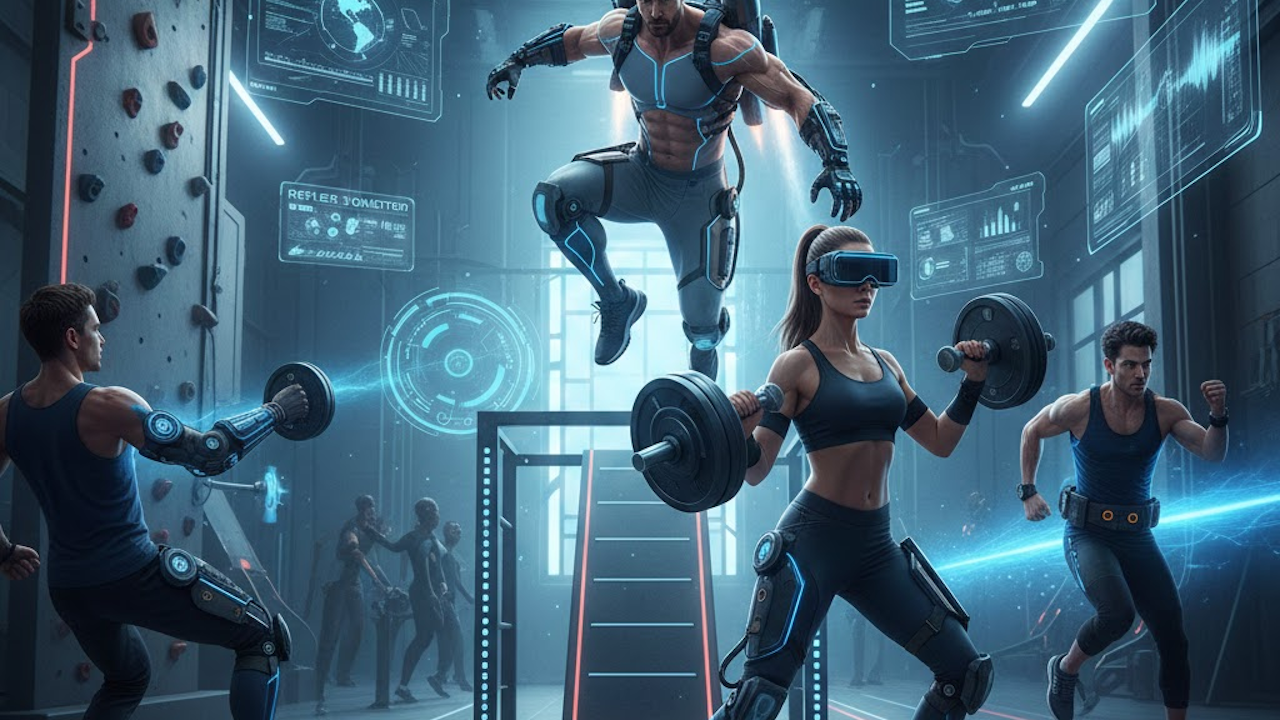
In the pursuit of peak physical performance, technology has become a powerful ally. Modern gadgets offer data-driven insights, precise resistance, muscle activation beyond voluntary effort, and accelerated recovery. These tools help athletes and fitness enthusiasts build strength, increase speed, and achieve better results with greater efficiency. This article explores key categories of gadgets that enhance speed and strength, examining how they work, their benefits, real-world applications, and practical considerations for integration into training routines.
Smart Resistance Training Systems
Traditional weights have limitations in portability, consistency, and variable loading. Smart resistance systems address these with digital or motorized resistance.
One standout is the Tonal 2, a wall-mounted digital weight machine using electromagnetic resistance up to around 250 pounds. It replaces multiple pieces of gym equipment with adjustable arms and a screen. Artificial intelligence tracks reps, provides real-time form feedback through sensors, and adapts resistance based on user progress. This ensures progressive overload without manual plate changes, making it ideal for home strength training. Users report consistent gains because the system prevents plateaus by automatically adjusting loads and offering guided workouts.
Portable alternatives like the VOLTRA I Smart Cable Trainer deliver up to 200 pounds of direct-drive resistance in a compact, app-connected package. It supports modes such as eccentric loading, chains simulation for variable resistance, and speed-based training where resistance increases with velocity. This versatility suits explosive power development for athletes in sports like baseball or sprinting. The low-inertia design allows smooth movements, and data tracking helps monitor power output, asymmetries, and progress over time. Its portability means users can train anywhere, from home to travel, without bulky setups.
Other systems like Speediance Gym Monster 2 or similar cable machines offer multi-station functionality with digital resistance. These gadgets excel for compound lifts and unilateral work, correcting imbalances that free weights might overlook. Benefits include safer training for beginners through form cues and time efficiency for advanced users who need quick transitions between exercises.
Electrical Muscle Stimulation Devices
Electrical Muscle Stimulation (EMS) gadgets send impulses to muscles, causing contractions that supplement or mimic voluntary efforts. They have gained popularity for strength building, recovery, and rehabilitation.
Devices like the Compex Sport Elite or PowerDot deliver programs for strength, endurance, recovery, and pain relief. EMS recruits fast-twitch fibers effectively, potentially leading to greater strength gains when combined with traditional training. Studies show additional improvements in muscle strength and reduced fatigue. For athletes, EMS during or after workouts enhances activation in hard-to-target muscles, such as stabilizers or during rehab phases.
Professional examples include athletes using EMS for arm growth or triathletes targeting quads and glutes. Sessions last 15 to 30 minutes and fit easily into routines without extra joint stress. Wireless options like PowerDot offer convenience with app integration for guided protocols. While not a full replacement for lifting, EMS accelerates progress, aids recovery by improving blood flow and reducing soreness, and supports maintenance during travel or injury.
Caution is essential: follow guidelines on intensity, placement, and contraindications such as pacemakers or acute injuries. When used correctly, EMS provides a measurable edge in neuromuscular efficiency.
Wearables and Tracking Devices for Performance Optimization
Data is crucial for getting faster and stronger. Wearables deliver real-time metrics on strength, speed, recovery, and more.
Garmin watches, such as the Fenix 8 or Forerunner series, offer robust strength training modes with rep counting, training readiness scores, and GPS for speed work. They track load, recovery, and suggest workouts based on physiological data. Hybrid athletes benefit from seamless running and lifting integration.
WHOOP 5.0 stands out for recovery-focused users. Its screenless design tracks strain, sleep, and muscular load during strength sessions. Features like Strength Trainer quantify reps and time under tension, helping optimize training volume without overreaching. Apple Watch models pair well with lifting apps for form cues and coaching.
Velocity-based training (VBT) tools like Vitruve or GymAware measure bar speed to prescribe optimal loads for power and strength. These gadgets promote higher intent in lifts and prevent under- or over-training. For speed, timing systems such as Freelap or Dashr provide accurate sprint data, allowing athletes to measure improvements in acceleration and top-end speed.
These devices turn subjective feelings into objective progress, enabling smarter programming.
Recovery Gadgets for Sustained Gains
Faster recovery means more consistent training and quicker strength and speed improvements.
Percussion massage guns like the Theragun or Hypervolt deliver targeted therapy to reduce muscle tightness, improve circulation, and alleviate delayed onset muscle soreness. Regular use supports better range of motion and readiness for subsequent sessions.
Compression boots and recovery systems enhance blood flow and lymphatic drainage. Smart versions integrate with apps for personalized protocols. Sleep trackers, including rings like Oura, monitor recovery metrics such as heart rate variability to guide training intensity.
Combining these with EMS for active recovery creates a comprehensive system that minimizes downtime.
Specialized Tools for Speed Development
Speed requires technique, power, and neuromuscular efficiency. Gadgets like dryland swim trainers or resisted sprint devices build explosive capabilities. Smart goggles for swimmers provide real-time feedback on pace and stroke efficiency.
Rowing machines like the Concept 2 offer full-body cardio and strength with performance monitors that track watts and stroke data, translating to better power output on land. Air bikes provide high-intensity intervals that boost anaerobic capacity for sprint performance.
Blood flow restriction (BFR) bands allow low-load training that mimics high-intensity effects, useful for hypertrophy and endurance with less joint stress.
Integrating Gadgets into Training
Start with clear goals. For pure strength, prioritize smart resistance machines and EMS. For speed, focus on timing systems, VBT, and wearables. Recovery tools should support the overall program rather than dominate it.
Budget considerations vary: entry-level wearables and massage guns are accessible, while full smart gyms require significant investment. Many offer app subscriptions for advanced features. Consistency matters more than owning every gadget; select two or three that address specific weaknesses.
Track long-term progress through metrics like lift totals, sprint times, or body composition. Combine tech with fundamentals: proper nutrition, sleep, and coaching where possible.
The Future of Performance Enhancement
Gadgets continue evolving with better AI, integration, and accessibility. They democratize elite training methods, allowing dedicated individuals to push limits safely and efficiently. Whether a weekend warrior or competitive athlete, these tools provide pathways to measurable gains in strength and speed.
Embrace them thoughtfully, experiment, and adjust based on personal response. Technology augments human effort but does not replace it. With smart use, gadgets help unlock faster, stronger versions of yourself.