

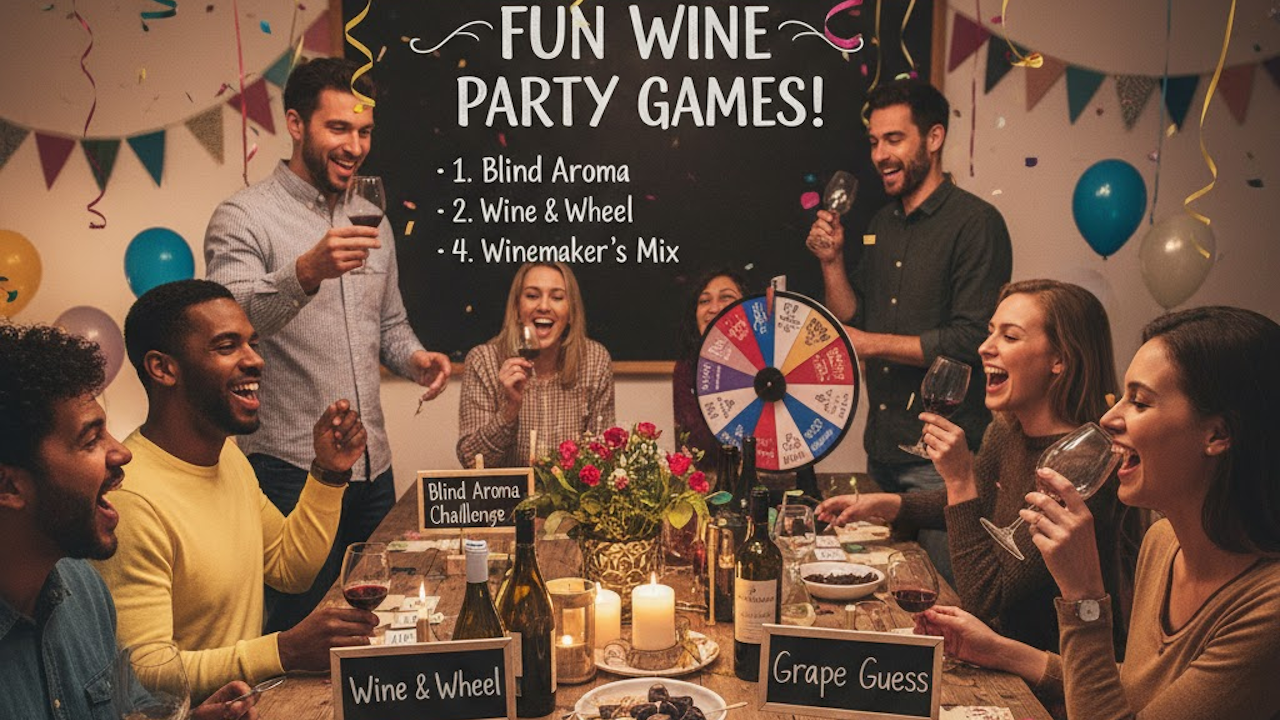
Wine tasting parties offer a delightful way to bring friends together for an evening of flavor exploration, conversation, and laughter. Whether you are a seasoned oenophile or a complete beginner, incorporating games into your wine tasting event transforms a simple gathering into an unforgettable experience. These games encourage guests to engage their senses, share opinions, and compete in friendly ways while learning more about wine. This comprehensive guide explores everything you need to host successful wine tasting games, from preparation to a variety of engaging activities suitable for different group sizes and experience levels.
Why Host a Wine Tasting Party with Games?
Wine tasting games add structure and excitement to what might otherwise be a passive sipping session. They break the ice, especially for groups that include both wine enthusiasts and novices. Participants sharpen their tasting skills by focusing on aromas, flavors, textures, and origins. The competitive element keeps energy high without requiring deep expertise. Most importantly, these games foster connection as guests debate preferences and discover new favorites together.
A well-planned wine tasting party typically lasts two to four hours. Aim for six to twelve guests to keep the event intimate yet lively. Choose a comfortable space with good lighting, seating arrangements that facilitate discussion, and a table for wines and supplies. Evening timings work best, allowing guests to relax after work.
Preparation Essentials
Successful wine tasting games start with thoughtful preparation. Select four to eight wines that represent variety. Include a mix of reds, whites, rosés, and perhaps a sparkling option. Consider themes such as regional (Italian wines), varietal (all Cabernet Sauvignons), or price point (under twenty dollars). For beginners, choose approachable wines like Pinot Grigio, Merlot, or Chardonnay. For advanced tasters, include challenging options like Riesling or Syrah.
Provide tasting notes sheets or simple scorecards for each guest. These can list categories such as appearance, aroma, taste, and overall impression. Supply neutral crackers, bread, or cheese to cleanse palates between samples. Water is essential, along with spit buckets for those who prefer not to swallow every sip. Small glasses work best, allowing pours of about two ounces per tasting.
Label wines anonymously with numbers or letters to maintain mystery during blind tastings. Have prizes ready for winners, such as a bottle of wine, a corkscrew set, or fun wine-related accessories. Consider dietary restrictions and allergies, and offer non-alcoholic alternatives for designated drivers or non-drinkers.
Temperature matters: serve whites and rosés chilled around fifty to sixty degrees Fahrenheit, and reds slightly cooler than room temperature. Open bottles thirty minutes before the event for reds to breathe. Have a designated host or facilitator to guide the games and keep things moving.
Game 1: Blind Tasting Challenge
Blind tasting ranks among the most classic and educational wine games. Guests attempt to identify wines without seeing labels, relying solely on their senses.
Setup: Pour small samples of four to six wines into numbered glasses. Provide each guest with a scorecard that includes columns for color, aroma, flavor notes, acidity, tannins or sweetness, and guessed varietal or region.
How to Play: Guests swirl, sniff, sip, and note their observations. After everyone tastes, reveal the wines one by one and discuss guesses. Award points for correct identifications or creative descriptions. For added fun, include one or two “ringer” wines that might trick the group, such as an unexpected orange wine or a high-acid white.
Variations: Theme the blind tasting around a single country or grape. For larger groups, divide into teams that collaborate on guesses. Beginners might receive hint cards with common descriptors like “floral” or “earthy.”
This game highlights how perception differs among individuals. One guest might detect blackberry notes while another picks up leather and spice in the same red wine. Discussions often lead to deeper appreciation of wine complexity.
Game 2: Wine Charades or Pictionary
For a lighter, more active twist, incorporate artistic or performative elements.
Wine Charades: Write wine-related terms on slips of paper, such as “decanting,” “tannins,” “bouquet,” specific grape names, or tasting notes like “buttery Chardonnay” or “peppery Syrah.” Guests take turns acting out the terms without speaking while the group guesses.
Wine Pictionary: Provide paper and markers or a large whiteboard. Players draw representations of wine concepts. A drawing of swirling wine in a glass or grapes on a vine sparks laughter and guesses. Set a timer for each round to maintain pace.
These games work wonderfully for mixed-experience groups because success depends more on creativity than wine knowledge. They also generate memorable moments and inside jokes for future gatherings.
Game 3: Flavor Matching Relay
This sensory game tests observation and memory skills.
Preparation: Prepare small bowls with common wine aromas and flavors, such as lemon zest, vanilla beans, dark chocolate, blackberries, green apple slices, oak chips, or herbs. Number them or keep them hidden.
How to Play: After tasting a wine, guests visit the flavor station and try to match perceived notes to the actual items. Award points for accurate matches. Rotate through several wines, increasing difficulty with each round by choosing wines with subtler profiles.
For teams, turn it into a relay where one member tastes and describes while others fetch matching items. This format encourages communication and teamwork.
Game 4: Price Is Right Wine Edition
Combine wine tasting with a popular game show format for budget-conscious fun.
Select wines across a price spectrum, from bargain finds to premium bottles, but keep them hidden. Guests taste and then guess the retail price of each wine.
Provide a price range on scorecards, such as under ten dollars, ten to twenty, twenty to fifty, or over fifty. Award points for closest guesses without going over. Reveal actual prices at the end, often surprising guests with how price does not always correlate with enjoyment.
This game promotes discussion about value in wine and helps guests make smarter purchasing decisions for future occasions. It also works well as an educational tool, showing that great wines exist at every price point.
Game 5: Wine Pairing Showdown
Focus on food and wine harmony through this interactive challenge.
Prepare small tasting plates with various foods: cheeses, cured meats, dark chocolate, spicy snacks, fruits, and nuts. Pour different wines and challenge guests to find the best pairings.
Guests vote on which wine complements each food best. Categories could include “most improved pairing” or “unexpected winner.” For advanced play, blindfold participants or have them describe why certain combinations succeed or fail based on balancing acidity, sweetness, tannins, and saltiness.
This game directly applies tasting skills to real-life entertaining scenarios. Guests leave with practical knowledge for hosting their own dinners.
Game 6: Two Truths and a Wine Lie
A conversational icebreaker with a wine twist.
Each guest shares three statements about a particular wine being tasted: two true facts and one lie. The group votes on which statement is the lie. Topics might include origin, grape type, production method, or tasting notes.
This game sparks storytelling and reveals interesting wine facts. It works especially well later in the evening when conversations flow freely.
Game 7: Wine Bingo
Create bingo cards with common tasting descriptors, grape varieties, regions, or wine styles. As guests taste wines and share observations, they mark off matching terms.
Call out confirmed characteristics as the host or let guests announce their own discoveries. The first to complete a row or full card wins. Customize cards for the selected wines to ensure relevance.
Bingo adds an element of chance and keeps everyone attentive throughout the tasting.
Advanced Games for Experienced Groups
For seasoned tasters, try more challenging formats:
- Fault Finding: Introduce wines with intentional or natural faults (cork taint, oxidation) alongside sound wines. Guests identify issues and suggest corrections.
- Vintage Showdown: Compare multiple vintages of the same wine to discuss aging potential and development.
- Blind Flight Competition: Organize flights (groups) of wines by category and have teams compete for the most accurate collective descriptions.
Tips for a Successful Wine Tasting Party
Moderation is key. Encourage sipping rather than gulping, and provide plenty of water and food. Designate drivers or arrange transportation options. Keep the atmosphere light and non-competitive in spirit, even with scoring. Adapt games based on group dynamics. Shy groups benefit from team formats, while outgoing crowds enjoy individual performances.
Document the event with group photos or collective tasting notes for future reference. Consider themed decorations, such as grapevine centerpieces or wine country music playlists, to enhance ambiance.
For larger parties, rotate stations so guests experience different games in smaller groups. This prevents bottlenecks and ensures everyone participates actively.
Safety considerations include monitoring consumption and having snacks available to slow alcohol absorption. Non-alcoholic wine or grape juice allows broader inclusion.
Seasonal and Themed Variations
Tailor games to seasons or occasions. Summer parties suit light whites and rosés with outdoor seating and fruit-focused pairings. Winter events call for robust reds paired with hearty cheeses. Holiday themes might feature sparkling wines or mulled wine stations.
Create international nights with wines from specific countries and corresponding snacks. Mystery box tastings hide wines in bags or boxes for added suspense. Virtual adaptations work for remote friends using shipped wine kits and video calls.
Conclusion
Wine tasting games elevate ordinary parties into engaging celebrations of flavor, friendship, and discovery. From blind challenges that sharpen senses to creative games that spark laughter, these activities suit diverse groups and skill levels. With thoughtful preparation and a spirit of fun, your next wine tasting party will create lasting memories and perhaps inspire guests to explore wine further on their own.
The beauty lies in the shared experience rather than perfect identification. Every pour offers opportunity for connection and enjoyment. Gather your friends, uncork some bottles, and let the games begin. Your guests will thank you for an evening that delights the palate and warms the soul. Cheers to many more wine-filled adventures ahead.