

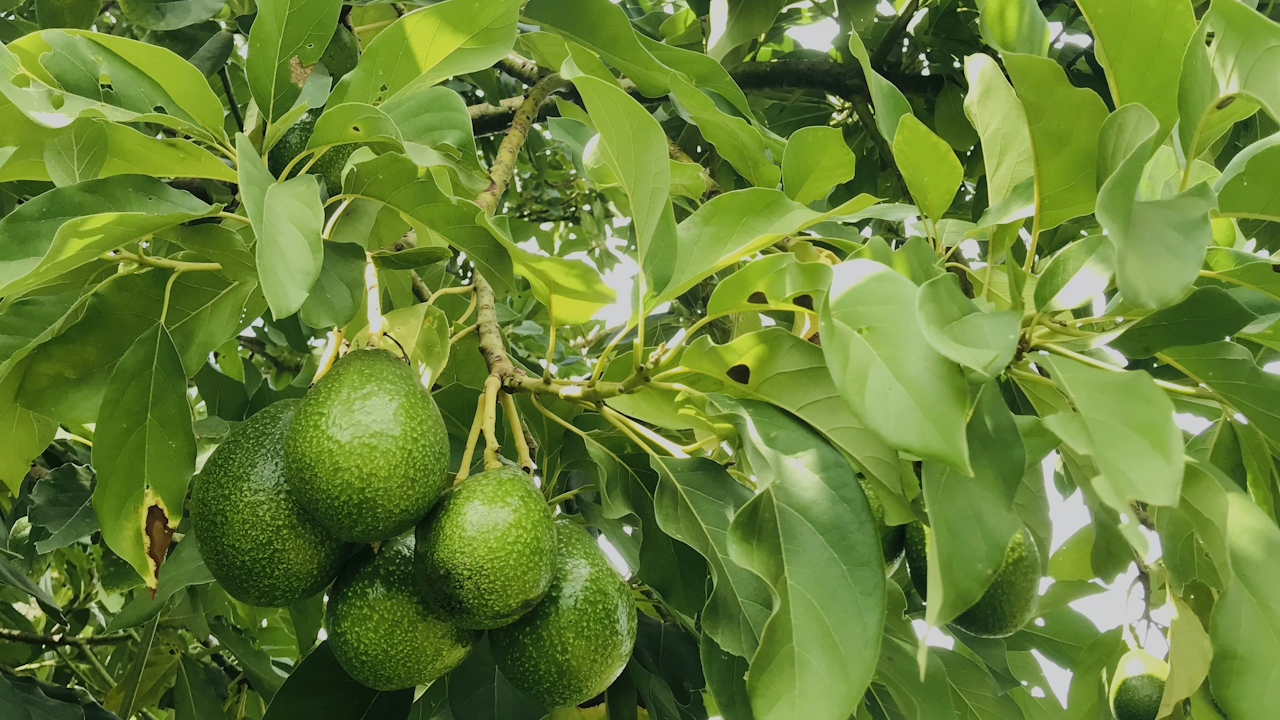
Every time you reach for an avocado at the grocery store or order a side of guacamole at your favorite restaurant, you are participating in one of the most remarkable supply chains in modern agriculture. That smooth, buttery fruit with its dark, bumpy skin did not simply appear on the shelf. It traveled thousands of miles, passed through dozens of hands, and survived a carefully orchestrated series of biological and logistical steps. The story of your avocado is a tale of ancient origins, modern farming ingenuity, global trade, and the quiet dedication of farmers, packers, truckers, and retailers who make sure this delicate product reaches your table at the precise moment it is ready to eat.
Avocados belong to the species Persea americana, a member of the laurel family that includes cinnamon and bay leaves. Botanically speaking, the avocado is a large berry with a single seed. Its wild ancestors grew in the subtropical forests of Central America and southern Mexico more than 10,000 years ago. Indigenous peoples in the region began cultivating the fruit long before European contact, prizing it for its rich flavor and nutritional density. The Aztec word for avocado, ahuacatl, reflected its shape but also its cultural importance. Spanish explorers encountered the fruit in the early 16th century and carried it back across the Atlantic, though it took centuries for avocados to gain popularity outside Latin America. By the early 20th century, commercial cultivation had taken root in California and Florida, but it was the development of the Hass variety in the 1930s that transformed the avocado into a global commodity. The Hass, with its thicker skin and longer shelf life compared to earlier types like the Fuerte, now accounts for more than 95 percent of avocados sold in many markets worldwide.
Today the vast majority of avocados consumed in the United States and Europe originate on farms in Mexico, which produces roughly 80 percent of the global supply. Other significant producers include Peru, Chile, Colombia, Kenya, Israel, and parts of California and South Africa. The ideal growing conditions are warm days, cool nights, and well-drained soil at elevations between 1,000 and 6,000 feet. Avocado trees are evergreen and can reach heights of 30 to 40 feet, though commercial orchards often keep them pruned shorter for easier harvesting. A single mature tree can produce hundreds of pounds of fruit each year once it reaches bearing age, which typically happens between three and five years after planting.
Life on an avocado farm begins long before the first fruit appears. Growers start with grafted seedlings because avocados do not breed true from seed. A rootstock chosen for disease resistance and vigor is paired with a scion from a high-yielding Hass tree. These young plants are nurtured in nurseries for several months before being transplanted into the orchard. Spacing is critical; trees are usually planted about 15 to 20 feet apart to allow sunlight and air circulation while maximizing land use. Irrigation is the single biggest factor in modern avocado farming. Each tree requires approximately 50 to 70 gallons of water per day during peak growing season, and a single avocado fruit can consume up to 70 gallons over its entire development. In regions like Michoacan, Mexico, where water resources are already strained, farmers rely on drip irrigation systems, rainwater harvesting, and careful scheduling to conserve every drop.
The growing cycle follows the rhythm of the seasons. In Mexico, flowering usually occurs between January and April, triggered by cooler winter temperatures. Avocado flowers are unusual: they open twice, first as female and then as male, requiring precise timing for pollination. Bees and other insects do the heavy lifting, though some orchards supplement with managed beehives. After successful pollination, tiny fruits set and begin their slow maturation. It takes six to 18 months, depending on variety and climate, for an avocado to reach full size and maturity on the tree. Unlike many fruits, avocados do not ripen while attached to the branch. They remain hard and green until harvested, storing their energy until the moment they are picked.
Harvesting is a labor-intensive process performed almost entirely by hand. Workers move through the orchards with long poles equipped with clippers or baskets at the end. They reach up into the canopy and snip the stem, catching the fruit as it falls or lowering it gently into collection bags. Timing is everything. Avocados must be harvested when they have achieved physiological maturity, meaning they contain enough oil and dry matter to ripen properly off the tree. Pickers rely on experience and sometimes simple field tests, such as checking the skin color or using a penetrometer to measure firmness. Overly immature fruit will never soften properly; overly mature fruit will spoil quickly. Once picked, the avocados are placed in bins and transported by tractor to a central packing house on the farm or nearby cooperative facility.
At the packing house the real transformation begins. Trucks unload the fruit into large bins where it is washed in chlorinated water to remove dirt and reduce microbial load. Workers or automated sorting lines then grade each avocado by size, weight, and external appearance. Defects such as scars, sunburn, or insect damage lead to rejection for the fresh market; those fruits may be diverted to processing for guacamole, oil, or animal feed. The best-quality avocados move along conveyor belts where they are packed into cardboard boxes or plastic crates, often with foam liners to prevent bruising. Each box is labeled with the grower, variety, size, and harvest date. In many facilities, sophisticated optical scanners now assist in sorting, using cameras and sensors to evaluate color, shape, and even internal quality through near-infrared technology.
Because avocados are harvested hard, they must be cooled immediately after packing to slow respiration and extend shelf life. Most packing houses use forced-air cooling rooms that bring the fruit temperature down to around 40 to 45 degrees Fahrenheit within hours. This step is crucial for long-distance transport. Once cooled, the boxes are palletized, wrapped in plastic, and loaded onto refrigerated trucks or containers. From here the journey becomes truly international. Mexican avocados destined for the United States cross the border at points such as Nogales, Arizona, or through ports in California. A typical truckload might carry 40,000 pounds of fruit and travel more than 1,500 miles to reach distribution centers in the Midwest or East Coast. For markets farther away, such as Europe or Asia, avocados travel by sea in refrigerated containers that maintain precise temperature and humidity levels for up to three weeks.
During transit and storage, the ripening process is carefully managed. Avocados produce ethylene gas, a natural plant hormone that triggers softening. In commercial settings, ripening rooms use controlled injections of ethylene to synchronize the softening of entire pallets so that stores receive fruit at the exact stage consumers prefer. Some distributors use special atmosphere packaging that absorbs excess ethylene and slows the process further. The goal is to deliver avocados that are firm enough to withstand handling but will reach perfect ripeness within a day or two of purchase.
When the shipment arrives at a regional distribution center, another round of quality checks occurs. Inspectors open sample boxes, cut into random fruits, and evaluate flesh color, texture, and flavor. Approved loads are then broken down and sent to grocery stores, restaurants, and wholesale markets. At the retail level, avocados are displayed in temperature-controlled bins or on refrigerated shelves. Store employees rotate stock daily, removing any fruit that has become overripe. Shoppers have learned to navigate the subtle cues of ripeness: a gentle squeeze that yields slightly without feeling mushy, a stem that pops off easily to reveal green flesh underneath, or a dark, almost black skin color in Hass avocados.
Once home, the final chapter of the avocado’s life unfolds quickly. If the fruit is still firm, it can be left on the counter for a few days or placed in a paper bag with an apple or banana to speed ripening through additional ethylene. Refrigeration halts the process once the desired softness is reached. Proper storage matters: a cut avocado should have its pit left in place and be wrapped tightly or brushed with lemon juice to prevent browning from oxidation. Many people now choose pre-ripened or “ready-to-eat” avocados that have been treated with ethylene in the store’s back room, a convenience that reduces waste but requires immediate consumption.
The nutritional payoff is substantial. A single avocado provides nearly 20 vitamins and minerals, including potassium, folate, vitamin K, and heart-healthy monounsaturated fats. Its creamy texture makes it versatile in the kitchen. Beyond the classic guacamole, avocados appear in smoothies, salads, sushi rolls, chocolate mousse, and even face masks. Chefs prize them for their ability to balance flavors and add richness without dairy.
Yet the story of the avocado is not without challenges. The explosive global demand has put pressure on producing regions. In Michoacan, the heart of Mexican avocado country, rapid orchard expansion has led to concerns about deforestation, water scarcity, and soil erosion. Some farms have faced scrutiny over pesticide use and labor practices. Cartels have occasionally infiltrated the industry, taxing growers or controlling packing houses. In response, certification programs such as Fair Trade, Rainforest Alliance, and organic standards have grown. Many farmers now adopt regenerative practices, planting cover crops, installing solar-powered irrigation, and preserving buffer zones of native forest to protect biodiversity and watersheds. California growers, facing their own drought issues, have pioneered precision agriculture techniques that monitor soil moisture with sensors and drones.
Looking ahead, researchers are developing new varieties that require less water, resist common diseases such as laurel wilt, and ripen more uniformly. Climate change poses risks to current growing zones, prompting trials in higher-elevation or cooler-climate areas. Consumer awareness is also shifting. Shoppers increasingly ask where their avocados come from and whether they were grown sustainably. Some retailers now trace individual boxes back to the exact farm using blockchain technology, allowing a customer to scan a QR code and learn the name of the grower who picked that particular fruit.
The next time you slice an avocado, consider the full arc of its existence. It began as a tiny flower on a tree that may have been planted a decade earlier by a farmer who checks irrigation lines before dawn. It grew under the subtropical sun, was harvested by hand, cooled, packed, shipped across borders, ripened under controlled conditions, and finally placed on a shelf within walking distance of your home. That journey involves science, logistics, human labor, and a surprising amount of care for a product we often take for granted. From farm to table, the avocado reminds us that even the simplest pleasures on our plates rest on a complex, interconnected world of agriculture and trade. Appreciating that path deepens our enjoyment and encourages more thoughtful choices about the food we eat every day.