

The human brain demands a steady supply of nutrients to maintain its intricate network of neurons, synapses, and supporting cells. Scientific research increasingly demonstrates that specific foods can enhance cognitive abilities such as memory, attention, processing speed, and executive function while potentially slowing age-related decline. These benefits arise through mechanisms including reduced inflammation, protection against oxidative stress, improved blood flow to the brain, and support for neurotransmitter production. Diets rich in certain whole foods align with patterns like the Mediterranean or MIND diet, which emphasize plants, healthy fats, and fish over processed items. Studies consistently link these eating habits to better brain health outcomes over time. This article examines key foods backed by clinical trials, meta-analyses, and observational research, highlighting the evidence for each and practical ways they contribute to sharper thinking.
Fatty fish stand out as one of the most robustly supported brain-boosting options due to their high content of omega-3 fatty acids, particularly docosahexaenoic acid (DHA) and eicosapentaenoic acid (EPA). These long-chain fats form a major structural component of brain cell membranes and promote neuronal growth while reducing inflammation. A 2025 systematic review and dose-response meta-analysis of 58 studies found that omega-3 supplementation improved attention, perceptual speed, language, primary memory, visuospatial functions, and global cognitive abilities in adults. Each 2000 milligrams per day produced notable gains in several domains, though effects on episodic memory showed a nonlinear pattern. Another meta-analysis incorporating data from over 100,000 participants indicated that higher dietary omega-3 intake, especially DHA, lowered the risk of all-cause dementia or cognitive decline by about 20 percent. Long-term users of omega-3 supplements in one cohort experienced a 64 percent reduced risk of Alzheimer’s disease. Observational data further connect higher blood levels of these fats to larger hippocampal volumes, the brain region critical for learning and memory, and better abstract reasoning in middle-aged adults. Experts recommend consuming fatty fish such as salmon, mackerel, or sardines at least twice weekly to achieve these protective effects, as the body cannot produce sufficient DHA and EPA on its own.
Berries, particularly blueberries, deliver a potent array of flavonoids and antioxidants that cross the blood-brain barrier to combat oxidative damage and enhance neural signaling. Multiple randomized trials show that regular berry consumption improves memory performance and processing speed. For instance, a six-month intervention with wild blueberries enhanced information-processing speed in older adults, while acute studies in children and young adults demonstrated gains in executive function and short-term memory recall within hours of intake. A large prospective study of women linked two or more weekly servings of strawberries or blueberries to a delay in memory decline by up to 2.5 years. These benefits stem from anthocyanins and other polyphenols that increase cerebral blood flow, reduce neuroinflammation, and support synaptic plasticity. Systematic reviews confirm that berry-based foods and supplements positively affect resting brain perfusion and overall cognitive function, making a daily handful of fresh or frozen berries a simple, evidence-based addition to any routine aimed at preserving mental sharpness.
Leafy green vegetables such as spinach, kale, collards, and broccoli provide an impressive profile of brain-protective nutrients including vitamin K, lutein, folate, and beta carotene. A major study from the Rush University Memory and Aging Project associated one daily serving of these greens with significantly slower rates of cognitive decline in older adults, equivalent to the difference between being 11 years younger cognitively. Nutrients like phylloquinone (vitamin K), lutein, and folate appeared to drive this effect independently of other lifestyle factors. Vitamin K supports sphingolipid metabolism essential for brain cell membranes, while lutein accumulates in neural tissue and acts as an antioxidant. Folate helps regulate homocysteine levels, which can otherwise damage blood vessels supplying the brain. Additional research using postmortem brain analysis linked higher vitamin K concentrations to lower odds of dementia or mild cognitive impairment. Incorporating a large salad or sautéed greens daily offers cumulative protection against age-related cognitive slippage, as these vegetables also supply fiber and anti-inflammatory compounds that benefit vascular health feeding the brain.
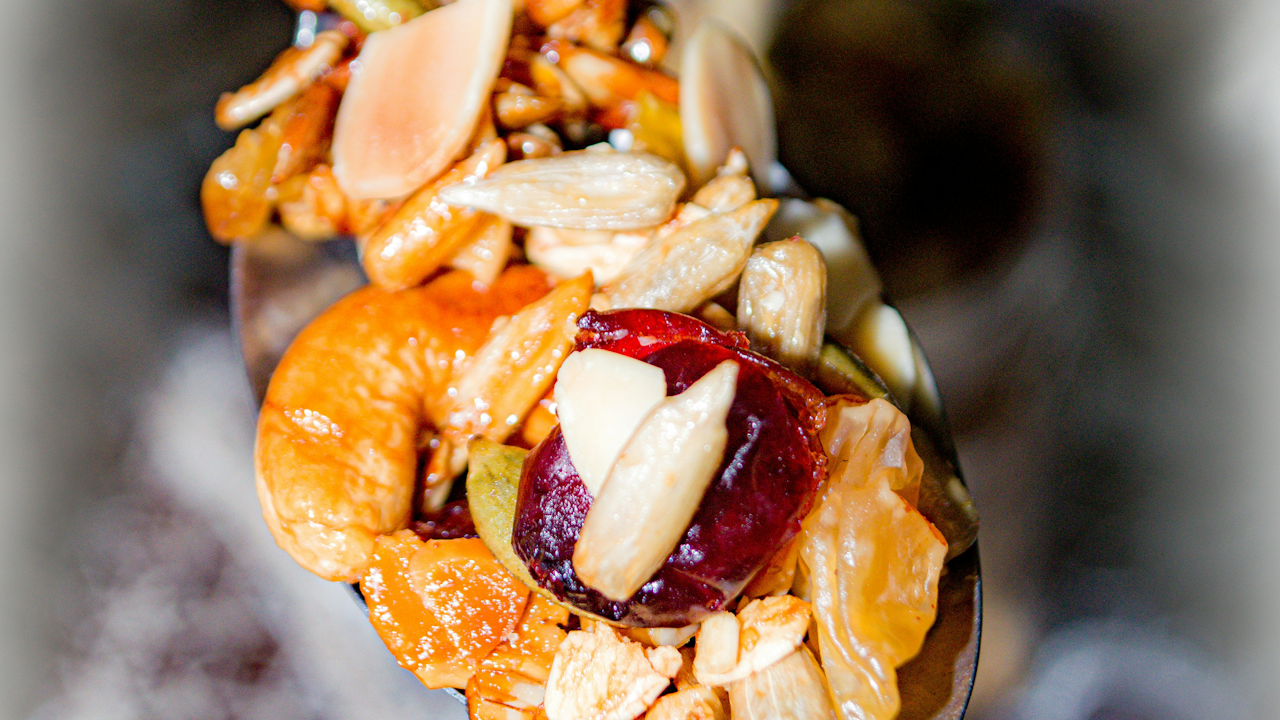
Nuts, especially walnuts, supply healthy fats, vitamin E, polyphenols, and plant-based omega-3s (alpha-linolenic acid) that collectively support brain structure and function. A systematic review of nut consumption and cognition highlighted consistent positive associations with walnuts across young, middle-aged, and older populations. Walnuts contain unique compounds like ellagitannins and melatonin that reduce oxidative stress and protein aggregation linked to neurodegeneration. The Walnuts and Healthy Aging trial, a two-year randomized controlled study, found no overall group difference in global cognition but noted subgroup benefits in higher-risk participants and greater functional brain network recruitment during memory tasks via imaging. Other trials link nut intake to improved cognitive test scores, likely through lowered blood pressure, better arterial health, and protection of neuronal membranes. A handful of mixed nuts or walnuts as a daily snack provides these advantages without excess calories when chosen unsalted and unroasted. While broader meta-analyses of all nuts show mixed results, walnuts emerge as particularly promising for brain health due to their fatty acid and antioxidant synergy.
Dark chocolate and cocoa, when high in cocoa flavanols (at least 70 percent cocoa content), improve cerebral blood flow and support memory through antioxidant and anti-inflammatory actions. Flavanols enhance nitric oxide production, which dilates blood vessels and delivers more oxygen and nutrients to brain regions like the dentate gyrus involved in memory formation. A landmark study at Columbia University showed that three months of high-flavanol cocoa reversed age-related memory decline in healthy older adults, restoring performance to levels typical of people 20 to 30 years younger. Acute trials report better visual and cognitive function within hours of consumption, while longer-term reviews note improvements in reaction time and episodic memory. These effects appear strongest in older adults or those with mild impairments. To maximize benefits, opt for dark chocolate with minimal added sugar; even small daily portions deliver measurable gains in brain perfusion and mental performance according to controlled human studies.
Turmeric, through its active compound curcumin, offers anti-inflammatory and antioxidant properties that may safeguard cognitive function. Preclinical data show curcumin reduces amyloid plaques and tau tangles associated with Alzheimer’s, while human trials indicate improvements in working memory among non-demented adults and those with mild decline. A systematic review of clinical evidence concluded that bioavailable forms of curcumin provide neuroprotective effects across various stages of cognitive impairment, including in people with metabolic disorders or mood issues that indirectly affect the brain. Doses used in positive studies typically range from 80 to 400 milligrams of enhanced-absorption curcumin daily, often showing benefits after several weeks. Although some trials report null results due to bioavailability challenges or short durations, the overall pattern supports turmeric as a promising adjunct, easily added as spice to meals or taken in supplement form after consulting a healthcare provider.
Eggs contribute choline, B vitamins, and lutein that directly fuel neurotransmitter synthesis and protect neural tissue. Choline serves as a precursor to acetylcholine, the chemical messenger critical for memory and attention; adequate intake helps maintain levels that decline with age. Studies link higher choline consumption to better performance on cognitive tests, while the lutein in egg yolks accumulates in the brain similarly to that in leafy greens. Shellfish and eggs also supply vitamin B12, which prevents memory loss by supporting myelin integrity around nerve fibers. Including two to three eggs weekly as part of a balanced plate aligns with evidence from nutrient-rich diet patterns shown to maximize memory function.
Additional supportive foods include green tea, which combines caffeine with L-theanine for calm focus and improved attention, and beets, whose nitrates boost blood flow to enhance oxygenation during demanding mental tasks. Avocados and extra-virgin olive oil supply monounsaturated fats that improve cholesterol profiles and vascular health, indirectly benefiting the brain by reducing stroke risk and supporting steady glucose delivery. Whole grains and legumes provide sustained energy and folate, preventing the energy crashes that impair concentration.
Overall dietary patterns matter more than isolated foods. Research on the MIND diet, which prioritizes these brain-boosting items while limiting red meat and sweets, associates higher adherence with reduced cognitive decline. No single food acts as a miracle cure, but consistent inclusion of the options outlined here, supported by decades of nutritional neuroscience, offers a practical, science-driven strategy for sustaining brain power across the lifespan. Consulting a physician or registered dietitian ensures these choices fit individual health needs, particularly when managing conditions or medications. By focusing on whole, minimally processed foods, anyone can harness nutrition to support clearer thinking and long-term mental resilience.