

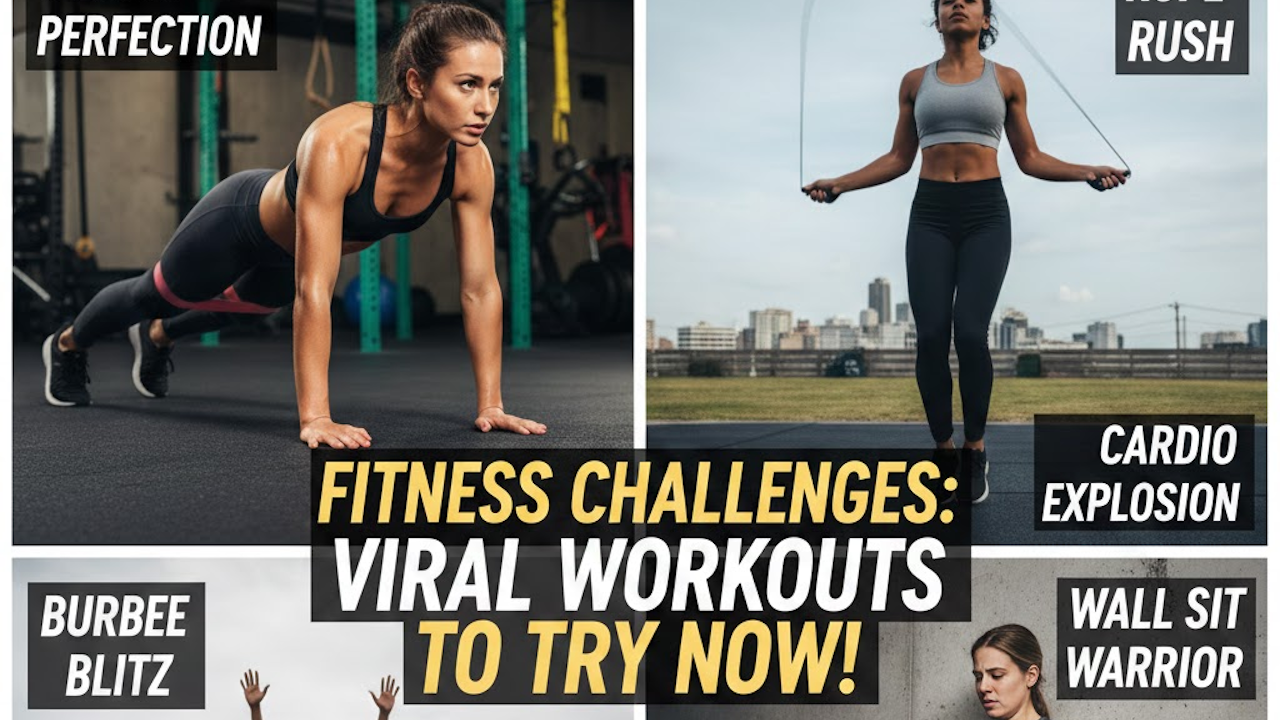
Fitness challenges have taken social media by storm, turning ordinary people into motivated athletes who share their progress online. These viral workouts offer structure, community, and measurable results that keep participants coming back. Whether you are a beginner looking for something approachable or an experienced exerciser seeking a new test, there is a challenge suited to your goals. In this article, we explore the most popular viral fitness trends making waves right now, explain how to try them safely, and provide practical tips for success.
Why Fitness Challenges Work So Well
Challenges provide clear rules and timelines that combat decision fatigue. Instead of wondering what to do each day, you follow a predefined plan. Many viral workouts emphasize consistency over perfection, which builds sustainable habits. Social media amplifies this effect through accountability. Posting daily updates or joining group challenges creates external motivation that helps push through plateaus.
Research and user reports show that structured programs improve adherence compared to unstructured gym visits. Challenges also deliver mental benefits such as boosted confidence from visible progress and a sense of accomplishment. They blend physical training with fun, making exercise feel less like a chore.
The Enduring 12-3-30 Treadmill Challenge
One of the most consistent viral hits is the 12-3-30 workout. Popularized on TikTok and Instagram, it involves setting a treadmill to a 12 percent incline, walking at 3 miles per hour, and continuing for 30 minutes. This steady-state cardio routine gained traction because it is accessible yet demanding enough to produce results.
How to do it: Begin with a five-minute warm-up at zero incline and a slower pace. Then increase to the full settings. Focus on good posture: keep your core engaged, shoulders relaxed, and arms swinging naturally. If 30 minutes feels overwhelming at first, start with 15 to 20 minutes and build up.
Why it works: The incline engages your glutes, hamstrings, and calves more than flat walking while elevating heart rate for calorie burn. It is low-impact, making it suitable for those with joint concerns. Many participants report improved endurance and toned lower bodies after a few weeks.
Modifications: Beginners can reduce the incline to 8 or 10 percent. Those without a treadmill can simulate it outdoors by finding hills or using a walking pad at home. Pair it with light dumbbells for added upper-body work during the session.
Consistency matters here. Aim for three to five sessions per week. Track your sessions in a simple notebook or app to monitor improvements in how you feel and how far you can go without stopping.
The 3-2-8 Method for Balanced Fitness
The 3-2-8 approach has become a favorite among those seeking sustainable routines. It consists of three strength training sessions, two Pilates or barre workouts, and a daily goal of 8,000 steps. Created with women’s hormonal health and recovery in mind, this method avoids overtraining while covering multiple fitness pillars.
How to structure your week: Schedule strength days on non-consecutive days using full-body or split routines with compound movements like squats, deadlifts, push-ups, and rows. Pilates or barre sessions focus on core stability, flexibility, and smaller muscle groups. Hit the step count through walks, active commuting, or evening strolls.
Benefits: Strength training builds muscle and boosts metabolism. Pilates improves posture and core strength, reducing injury risk. The step goal promotes daily movement without intense cardio every day. Users often notice better energy levels, improved sleep, and easier fat loss when following this for a month or longer.
Sample strength session: Perform three sets of 8 to 12 reps for exercises such as goblet squats, dumbbell rows, overhead presses, and glute bridges. Rest 60 to 90 seconds between sets. Keep sessions under 45 minutes to maintain adherence.
This challenge shines for busy professionals because it is flexible. Adjust intensity based on your schedule while keeping the core elements intact.
Push-Up and Plank Challenges for Upper Body and Core Strength
Bodyweight challenges remain popular because they require no equipment. The 100-day push-up challenge and various plank holds have inspired millions to test their limits.
Push-up progression: Start with knee push-ups or wall push-ups if full ones are too difficult. Aim to increase daily volume gradually. One common format is adding five or ten push-ups each day. Record your totals to stay accountable.
Plank variations: Begin with 20 to 30 seconds and build toward longer holds. Advanced versions include side planks, plank shoulder taps, or plank jacks. The viral plank challenge often follows music beats for timed transitions between positions.
Tips for success: Focus on form over quantity. Keep your body in a straight line from head to heels during planks. For push-ups, lower slowly and avoid sagging hips. If wrists bother you, use push-up handles or fist positions.
These challenges deliver quick wins in strength and endurance. Many participants see visible arm and shoulder definition within weeks, along with a stronger core that supports better posture.
Squat Challenges and Lower Body Burners
Squat challenges appear regularly on platforms like TikTok, with July-specific versions encouraging daily increases. A typical plan might involve starting with 50 squats on day one and progressing upward.
Execution: Stand with feet shoulder-width apart. Lower until your thighs are parallel to the ground, then drive through your heels to stand. Add variations like sumo squats for inner thighs or jump squats for cardio.
Why they go viral: Squats are functional, targeting large muscle groups that boost overall calorie expenditure. They improve athletic performance and daily movement patterns such as standing from a chair or climbing stairs.
Combine squats with lunges or calf raises for a complete lower-body session. Perform them at home during TV commercial breaks to make the habit stick.
Hot Girl Walks and Mindful Movement Trends
Not every challenge needs to be intense. Hot Girl Walks promote four-mile brisk walks while practicing gratitude, goal setting, or positive self-talk. This trend emphasizes mental health alongside physical activity.
How to participate: Put on comfortable shoes, head outside (or use a treadmill), and walk at a pace that elevates your heart rate slightly. Use the time to listen to podcasts, reflect, or simply enjoy your surroundings.
Benefits: Walking improves cardiovascular health, mood, and creativity. The mindful component reduces stress, making it easier to maintain long-term. Many report better sleep and lower anxiety levels after adopting daily walks.
This low-barrier entry point works well for beginners or those returning to fitness after a break.
Hyrox and Hybrid Training Challenges
For those craving competition, Hyrox events combine running with functional stations like sled pushes, wall balls, and burpee broad jumps. Training plans for Hyrox have gained popularity as people prepare for local events or simulate them at home.
Beginner version: Create a circuit with running intervals and bodyweight exercises. Alternate one kilometer runs or walks with stations of 50 air squats, 20 push-ups, and rowing or jumping rope if equipment is available.
Hyrox-style training builds full-body endurance and mental toughness. It appeals to runners looking to add strength and strength athletes seeking cardio.
SummerFit and Seasonal Programs
Monthly challenges like SummerFit provide weekly varied workouts including strength, cardio, and mobility sessions. These free or low-cost programs often include calendars and video libraries, making them easy to follow.
Look for similar community-driven plans on YouTube or fitness apps. The variety prevents boredom while ensuring balanced training.
Safety, Modifications, and Long-Term Success
Always prioritize form and listen to your body. Consult a doctor before starting if you have health conditions. Warm up properly and cool down with stretches. Progress gradually to avoid injury.
Modifications make challenges inclusive:
- Use resistance bands instead of weights.
- Shorten workout durations.
- Swap high-impact moves for low-impact alternatives.
Nutrition supports results. Focus on protein-rich meals, adequate hydration, and sleep. Track progress with photos, measurements, or performance metrics rather than scale weight alone.
Stay consistent by scheduling workouts like appointments. Find an accountability partner or join online groups for motivation. Celebrate small milestones to maintain enthusiasm.
Getting Started and Staying Motivated
Choose one or two challenges that align with your schedule and goals. Film short form videos of your efforts if you enjoy sharing, or keep it private. The key is showing up regularly.
Many viral workouts evolved from simple home routines into global movements because they deliver results without fancy equipment. Start today with a 10- or 15-minute session. Build from there.
Fitness challenges remind us that movement can be fun, social, and transformative. By trying these viral workouts, you join a worldwide community pushing limits and celebrating progress. Your strongest self is waiting on the other side of consistent effort. Lace up your shoes, press play on a workout video, and begin your journey now. The results will motivate you to keep going long after the initial viral hype fades.