

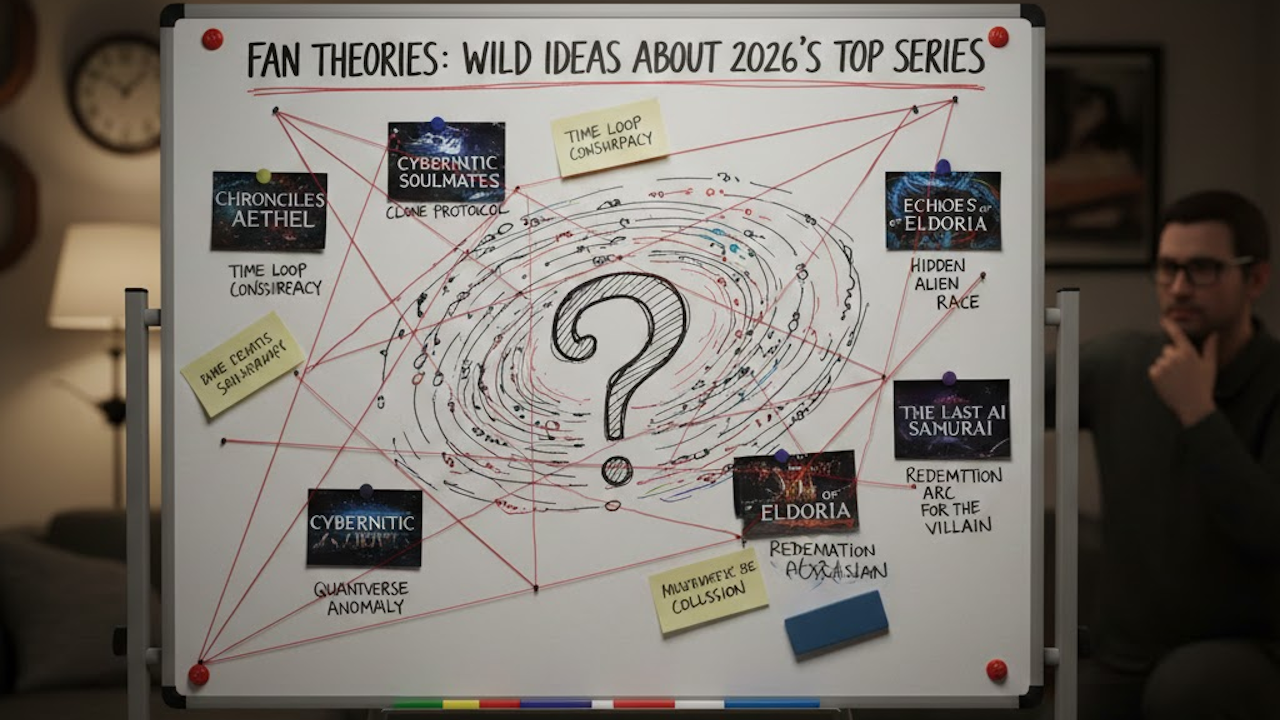
Fan theories have become a fascinating aspect of modern television series, merging creativity and speculation as enthusiasts delve into the narratives presented on screen. Originating from fans’ passion for their favorite series, these theories reflect a deeper engagement with the material, showcasing how viewers invest in the characters and plots beyond mere passive consumption. As a result, fan theories not only enable viewers to explore alternative interpretations of a storyline but often serve to enhance the viewing experience itself.
The cultural significance of fan theories has grown substantially in recent years, as social media platforms and online forums allow communities to share their speculations, creating vibrant discussions around upcoming episodes. This engagement can lead to a collective sense of excitement and anticipation, as fans rally together to predict potential plot twists or character arcs. The phenomenon extends across various series, with popular examples such as “Game of Thrones” and “Stranger Things” showcasing how fan theories can not only engage an audience but also influence show producers.
In several instances, fan theories have successfully predicted plot developments, leading to a sense of validation among viewers. For instance, prior to key revelations in “Game of Thrones,” fans speculated on character fates and storylines using evidence from earlier seasons and books. This has sparked discussions about the structure of narrative in television, emphasizing the role of audience interaction. Furthermore, the phenomenon often fosters an environment where fans feel legitimized in their interpretations, generating a sense of ownership over the narrative. As viewers collaborate to construct theories, they form connections not only with the content but also amongst themselves, enhancing the overall communal aspect of enjoying a series.
Top Series to Watch in 2026
As the entertainment landscape continues to evolve, 2026 promises a rich tapestry of new series that will captivate viewers across various genres. First on the list is “Galactic Odyssey”, a science fiction epic created by renowned filmmaker Ava Chen. This series delves into interstellar exploration, focusing on a diverse crew encountering extraterrestrial civilizations. The show is anticipated to explore themes of cooperation and conflict among species, making it a fertile ground for fan theories surrounding its multifaceted characters.
Another highly anticipated series is “Echo of Legends”, a fantasy drama developed by celebrated author Liam Marcus. Based on his bestselling novels, this series depicts a world where myths come to life. Fans can expect an intricate storyline rooted in ancient mythology and moral dilemmas, thereby paving the way for discussions around character motivations and potential plot twists.
Moreover, the celebrated return of “Urban Shadows”, a suspenseful thriller, will see its much-loved characters reappear under the creative guidance of Samira Patel. This series is expected to delve deeper into urban crime and the supernatural, which will likely ignite fervid debates among fans as they speculate on character fates and hidden agendas.
In addition to these original concepts, numerous franchises are set to make comebacks. One of the most anticipated is “Heroes Reborn”, which will revive the beloved characters from the original series. With its established fanbase, viewers are eager to see how old storylines and fresh narratives will intertwine, providing fertile grounds for countless theories.
Overall, these expertly crafted series scheduled for 2026 promise a plethora of genres, themes, and creative storytelling, drawing in audiences and fueling speculation that fans will eagerly share.
Wild Fan Theories for Each Series
As anticipation builds for the upcoming series set to premiere in 2026, fandoms have begun crafting a plethora of wild theories that reflect their fervent imaginations and deep investments in the narratives. Each series has inspired its share of outlandish theories, where creative minds speculate potential plot twists, character arcs, and narrative intertwining, often based on scant details from trailers and promotional teasers.
For instance, in the much-anticipated Series A, fans have theorized that a seemingly minor character may actually be the key to understanding the overarching villain’s motivations. This theory gained momentum following a brief scene in the trailer where this character displays a cryptic reaction to a crucial event. Supporters argue that this hints at a deeper connection, suggesting that the minor character harbors a secret that could change everything. Such theories highlight the intricacies of fan interpretation and how they can enhance the viewing experience.
Another intriguing theory can be found in Series B, where speculate that a time loop element plays a vital role in the plot. Analyzing subtle visual cues from promotional material, fans point out repetitious thematic elements that could signify time loops or alternate realities. This theory notably engages viewers, as it aligns with the series’ established complex narrative structure, further drawing in curiosity and debate amid the fan community.
Finally, Series C has sparked discussions around the potential resurrection of a beloved character, believed by many to be a central figure in the next season’s conflict. Hints have emerged through dialogue snippets and promotional artwork, suggesting that the character’s return could pivot the storyline in unexpected directions. Fans eagerly embrace this theory, providing a platform for robust discussions on how such a comeback would impact existing relationships within the plot.
These wild fan theories not only excite the audience but also foster a sense of community as fans connect over shared interpretations and speculations about their cherished series. The creative avenues explored by the community often reveal the intricate layers of storytelling, making the countdown to the premieres all the more exhilarating.
Impact of Fan Theories on Viewer Engagement
Fan theories have become an intrinsic part of the viewing experience in contemporary television, significantly shaping viewer engagement and series ratings. As audiences immerse themselves in their favorite shows, they often develop hypotheses and speculative narratives about upcoming plot developments. This communal exchange of ideas fosters a sense of belonging among fans, as they deliberate over characters and storylines through online forums, social media platforms, and fan conventions.
Moreover, anticipation surrounding a series can be considerably heightened when viewers actively engage in crafting and sharing their theories. The excitement generated by these discussions can lead to increased viewership prior to a show’s premiere or new season release. For instance, shows like “Game of Thrones” and “Stranger Things” experienced substantial spikes in viewer engagement largely attributed to the vibrant fan theories and discussions that circulated in the lead-up to new episodes. The constant speculation allowed fans to postulate on character fates and plot twists, creating a buzz that kept the audience eagerly awaiting each installment.
In addition to fostering community, fan theories can directly influence the direction of a series’ narrative. Several creators have acknowledged the impact of audience speculation on their storytelling decisions. In some notable cases, showrunners have altered character arcs or plotlines in response to fan predictions, recognizing the potential for narrative evolution that aligns with audience interests. This not only enhances viewer investment but also reinforces the idea that fan engagement can shape television narratives in real-time.
Through the integration of fan theories, series can cultivate a dynamic and interactive viewing environment, encouraging deeper connections between the story and its audience. As we look to upcoming series set to premiere in 2026, the traditions of fan engagement will likely continue to evolve, enriching the landscape of television creation and consumption.