

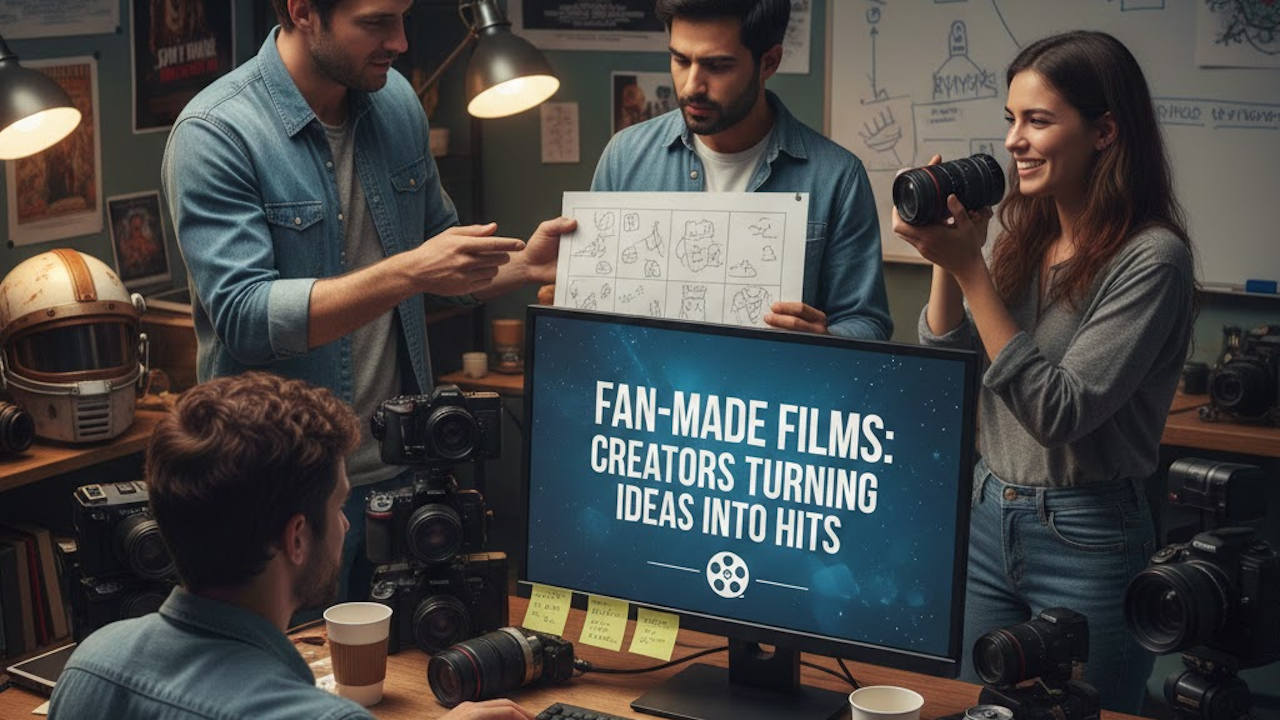
Fan-made films represent a vibrant corner of modern filmmaking where passion meets creativity. These productions, crafted by enthusiasts rather than studio executives, breathe new life into beloved franchises, characters, and universes. From short films shared on YouTube to ambitious feature-length projects, fan creators are transforming personal ideas into cultural phenomena that sometimes rival or even surpass official releases in imagination and execution. This article explores the world of fan-made films, their history, standout examples, challenges, and lasting impact on the entertainment industry.
The concept of fan films is not new, but digital technology has democratized the process. In the past, aspiring filmmakers needed expensive equipment and studio access. Today, affordable cameras, editing software, and online distribution platforms allow anyone with a story to tell to produce content. Fan films often fill gaps left by official canon, explore alternate storylines, or pay homage to source material through parody, drama, or action. They embody remix culture, where fans actively participate in the storytelling rather than remaining passive consumers.
A Brief History of Fan Films
Fan filmmaking traces its roots back decades. One of the earliest known examples dates to 1926 with a short film inspired by the Our Gang series. However, the genre gained significant traction in the late 20th century with the rise of home video and science fiction fandoms. Star Trek enthusiasts produced numerous amateur episodes, while Star Wars fans created their own adventures after the original trilogy.
The 1980s and 1990s saw notable projects like Raiders of the Lost Ark: The Adaptation. Three Mississippi teenagers, Chris Strompolos, Eric Zala, and Jayson Lamb, spent seven years filming a shot-for-shot remake of the Indiana Jones classic using the original screenplay and score. Their dedication turned a childhood project into a legendary fan effort. A 2015 documentary, Raiders!: The Story of the Greatest Fan Film Ever Made, later chronicled their journey.
The internet revolutionized the field in the 2000s. Platforms like YouTube allowed global distribution without traditional gatekeepers. Lucasfilm even launched the Official Star Wars Fan Film Awards in 2000, initially focusing on documentaries and parodies before expanding to other formats. This official recognition encouraged higher-quality productions while setting boundaries to protect intellectual property.
Other franchises followed suit. Star Trek fan series such as Star Trek: Hidden Frontier produced dozens of episodes, demonstrating the endurance of dedicated communities. Finnish production Star Wreck: In the Pirkinning became a feature-length spoof that attracted millions of downloads and DVD releases, highlighting the commercial potential of fan works when done right.
Standout Examples That Captured Attention
Many fan films have achieved viral success and critical acclaim. In the Star Wars universe, Vader Episode I: Shards of the Past, produced by Star Wars Theory, gained mainstream attention for its high production values and emotional depth. It explored Darth Vader’s backstory in ways that resonated deeply with fans.
Another impressive entry is TK-436: A Stormtrooper Story, which offered a gritty perspective from an Imperial soldier. This short film won awards and stood out for its focus on the human cost of war within the Star Wars galaxy, predating similar themes in official productions.
DC Comics properties have inspired several hits. The Punisher: Dirty Laundry, starring Thomas Jane, delivered a intense, noir-style take on the Marvel character. Its raw action and storytelling earned praise and demonstrated how fan films could attract professional talent. Grayson, a short film about Dick Grayson as Robin, also showcased slick choreography and visuals that impressed viewers.
Video game adaptations shine in the fan film space too. Portal: No Escape impressed with its professional-level production, clever camera work, and compelling narrative set in the Aperture Science facility. Uncharted: Ambush, directed by Martin Sofiedal and featuring Nathan Fillion, was so well-received that it reportedly led to job offers from the game’s developers.
Horror franchises benefit from fan creativity as well. Never Hike Alone: A Friday the 13th Fan Film captured the suspense and thrills of the original series, while other projects like Joker Rising explored origin stories with darker tones.
Power Rangers fan films have also thrived, with some shorts boasting impressive effects and ensemble casts that echo the nostalgic appeal of the 1990s series. These examples illustrate how fan creators often prioritize character fidelity and fan service over broad commercial appeal.
Technology and Accessibility Driving Success
Advancements in technology have been crucial. High-definition cameras, free or low-cost editing programs like DaVinci Resolve, and visual effects software have lowered barriers dramatically. Crowdfunding platforms such as Kickstarter enable creators to raise funds for costumes, props, and locations.
Social media amplifies reach. A well-crafted trailer can garner millions of views overnight, building anticipation and community support. Festivals dedicated to fan films provide screening opportunities and networking, while sites like FanFilmFactor document and celebrate the best works.
Creators often collaborate across distances, with actors, composers, and effects artists contributing remotely. This global talent pool results in productions that rival low-budget studio efforts.
Legal Considerations and Challenges
Fan films navigate complex copyright territory. They are derivative works, which generally require permission from rights holders. However, many fall under fair use discussions when non-commercial, transformative, and limited in scope.
Studios vary in their approach. Some, like Lucasfilm historically, offered guidelines or awards. Others issue takedown notices if projects monetize or compete directly with official content. The 2015 Axanar Star Trek project faced a lawsuit from CBS and Paramount over its high production values and crowdfunding success, leading to a settlement. This case prompted official fan film guidelines for Star Trek emphasizing non-commercial limits.
Creators mitigate risks by labeling works clearly as fan films, avoiding monetization, and sometimes seeking informal permissions. Parodies and transformative stories have stronger fair use claims. Despite challenges, many rights holders tolerate fan films for the free publicity and goodwill they generate, provided they do not harm the brand.
Budget constraints, time commitments, and burnout pose additional hurdles. Volunteers balance day jobs with production schedules, and quality can vary widely. Yet the passion often overcomes these obstacles.
Impact on the Industry and Careers
Fan films serve as proving grounds for talent. Directors like Jason Satterlund gained visibility through Star Wars fan projects such as Kenobi, which amassed views quickly and led to professional opportunities, including a feature film sale.
Studios monitor fan output for ideas and audience preferences. Successful fan concepts sometimes influence official projects, though direct adaptations are rare due to legal reasons. Fan films also keep franchises alive during content droughts, maintaining engagement between official releases.
Culturally, they foster community. Viewers contribute feedback, theories, and even resources, creating collaborative ecosystems. This participatory culture enriches the source material and inspires new generations of storytellers.
Economically, while most fan films do not generate profits, a few achieve DVD sales or sponsorships. More importantly, they build portfolios that open doors to Hollywood. Short films have long launched careers, and fan works fit this model by demonstrating skills in constrained environments.
The Future of Fan-Made Films
As virtual production, AI-assisted effects, and immersive technologies advance, fan films will likely grow more sophisticated. Augmented reality and interactive storytelling could expand the format beyond traditional video.
Studios may formalize more partnerships, offering official licenses for select projects or integrating fan creators into development pipelines. However, maintaining creative freedom remains essential to the spirit of fan filmmaking.
Challenges around artificial intelligence, deepfakes, and oversaturation will require new guidelines. Yet the core appeal endures: fans turning love for a story into tangible creations.
In conclusion, fan-made films exemplify the power of individual vision in a corporate-dominated industry. They prove that compelling stories can emerge from garages, bedrooms, and community spaces, captivating audiences worldwide. As technology evolves and communities strengthen, these creators will continue transforming ideas into hits, enriching popular culture one frame at a time. Whether short tributes or epic sagas, fan films remind us that the best stories often come from those who care most deeply.