

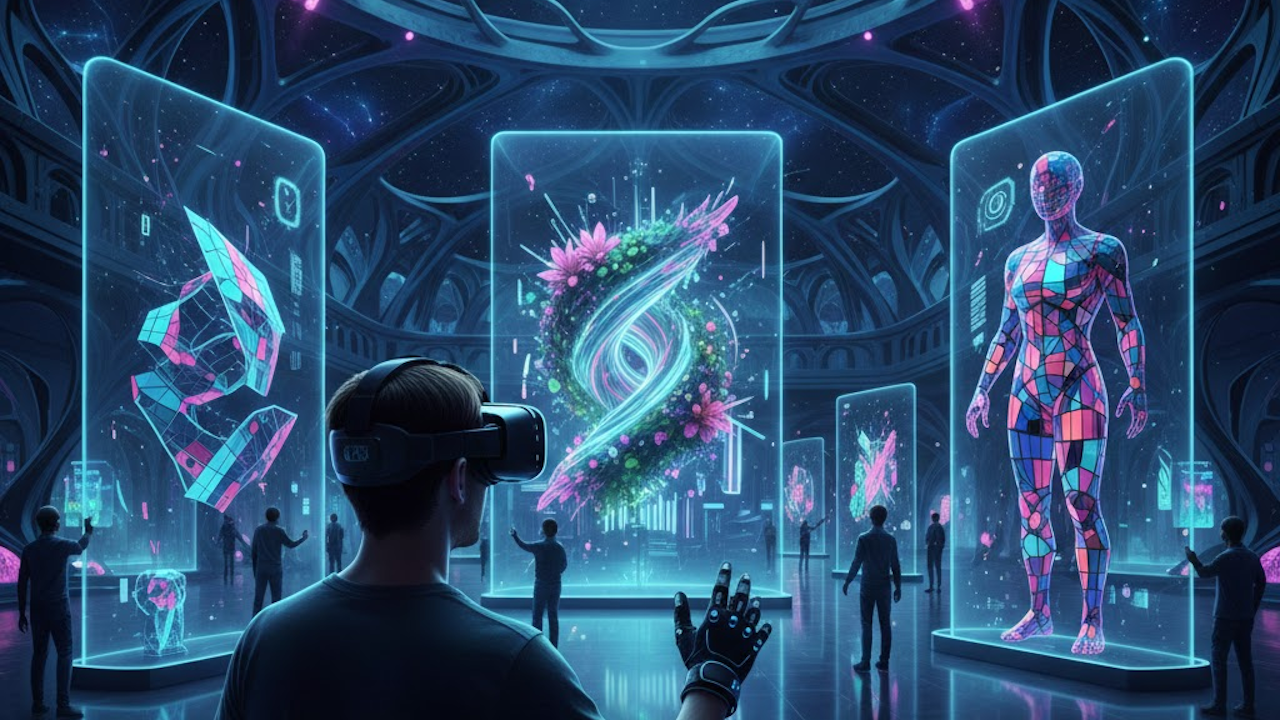
The rise of immersive digital spaces has shifted the way people experience art. Among the most exciting developments is the evolution of 3D art exhibits within the metaverse. These virtual environments allow visitors to explore galleries, sculptures, and interactive installations from anywhere in the world. They also offer artists the freedom to design spaces that transcend the limits of physical architecture. The result is a new frontier for creativity, community engagement, and cultural exchange.
A New Medium for Artistic Expression
Traditional galleries rely on physical walls, lighting constraints, and venue size. The metaverse removes these limitations. Artists can build entire worlds around their work. A sculpture can float in midair. A painting can react to the viewer’s movement. Soundscapes and animations can play an integral role in the overall experience. The metaverse becomes both a canvas and an exhibition hall, letting artists experiment with scale, physics, and storytelling in ways that are impossible in a real building.
These possibilities attract digital artists, but they also draw in creators from fields such as game design, architecture, and animation. The lines between these disciplines become blurred, which encourages collaboration and produces installations that feel both familiar and entirely new.
Accessibility and Global Reach
Traditional museums are often limited by geography. Visiting a major art exhibition might require travel and significant expense. In the metaverse, anyone with an internet connection can explore galleries built by independent artists or world renowned institutions. People can attend exhibition openings, ask questions, and meet other visitors in real time.
This accessibility also opens opportunities for emerging artists. Instead of competing for limited physical wall space, they can create their own virtual galleries, share their work with global communities, and develop distinct audiences. NFT platforms and digital marketplaces add another layer by allowing artists to sell unique pieces or limited editions directly to collectors.
Interaction and Participation
The most compelling aspect of 3D exhibits is the level of interaction they offer. Visitors are not simply observers. Many metaverse galleries encourage them to explore, manipulate objects, or unlock new parts of an installation. For example, a visitor might walk through a large scale digital painting that shifts color as they pass by. A sculpture might reveal hidden layers when touched. Entire exhibitions can adapt to a group’s collective behavior, creating social experiences that feel dynamic and alive.
Curators are also experimenting with guided tours led by virtual hosts or AI docents. These guides can share context, highlight details, and personalize the experience based on viewer preferences. This blend of education and immersion transforms the classic museum model into something far more flexible.
Cultural Preservation and Innovation
The metaverse is becoming a place where historical artifacts and cultural heritage can be preserved in high fidelity. Institutions are scanning sculptures, manuscripts, and architectural sites to create accurate 3D replicas. Visitors can examine these objects up close, view them from angles that would normally be restricted, or explore reconstructed historical settings.
At the same time, digital artists use new tools to push culture forward. They design futuristic galleries, create generative artworks, and build interactive narratives rooted in social themes. This balance of preservation and experimentation makes the metaverse a living cultural ecosystem.
Challenges and Future Directions
As promising as metaverse exhibits are, they come with challenges. The technology requires reliable devices and stable internet. Some people may feel overwhelmed by virtual environments or find navigation unfamiliar. Copyright and ownership issues remain complex in digital art markets. Curators and artists also need to consider how to make exhibitions accessible for people with disabilities.
Despite these concerns, the future looks bright. Virtual reality continues to improve, and the metaverse grows more sophisticated. Hybrid exhibitions that combine physical artwork with virtual extensions are gaining popularity. Educators and institutions are experimenting with collaborative spaces where students can create and critique art together in immersive settings.
The Creative Landscape Ahead
The metaverse is not replacing physical museums. Instead, it expands the possibilities for how art is created, shared, and experienced. It encourages people to think of exhibition spaces as fluid, imaginative, and interactive. As more artists embrace 3D worlds and as technology becomes more accessible, these digital landscapes will continue to grow into vital hubs for innovation and cultural expression.
Exploring 3D art exhibits in the metaverse invites visitors into environments shaped by creativity without boundaries. It sets the stage for a cultural movement that blends technology with human imagination in ways that feel both futuristic and deeply connected to the original purpose of art: to inspire, challenge, and bring people together.