

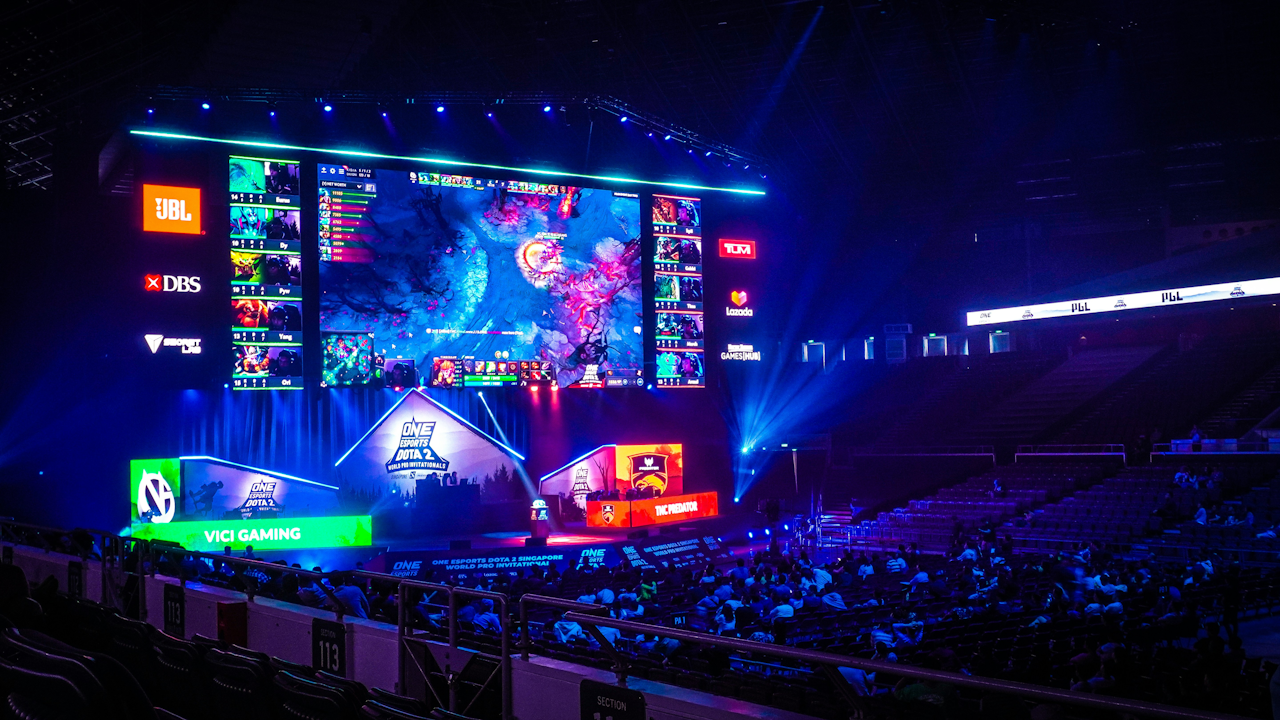
The global esports industry has matured into a professional ecosystem worth billions of dollars. In 2025, the market reached approximately 8.11 billion USD and continues expanding at a compound annual growth rate exceeding 21 percent through the next decade. Viewership surpassed 640 million fans worldwide, rivaling many traditional sports in engagement and accessibility. What began as casual online competitions has evolved into structured leagues, multimillion-dollar prize pools, and corporate-backed organizations. For aspiring professionals, esports now offers legitimate career pathways that extend far beyond simply playing games at a high level. Yet entering this field demands more than talent or passion. It requires strategic preparation, resilience, and an understanding of an industry that blends competitive gaming with business, technology, and entertainment. This article explores the realities of building a career in esports in 2025, the skills needed, the available paths, the financial landscape, and the obstacles that separate dreamers from those who succeed long term.
The esports landscape in 2025 reflects both explosive opportunity and growing pains. Large-scale events draw record audiences, while mobile gaming surges as a dominant force, particularly in emerging markets. College and university programs have expanded rapidly, with dedicated esports degrees, certificates, and varsity teams providing structured entry points. Professional organizations have consolidated, focusing on sustainable models rather than unchecked spending. Prize pools across major titles exceeded 270 million USD in 2025, a 15 percent increase from the prior year. Titles such as Counter-Strike, League of Legends, Valorant, Dota 2, and Fortnite continue to lead, but mobile games like Honor of Kings and PUBG Mobile command massive audiences and revenue. Brands invest heavily in sponsorships, content integrations, and fan experiences, while streaming platforms and short-form video fuel community growth. The industry has moved past its early hype cycle into a phase of professionalization, where data analytics, performance science, and cross-platform strategies define success. For career seekers, this maturation means more stable roles outside the spotlight, but it also raises the bar for entry.
Career opportunities in esports span competitive play and support functions that mirror traditional sports franchises. Professional players remain the most visible figures, yet they represent only a fraction of the workforce. Behind every team stands a network of coaches, analysts, managers, content creators, broadcasters, event producers, marketers, and specialized professionals in health and technology.
Professional players compete in tiered leagues with salaries, performance bonuses, and prize shares. Top talent in Counter-Strike or Valorant can earn hundreds of thousands annually from base pay alone, with elite earners reaching 480,000 USD or more in high-profile regions. Success hinges on consistent top rankings in ladders, standout tournament performances, and team chemistry. Most players peak in their late teens or early twenties, making the window for a full-time career narrow. Many transition quickly into coaching or content roles once reflexes or motivation wane.
Coaches and analysts guide strategy, review replays, and optimize team performance using advanced data tools. These roles demand deep game knowledge plus leadership and communication skills. Salaries vary but often range from 60,000 to 150,000 USD depending on the organization and title. Analysts leverage performance metrics and opponent scouting to inform draft picks or in-game decisions, turning esports into a data-driven profession.
Content creators and streamers form the backbone of fan engagement. Platforms like Twitch and YouTube allow individuals to build audiences through live gameplay, tutorials, commentary, and personality-driven content. Successful creators monetize via subscriptions, donations, sponsorships, and brand deals. In 2025, top streamers earn six or seven figures, while mid-tier creators sustain comfortable livings through diversified income. This path rewards charisma, consistency in posting schedules, and audience interaction more than raw mechanical skill.
Event organizers, production crews, and broadcast teams handle the infrastructure of tournaments. Roles include technical directors, replay operators, sound engineers, and hosts. These positions require expertise in live production software, networking, and real-time problem solving. With global events occurring year-round, demand for skilled production talent remains high. Marketing and sponsorship specialists manage partnerships, social campaigns, and fan activation. They blend traditional advertising knowledge with gaming culture to secure multimillion-dollar deals.
Emerging roles highlight the industry’s diversification. Nutritionists, sports psychologists, physical trainers, and data scientists now support player performance, addressing the intense demands of long practice sessions and high-stakes competition. University esports programs have produced graduates filling these niches, proving that formal education can accelerate entry into non-playing careers.
Success in any esports role rests on a core set of skills and personal qualities. Technical proficiency tops the list. Players and analysts must master specific games at an elite level, understanding mechanics, meta shifts, and patch impacts. For non-players, familiarity with industry tools such as streaming software, analytics dashboards, and content editing platforms proves essential. Soft skills prove equally critical. Teamwork, clear communication under pressure, and adaptability separate average performers from standouts. Emotional intelligence helps navigate the public scrutiny and rapid feedback loops inherent to online communities.
Mental and physical resilience cannot be overstated. Professional environments feature grueling schedules, travel, and the psychological toll of public failure. Top performers prioritize sleep, exercise routines, mindfulness practices, and balanced nutrition to combat burnout and repetitive strain injuries. Time management and self-discipline enable consistent improvement amid distractions. Networking and personal branding have become non-negotiable. Building visibility through social media, Discord communities, or amateur tournaments opens doors that pure skill alone cannot unlock.
Education and training pathways have proliferated in 2025. While many early professionals were self-taught, structured programs now provide competitive advantages. Dozens of universities offer bachelor’s degrees, minors, or certificates in esports management, game design, broadcasting, or performance science. Programs emphasize both gameplay and business fundamentals, including marketing, finance, and event logistics. Collegiate leagues such as those under the National Association of Collegiate Esports offer scholarships and competitive experience that translate directly to professional resumes.
For those without access to formal degrees, online bootcamps, coaching academies, and volunteer roles serve as practical alternatives. Aspiring players grind ranked ladders and enter open tournaments to build portfolios. Content creators start with free tools and small audiences, iterating based on engagement metrics. Internships at esports organizations or production companies provide hands-on exposure, often leading to full-time offers. The key remains deliberate practice combined with real-world application rather than passive consumption of gaming content.
Breaking into esports requires proactive steps rather than waiting for opportunities. Start by identifying a niche that aligns with personal strengths, whether competitive play, creative content, or operational support. Participate in local or online tournaments to gain visibility and feedback. Attend industry events, even virtually, to connect with professionals. Build a digital presence that showcases expertise, whether through highlight reels, analytical articles, or polished streams. Tailor resumes and portfolios to highlight transferable skills such as leadership from team projects or technical troubleshooting from personal setups.
Freelance or volunteer work accelerates experience. Offer to cast amateur events, manage social channels for small teams, or contribute to fan sites. Platforms that connect creators with brands or teams facilitate initial paid gigs. Persistence matters more than perfection at the outset. Rejection is common, but each tournament, stream, or project compounds into a professional network and demonstrated track record.
Financial realities in 2025 reveal a wide spectrum of earning potential. Professional players command the highest averages globally at around 138,000 USD, with North American talent often exceeding 210,000 USD due to stronger infrastructure and sponsorships. These figures include base salaries, prize winnings, and endorsement deals. However, most players sit below the top tier, relying on modest stipends supplemented by streaming revenue. Entry-level support roles in marketing or production start between 40,000 and 70,000 USD, scaling quickly with experience and specialization. Content creators experience high variance; a creator with 50,000 consistent viewers can out-earn many salaried professionals through diversified streams.
Sponsorships and merchandise add substantial upside across roles. Organizations increasingly tie compensation to performance metrics such as viewership growth or engagement rates. Long-term financial stability often depends on diversifying income early, such as investing in personal brands or pursuing education for fallback careers. Taxes, agent fees, and travel expenses can erode earnings, making financial literacy an underrated but vital skill.
Despite the allure, esports careers come with significant challenges. Player careers tend to be short, often ending by the mid-twenties due to declining reflexes or shifting metas. Burnout, anxiety, and depression affect many due to intense pressure, isolation, and online toxicity. Physical issues such as wrist strain, back pain, and eye fatigue require proactive management. Industry volatility persists, with organizational downsizing, league restructurings, and publisher decisions creating uncertainty. Match-fixing scandals and integrity concerns have spotlighted the need for stronger governance, while gender imbalances and accessibility barriers remain ongoing issues.
Regulatory gaps complicate matters. Lack of universal standards for contracts, player rights, and anti-doping creates uneven playing fields. Emerging markets face infrastructure limitations, while established regions grapple with talent shortages in specialized fields like AI-driven analytics or advanced production. For non-players, competition for roles remains fierce as more graduates enter the market each year.
Success stories illustrate what sustained effort can achieve. Many top players began as bedroom grinders who climbed ranked ladders, joined amateur teams, and eventually signed with organizations after standout performances in qualifiers. Content creators who started with modest followings have grown into media empires by consistently delivering value and authenticity. Support staff who volunteered at small events have advanced to lead production for international tournaments. These trajectories share common threads: relentless practice, adaptability to feedback, and genuine community contribution.
Looking ahead, several trends will shape esports careers through the remainder of 2025 and beyond. Mobile-first experiences will continue democratizing access, opening opportunities in regions with high smartphone penetration. Artificial intelligence tools will enhance training regimens, scouting, and fan experiences, creating demand for professionals skilled in data interpretation and tech integration. College esports programs will feed more talent into pipelines, while mergers and acquisitions consolidate organizations into more sustainable entities. Integration with traditional sports leagues may accelerate through hybrid events and shared talent development models. Sustainability and player welfare initiatives will gain prominence as the industry seeks to professionalize further.
Ultimately, a career in esports in 2025 suits those who treat gaming as both passion and profession. It rewards dedication, adaptability, and business acumen while demanding sacrifice and resilience. Prospective entrants should assess their strengths honestly, invest in skill development, and build networks early. For the right individuals, esports offers not only excitement and creativity but also the chance to participate in a global cultural phenomenon still in its growth phase. The path is demanding, yet those who navigate it with strategy and persistence can turn a hobby into a fulfilling, lucrative career. The question is not whether opportunities exist; it is whether you possess the discipline to seize them.