

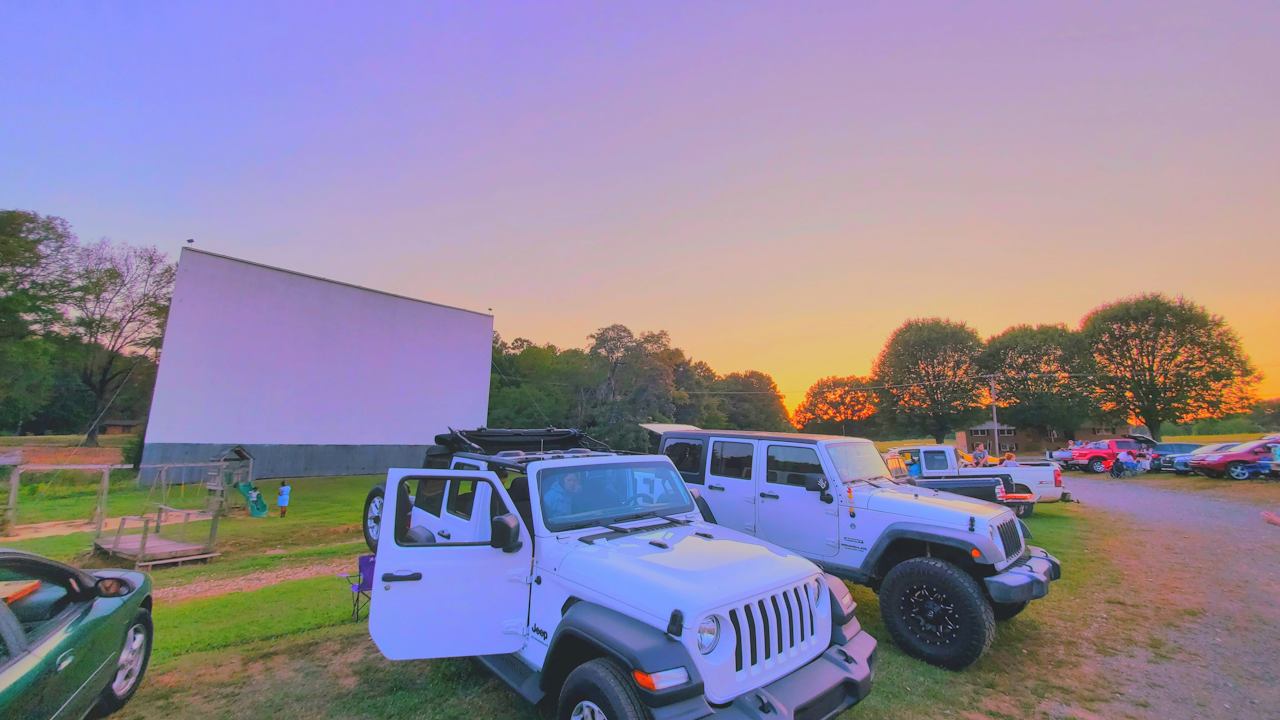
Drive-in theaters occupy a unique place in American culture. They evoke images of families piling into station wagons with blankets and snacks, teenagers on dates under starry skies, and giant screens glowing against the night. Yet beyond the romanticized past, these venues raise a question that persists today: Are drive-ins primarily vessels for nostalgia, or do they offer genuine practical advantages in the modern entertainment landscape? This article explores their history, evolution, strengths, limitations, and prospects to weigh nostalgia against practicality.
The Origins and Golden Age
The drive-in theater concept emerged in the early 1930s. Richard M. Hollingshead Jr. is credited with opening the first one in Camden, New Jersey, in 1933. He experimented in his driveway, mounting a projector on his car hood and testing sound projection to ensure viewers could hear from inside their vehicles. His patent and business model quickly spread. By the post-World War II era, drive-ins exploded in popularity. Suburban growth, affordable automobiles, and a booming baby boom generation aligned perfectly with the format.
At their peak in the late 1950s, more than 4,000 drive-in theaters operated across the United States. Many featured elaborate amenities beyond simple screens and speaker posts. Playgrounds for children, concession stands serving hot meals, and even miniature golf courses turned visits into full evenings of entertainment. Films often ran as double features, with family-oriented fare early and more adult content later. Rural and suburban locations provided ample land at lower costs, making the business model viable. Drive-ins became symbols of postwar prosperity, offering an inclusive experience where parents could bring young children without worrying about disturbing others or arranging childcare.
The Long Decline
The 1970s through the 1990s brought steep challenges. The oil crisis reduced driving. Color television sets entered most homes, followed by VCRs and cable. Indoor multiplex theaters in malls offered multiple screens, climate control, and consistent schedules regardless of weather. Rising real estate values tempted owners to sell large parcels for development. Many drive-ins shifted to exploitation films or adult content to survive, which alienated family audiences and reinforced a seedy reputation in some areas.
By the early 2000s, fewer than 400 remained operational. Numbers continued to dwindle, though pockets of resilience endured in states like Pennsylvania, Ohio, and New York. Digital projection technology in the 2010s helped some convert at significant cost, improving picture quality but straining smaller operators. Despite the decline, surviving venues often thrived on repeat visitors who cherished childhood memories.
A Pandemic-Fueled Revival
The COVID-19 pandemic delivered an unexpected boost. With indoor theaters closed or restricted, drive-ins provided a safe, socially distanced alternative. In 2020, they accounted for a massive share of box office revenue during peak lockdown months, sometimes exceeding 80 percent of total earnings when traditional venues were dark. Pop-up drive-ins appeared in parking lots nationwide, screening everything from new releases to classics. Existing theaters saw surges in attendance as people sought entertainment without shared air or crowded lobbies.
This period highlighted practicality. Families could attend together in their own space. People with mobility concerns or sensitivities to crowds found the format accommodating. The revival proved temporary in intensity but reinforced the model’s relevance during crises. Post-pandemic, attendance normalized yet remained elevated compared to pre-2020 levels at many locations.
The Nostalgia Factor
Much of the enduring appeal stems from nostalgia. For baby boomers and Generation X, drive-ins represent simpler times. Memories of wearing pajamas in the car, playground time before the show, and the crackle of speaker audio create emotional connections that streaming services cannot replicate. The ritual of arriving early, backing into the spot for optimal viewing, and sharing snacks feels communal yet private. Double features and retro marathons draw crowds seeking that vintage experience.
Marketing often leans into this. Theaters host 1950s-themed nights, classic car shows, or screenings of films like “Grease” or “Back to the Future.” Social media amplifies the aesthetic with photos of neon signs and towering screens against twilight skies. For many visitors, the movie itself becomes secondary to the atmosphere. This emotional draw sustains operations where pure economics might not. Younger generations discover the format through parents or social trends, creating new nostalgia cycles.
Practical Advantages in the Modern Era
Drive-ins offer several tangible benefits that extend beyond sentiment. Cost remains a key factor. A single ticket price often covers the entire vehicle, making outings economical for families or groups. Bringing personal snacks and drinks reduces concession expenses, though many theaters now permit this or sell food to go. Comfort stands out: viewers adjust seats, control temperature via car climate systems, and avoid lines for restrooms if using vehicle facilities discreetly.
Accessibility matters. Parents of infants appreciate the ability to tend to needs without leaving a theater. Those with disabilities may find car-based viewing easier than navigating indoor aisles. During extreme weather events or public health concerns, the format minimizes exposure risks. Sound now transmits via FM radio or apps, eliminating old speaker quality issues and allowing personal audio adjustments. Digital projectors deliver crisp images comparable to indoor venues.
Location flexibility helps too. Many operate in areas with limited entertainment options, serving as local hubs. Seasonal events, live concerts, or community gatherings expand revenue beyond films. For rural populations or those avoiding urban congestion, drive-ins provide convenient access. In an age of rising ticket prices at multiplexes, the per-person cost at drive-ins frequently undercuts competitors.
Challenges and Limitations
Practical drawbacks persist. Weather dependence tops the list. Rain, extreme heat, or cold can ruin experiences despite windshield wipers or blankets. Mosquitoes and insects plague summer nights. Audio quality, even with modern FM transmission, sometimes suffers from interference or requires tuning. Sightlines vary by parking spot, and late arrivals may end up far back. Limited film selections often favor blockbusters or classics over art-house fare.
Operational costs challenge owners. Large land requirements conflict with development pressures. Upgrading to digital systems demands investment. Seasonal operations in northern climates restrict revenue to warmer months. Competition from home streaming, virtual reality, and high-end home theaters fragments audiences. Parking capacity limits scalability compared to stadium seating indoors.
Current Landscape and Innovations
As of 2026, estimates place active drive-in theaters in the United States between 248 and 330, depending on the source and inclusion of seasonal venues. Concentrations remain in the Midwest and Northeast. Many have adapted by adding food trucks, live entertainment, or subscription models. Some partner with streaming services for exclusive content or host gaming nights with large projections.
Technology bridges gaps. High-definition screens, surround-sound FM broadcasts, and online ticketing improve convenience. Electric vehicle owners appreciate charging access at some sites. Hybrid models blend drive-in with pop-up indoor elements or augmented reality enhancements. These updates tilt the balance toward practicality while preserving core charm.
Weighing Nostalgia Against Practicality
Drive-ins succeed where nostalgia and practicality intersect. Pure nostalgia sustains cultural memory and loyal patrons but cannot alone pay rising land taxes or equipment costs. Practical elements, such as family affordability, privacy, and crisis resilience, provide the foundation for survival. The format appeals across demographics: older adults relive youth, parents seek budget outings, and young people chase unique Instagram moments.
Critics argue drive-ins represent outdated infrastructure in a digital world. Supporters counter that they offer an antidote to isolated screen time, fostering shared experiences in open air. Success stories of long-running family-owned theaters demonstrate viability when operators innovate without abandoning heritage.
The Road Ahead
The future likely holds a modest but stable role for drive-ins. Climate considerations may favor outdoor formats in some regions while challenging them in others. Economic pressures could consolidate venues under larger operators, yet independent spots endure through community support. Expansions into non-film events, such as sports broadcasts or concerts, broaden appeal. Global interest in the American drive-in model inspires similar setups abroad.
Ultimately, drive-in theaters embody both nostalgia and practicality. They remind us of simpler entertainment eras while adapting to contemporary needs for safety, comfort, and value. Whether one visits for childhood flashbacks or convenient family nights, the experience delivers something multiplexes and streaming cannot fully duplicate: movies under the stars, from the comfort of one’s own car. In an increasingly fragmented entertainment industry, that combination ensures drive-ins will continue rolling along, however modestly, for years to come.