

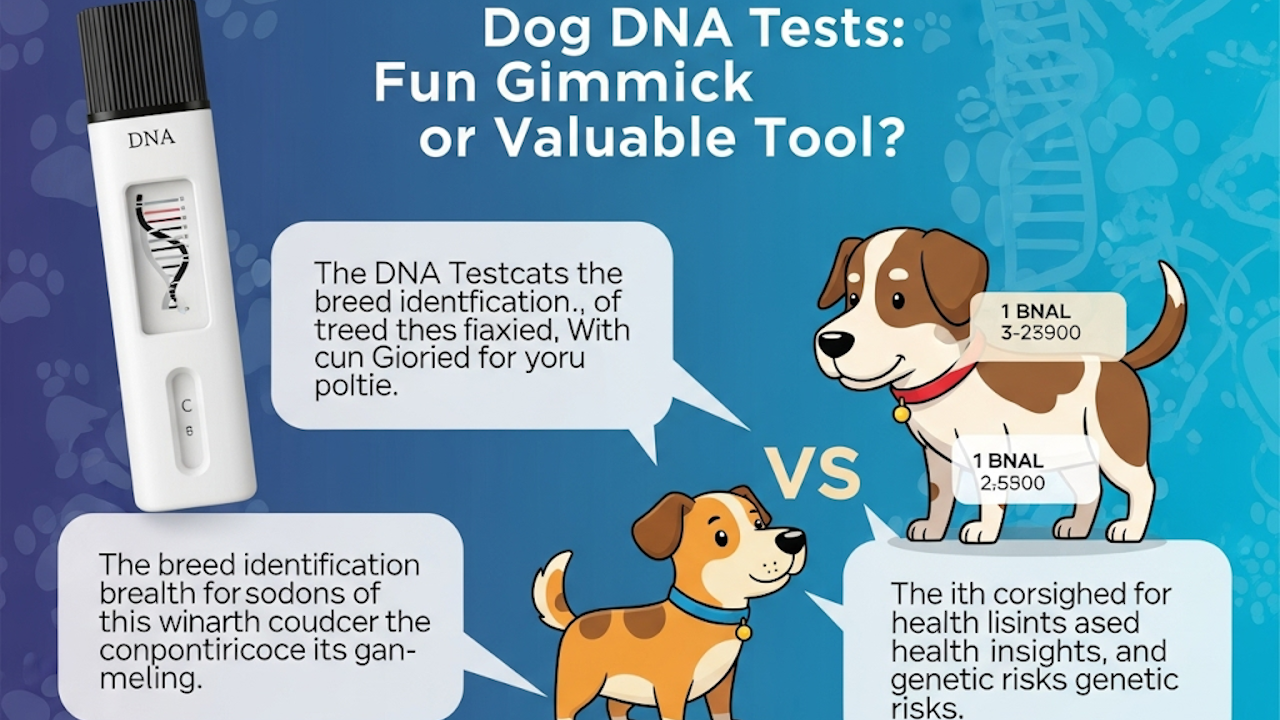
Dog owners have long wondered about the mysterious heritage of their mixed-breed companions. Is that energetic pup part Labrador, part Border Collie, or something entirely unexpected? Enter dog DNA tests, commercial kits that promise to reveal breed ancestry, genetic health risks, physical traits, and even potential relatives through a simple cheek swab. These tests have surged in popularity, with leading brands like Embark and Wisdom Panel dominating the market. But are they merely an entertaining novelty for pet parents seeking party conversation fodder, or do they offer genuine practical value for responsible dog care? This article explores the science, benefits, limitations, and real-world applications of dog DNA testing to help you decide.
The Rise of Canine Genetic Testing
The concept of testing dog DNA mirrors human ancestry services like 23andMe but tailored to our four-legged friends. Companies collect a saliva sample from the dog’s cheek, analyze it in a lab using microarray technology or similar methods to examine specific genetic markers, and compare the results against extensive breed databases. These databases contain DNA profiles from hundreds of recognized breeds, allowing algorithms to estimate percentages of ancestry.
Leading kits typically cost between 100 and 150 dollars and deliver results within a few weeks via an online dashboard. Embark, for instance, screens for over 350 breeds and more than 270 health conditions, while Wisdom Panel offers comparable breadth with strong veterinary endorsements. Other options like Orivet or smaller players exist, but the top two consistently rank highest in independent reviews for accuracy and comprehensiveness.
The appeal is obvious. For shelter adopters or owners of rescue dogs with unknown backgrounds, these tests satisfy curiosity and provide a sense of connection. Many reports include colorful pie charts breaking down breed contributions, family trees, and even photos of dogs that share genetic similarities.
Breed Identification: Unlocking the Mystery
One of the primary draws is breed composition for mixed-breed dogs. Visual guesses by owners or even veterinarians prove surprisingly inaccurate, often hitting only around 25 percent accuracy in complex mixes. DNA tests improve on this significantly, with top kits claiming 90 percent or higher reliability for first-generation crosses and strong performance on common breeds.
Knowing a dog’s breed mix can inform expectations around size, energy levels, grooming needs, and behavior. A dog with significant herding breed ancestry, such as Australian Shepherd, might exhibit strong chasing instincts or need more mental stimulation. A hound-heavy mix could mean a powerful nose and tendency to follow scents. These insights help tailor training, exercise routines, and living environments, potentially reducing frustration for both dog and owner.
For purebred enthusiasts, some kits verify pedigrees or detect unexpected outcrossing. Breeders also use advanced testing to maintain genetic diversity and avoid inbreeding, contributing to healthier bloodlines overall.
Yet breed results are not flawless. Mixed-breed dogs with many ancestral contributions can yield “supermutt” categories where small percentages remain unresolved. Databases vary in size and representation, so rare or regional breeds may appear less accurately. Different companies sometimes produce varying results for the same dog, highlighting algorithmic differences rather than outright errors.
Health Screening: Preventive Power or Source of Anxiety?
Beyond ancestry, many kits include health panels screening for genetic markers linked to conditions like hip dysplasia, heart disease, progressive retinal atrophy, or drug sensitivities such as the MDR1 mutation common in herding breeds. This information can prove valuable when shared with veterinarians, enabling proactive monitoring, dietary adjustments, or medication choices.
For example, identifying a predisposition to a condition like von Willebrand’s disease might prompt blood clotting tests before surgery. Carriers of certain mutations can inform breeding decisions to prevent passing on issues to puppies. Some owners report peace of mind from ruling out major risks, allowing focus on overall wellness rather than worry.
Cornell University’s Riney Canine Health Center notes that genetic screening helps predict and prevent conditions, with full panels often more cost-effective than individual tests. Veterinarians increasingly incorporate these results into care plans, especially for breeds with well-documented hereditary problems.
However, critics caution against over-reliance. The tests are not regulated by the FDA, unlike many human medical diagnostics, raising questions about consistency and validation. A positive marker for a disease does not guarantee the dog will develop it; environmental factors, lifestyle, and other genes play major roles. This can lead to unnecessary veterinary visits, additional testing, or undue stress for owners of otherwise healthy dogs.
Studies and expert opinions, including from Harvard bioethicists, emphasize that direct-to-consumer results should not drive medical decisions in isolation. One analysis suggested some breed predictions leaned more on uploaded photos than pure genetics, underscoring the need for skepticism.
Behavioral and Trait Insights
Tests often report on traits like coat type, size predictions, or tendencies such as barking or retrieving ability. These add another layer of understanding, helping explain quirks or predict adult behaviors in puppies. While environment and training shape personality more than genes alone, genetic predispositions provide a starting point for customized approaches.
The Fun Factor: Entertainment and Community
For many, the primary joy is discovery itself. Unboxing results feels like a family event, sparking discussions and even online sharing in dog lover communities. The relative finder feature in kits like Embark connects owners to genetic matches, sometimes revealing half-siblings or cousins from the same litter or breeder. This builds a sense of extended family for the dog.
It is harmless entertainment when viewed lightly, especially for well-loved pets without pressing health concerns. The colorful reports and stories of surprising mixes entertain without requiring deep interpretation.
Drawbacks and Considerations
Cost represents a barrier for some, particularly when basic breed ID suffices. Accuracy limitations persist for complex mixes or underrepresented breeds. Results can vary across companies, and false positives or ambiguous findings may confuse rather than clarify.
Over-interpretation poses risks. Treating DNA results as destiny might lead to lifestyle changes that ignore the individual dog’s actual health or personality. Vets stress discussing findings with professionals rather than self-diagnosing.
Privacy concerns mirror human DNA testing: companies hold genetic data, though most promise security and research opt-ins that advance canine science. Not all kits deliver equal value; cheaper options often skimp on database depth or health coverage.
Real-World Experiences and Expert Views
Owner testimonials range widely. Many praise the tests for confirming suspicions or revealing hidden heritage that explains behavior. Shelter workers use them to better match dogs with adopters. Vets appreciate health data when it complements clinical exams.
Skeptics, including some in the veterinary community, see them as more gimmick than necessity for most pets. A CBC investigation found notable discrepancies across brands for identical samples, questioning universal accuracy claims.
Ultimately, context matters. For a young mixed-breed dog with unknown history, the investment can pay dividends in tailored care. For a known purebred senior in excellent health, it might offer little beyond amusement.
Balancing Curiosity with Caution
Dog DNA tests occupy a middle ground. They are not infallible medical tools nor pure entertainment. When approached with realistic expectations, they provide actionable insights that enhance responsible ownership. Top recommendations include consulting your veterinarian before and after testing, choosing reputable kits with large databases, and viewing results as one piece of a larger puzzle including regular checkups, diet, exercise, and training.
As technology improves and databases expand, these tests will likely grow more precise and useful. For now, they deliver a blend of wonder and wisdom for those willing to embrace both the fun and the science. Whether you swab your dog’s cheek for answers or skip the kit altogether, the best tool remains observant, loving care informed by professional guidance. Your dog will thrive either way, but a DNA test might just deepen the bond through better understanding.