

Seasonal wreaths have long served as symbols of welcome, celebration, and the natural cycle of the year. Their circular form suggests continuity and eternity, a motif that appears in ancient traditions from Greek and Roman festivals to Victorian holiday customs and modern celebrations. Today, creating your own wreaths through DIY methods brings multiple rewards. You save money compared with store versions that often cost far more. You gain complete control over colors, textures, and themes so the finished piece matches your home and personality exactly. The process itself offers relaxation and a chance to involve family members in a shared activity. Best of all, each wreath becomes a personal story that greets visitors and marks the passage of seasons.
This guide provides everything needed to succeed, whether you are new to crafting or already experienced. It covers essential supplies, reliable construction techniques, and detailed projects for spring, summer, fall, winter, plus special occasions that fall outside strict seasonal boundaries. Every project includes clear materials lists and numbered steps so you can follow along confidently. Tips for customization, storage, and longevity appear throughout to help your creations last and look their best year after year.
Essential Materials and Tools
A well stocked supply kit makes every wreath project smoother. Start with the base, which determines the overall style and weight. Grapevine wreaths deliver a rustic, organic look and accept wired attachments easily. They range from twelve inch versions suitable for small doors or apartments up to twenty four inches or larger for bold statements. Foam bases are lightweight and forgiving, ideal when you plan to insert many flower stems. Wire frames let you build custom density and work well when you want to layer multiple elements or add chicken wire for holding moss. Straw bases suit heavy fall items such as pumpkins because they provide strong support.
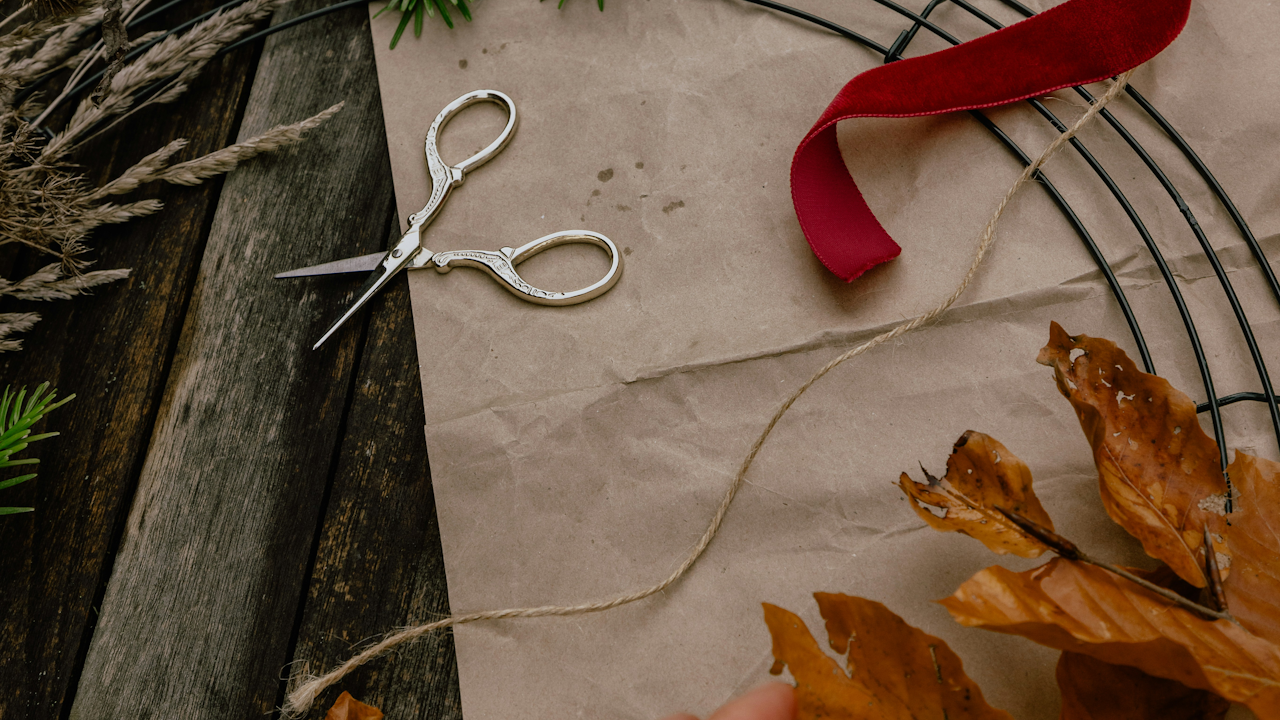
Next gather fastening supplies. A hot glue gun with both high and low temperature sticks handles most lightweight items quickly. Florist wire in green or brown blends into arrangements and comes in several thicknesses for different jobs. Floral tape wraps stems neatly and creates tidy bundles. Sharp scissors and wire cutters complete the basic toolkit.
Ribbon transforms any wreath. Choose wired ribbon so bows hold their shape. Widths from one inch for delicate accents up to four inches for dramatic focal points work well. Keep several colors and patterns on hand, including solids, plaids, and seasonal prints.
Embellishments form the personality of each wreath. Artificial flowers and greenery last indefinitely and resist weather when displayed outdoors. Natural options such as fresh evergreens, dried leaves, pinecones, acorns, and wheat add scent and texture but require more care. Themed items include ornaments, small signs, figurines, berries, and battery operated lights. For natural projects, collect materials during walks, always confirming local rules and avoiding protected plants.
Additional helpful items include protective gloves, a drop cloth for your work surface, measuring tape, and optional spray paints or adhesives for finishing touches. Source supplies from craft stores during sales, dollar stores for basics and seasonal picks, thrift shops for unique vintage finds, and clearance sections after holidays. Buying off season stretches budgets significantly.
Mastering Basic Wreath Construction
Successful wreaths follow a logical order that builds from background to focal points to finishing details. Begin by preparing your workspace with good lighting and a protected surface. Sort all materials by color or type so you can work efficiently without constant searching.
Inspect and ready the base. Fluff grapevine sections to create spaces for insertions. Wrap foam bases with ribbon, burlap, or moss if you want a polished background that hides the core. Plan the overall design before attaching anything. Lay larger items around the circle to check spacing and balance. Aim for visual weight distributed evenly, with the strongest focal point usually at the bottom center or top.
Attach the background layer first. Secure bundles of greenery or base color with wire or glue, overlapping pieces so no gaps show. This step creates fullness and sets the color palette. Next add main decorations such as large flowers or themed objects. Insert stems into foam or wire them firmly to grapevine. Cluster similar items rather than scattering them for greater impact.
Fill remaining spaces with smaller elements. These transitional pieces add depth and prevent a sparse appearance. Create the bow last or near the end. Form multiple loops with wired ribbon, secure the center with wire, and fluff the loops and tails. Attach the bow at the top for a classic look or let it cascade from the bottom center for drama. Add any lights or mechanical pieces at this stage, hiding battery packs behind the wreath or at the very bottom.
Inspect the finished piece from several angles and distances. Tighten loose wires, add extra glue where needed, and trim stray stems. Hang the wreath using a sturdy over the door hanger or wall hook rated for the weight. For extra security outdoors, add a second attachment point on windy days.
Common pitfalls include overcrowding, which makes the design feel chaotic, and weak attachments that fail in weather. Work in sections, stepping back often to evaluate. Odd numbers of repeated elements usually appear more natural than even counts. With these fundamentals in place, any seasonal theme becomes achievable.
Spring Wreaths: Renewal and Gentle Celebration
Spring wreaths celebrate new growth, longer days, and fresh colors. They suit Easter gatherings, Mother’s Day, or simply brightening an entryway after winter. Pastel palettes, delicate blooms, and symbols of life such as eggs and butterflies define the season.
A pastel floral Easter wreath offers an excellent starting project. Use an eighteen inch foam or grapevine base, silk flowers in soft pink, mint, lavender, and yellow, baby’s breath for filler, eucalyptus or fern greenery, small decorative eggs or bunny picks, and coordinating wired ribbon.
Prepare the base by wrapping foam with green tape or fluffing grapevine. Trim flower stems to two or three inches and form small mixed bunches. Attach the largest bunches first at the bottom center, spacing them evenly around the circle. Tuck greenery between flowers to add texture and fill gaps. Secure eggs or bunny picks near the blooms or clustered at the bottom for a focal point. Finish with a generous bow that has long flowing tails. The completed wreath brings cheerful color and takes roughly one to two hours.
Variations expand the possibilities. A tulip wreath uses bright yellow and red blooms for stronger energy. A butterfly garden version adds colorful butterfly ornaments among the flowers. For a natural feel, incorporate dried flowers and pressed leaves collected the previous year. A cherry blossom wreath wires pink and white blossom branches onto grapevine with a few small nests or eggs tucked in for whimsy.
Display spring wreaths on front doors, above mantels, or as wall art in living areas. Because spring weather can shift quickly, choose weather resistant artificial materials for outdoor use or bring the wreath inside during heavy rain. Refresh the look each year by swapping a few key flowers or changing the ribbon color.
Summer Wreaths: Brightness and Festive Energy
Summer designs feel bold, sunny, and full of movement. Patriotic themes for the Fourth of July, coastal elements, and cheerful sunflower arrangements all fit the season’s lively spirit.
A patriotic Fourth of July wreath captures national pride beautifully. Select a twenty inch grapevine or wire base, red white and blue flowers or fabric strips, small flags and star picks, red white and blue ribbon possibly with star or stripe patterns, and battery lights if desired. Weave or wrap the ribbons around the base first, securing at intervals. Add flower clusters in patriotic hues, spacing groups evenly. Insert flags and stars throughout, clustering several together for emphasis. Weave lights carefully if using them, then attach a large bow with extra long tails that move in summer breezes. The wreath looks festive on porches during barbecues and fireworks.
A sunflower wreath provides a non patriotic alternative full of warmth. Large artificial sunflowers form the core, surrounded by smaller yellow blooms and abundant green leaves. A bright yellow or brown ribbon bow completes the cheerful field inspired look. For coastal homes or summer vacations, a beach themed wreath combines seashells, starfish, blue and aqua ribbons, netting scraps, and driftwood accents on a grapevine base.
Summer wreaths benefit from UV resistant materials when hung in direct sun. Secure every element firmly because wind can loosen lighter pieces. Bring delicate versions inside during storms. These projects encourage outdoor living and make wonderful hostess gifts for summer gatherings.
Fall Wreaths: Abundance, Harvest, and Spooky Fun
Fall offers perhaps the richest palette and most abundant natural materials. Warm oranges, deep reds, golds, and browns pair with textures such as leaves, pinecones, and wheat. Projects range from welcoming harvest designs to playful Halloween displays.
A classic autumn harvest wreath suits Thanksgiving perfectly. Use an eighteen to twenty four inch straw or grapevine base, dried or artificial autumn leaves, mini pumpkins or gourds, pinecones, acorns, wheat stalks, cinnamon sticks or dried orange slices, and plaid or solid orange ribbon. Attach leaves first, overlapping generously to cover the entire base. Position larger pumpkins at the bottom center as a focal point, securing with glue or floral picks. Add pinecones, acorns, and wheat throughout for height and texture. Finish with a large bow that has generous tails. The wreath fills the home with natural scent when real spices or citrus are included.
For Halloween, adapt the same base with darker tones. Black or orange painted elements, dark flowers, spiders, bats, ghosts, candy corn, and flickering battery lights create spooky yet family friendly fun. Layer base materials, add themed picks and figures, and finish with a black and orange polka dot or striped bow. A scarecrow face or small hat in the center surrounded by hay and crows offers another playful direction.
Fall projects welcome real gathered materials, though glycerin preserved leaves last longer than freshly fallen ones. Check outdoor wreaths regularly for wildlife attracted to natural items. Store completed fall wreaths in large labeled boxes with tissue paper to preserve shape between seasons.
Winter Wreaths: Festivity, Warmth, and Light
Winter wreaths bring coziness and celebration during shorter days. The evergreen Christmas wreath remains the most recognized example, but designs can extend through New Year’s and general winter themes.
A traditional Christmas evergreen wreath begins with a wire or grapevine base suited to holding moisture if fresh branches are chosen. Use fresh or artificial fir, pine, cedar, or spruce, pinecones, red berries, dried orange slices, cinnamon sticks, small ornaments or bells, battery operated lights, and red or plaid ribbon. Attach evergreen pieces first, overlapping to achieve thick luxurious coverage. Add pinecones in clusters and berry picks for color contrast. Weave lights evenly throughout, hiding wires and the battery pack. Position ornaments carefully so they do not overwhelm the greenery. Complete the design with a full bow, perhaps layered with multiple ribbon types for dimension.
Fresh versions require daily misting and a cool location to stay vibrant. Artificial versions last many seasons with proper storage. Elegant variations include all white and gold palettes with sprayed pinecones and pearl accents. Rustic farmhouse styles mix burlap, plaid, and natural elements. New Year’s versions add gold and silver sparkles, small clock faces, or a banner wishing happy new year.
Safety matters with winter wreaths. Battery lights eliminate cord hazards on doors. Never use real candles. When the season ends, compost natural materials and save reusable components for future projects.
Special Occasion Wreaths for Personal Milestones
Many celebrations fall outside the four main seasons yet deserve dedicated wreaths. Valentine’s Day designs center on romance with red and pink roses, hearts of varying sizes, lace accents, and a prominent heart shaped bow or entire heart form. St. Patrick’s Day versions go green with shamrocks, leprechaun hats, pots of gold, rainbows, and Irish themed ribbon. Birthday wreaths can incorporate the celebrant’s age in numbers, favorite colors, balloons, and small wrapped gift accents. Wedding or anniversary wreaths match the couple’s colors and bouquet flowers, perhaps featuring a monogram or meaningful charms. Baby shower wreaths use soft pastels, booties, rattles, or animal motifs that coordinate with the nursery theme.
These projects make meaningful gifts. Create a full size version for the home or a smaller tabletop version as a present. Personalization turns a simple craft into a cherished keepsake.
Maintenance, Storage, and Creative Extensions
Proper care keeps wreaths looking fresh across multiple seasons. Dust artificial pieces regularly with a soft brush or cool hair dryer. For outdoor display, choose weather rated materials and bring wreaths inside during extreme conditions. Store completed pieces in cool dry locations inside large boxes or dedicated wreath bags, using tissue to maintain shape. Label boxes clearly by season or occasion for quick retrieval.
Refresh older wreaths by replacing faded elements rather than starting from scratch. Upcycle household items such as old sweaters turned into fabric flowers or broken jewelry used as sparkling accents. Add scent with hidden cotton balls treated with essential oils or through naturally fragrant items like lavender and rosemary. For family fun, design interactive versions with removable pieces that children can rearrange.
Advanced crafters enjoy creating coordinated sets, one wreath per season using a consistent base style but changing only the embellishments. This approach produces a polished year round display. Large events benefit from oversized wreaths or matching smaller versions placed throughout a venue.
Budget conscious makers shop clearance racks after holidays, participate in craft supply swaps, and forage responsibly for natural materials. Always prioritize safety with hot glue, small parts around children and pets, and flame resistant choices near fireplaces.
The Lasting Reward of Handmade Wreaths
Each wreath you create adds more than decoration. It marks time, expresses care, and turns ordinary doors into personal statements of welcome. The skills developed transfer easily to other crafts, and the habit of seasonal making becomes a treasured family ritual. Begin with simple projects, experiment freely, and enjoy the process as much as the finished result. Your efforts will bring color, texture, and warmth into your home through every season and celebration ahead. Happy crafting.