

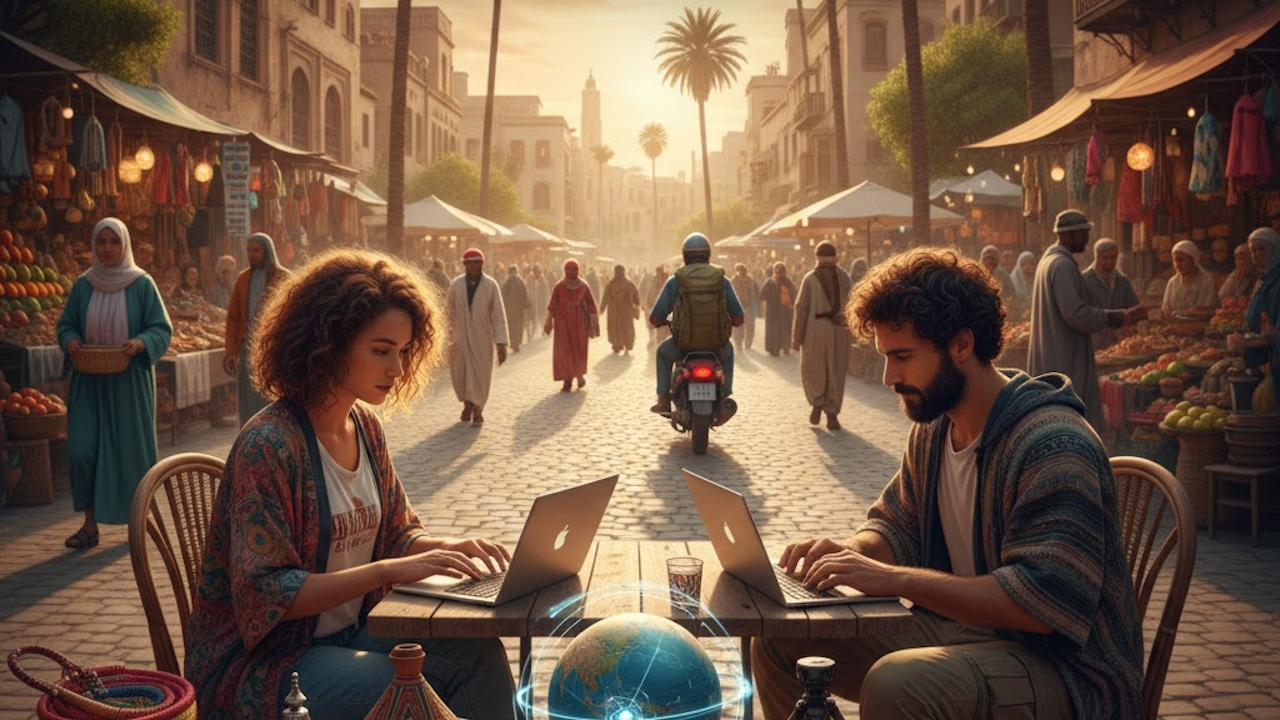
The digital nomad lifestyle represents one of the most significant shifts in how people work and live in the 21st century. Freed from traditional office constraints by laptops, high-speed internet, and cloud-based tools, millions now traverse the globe while maintaining professional careers. This mobility brings constant encounters between diverse cultures. From bustling streets in Bangkok to quiet cafes in Lisbon, nomads navigate not just new environments but also profound collisions of values, customs, and worldviews. These interactions shape personal growth, challenge assumptions, and sometimes create friction that reveals deeper truths about human society.
The Emergence of a Mobile Workforce
Digital nomadism gained traction in the early 2010s, fueled by advancements in technology and changing attitudes toward work. What began as a niche choice for freelancers and tech professionals has expanded into a global movement. Estimates suggest there are over 35 million digital nomads worldwide, with numbers growing steadily after the widespread adoption of remote work during the global health crisis of 2020. Countries like Portugal, Estonia, and Thailand have introduced specialized visas to attract this demographic, recognizing the economic benefits of their spending power.
For many, the appeal lies in escaping the nine-to-five grind and high living costs in major cities. A software developer from San Francisco might base operations in Bali for months, enjoying lower expenses and a tropical climate. Yet this freedom comes with an implicit trade-off: constant cultural adaptation. Unlike tourists who visit briefly, nomads embed themselves in local communities for weeks or months, leading to deeper, sometimes uncomfortable engagements with unfamiliar ways of life.
First Encounters: The Shock of the New
Culture shock is a familiar companion for digital nomads. Arriving in a new destination often triggers a whirlwind of sensory and social adjustments. Consider the transition from the ordered efficiency of Northern European cities to the vibrant chaos of markets in Marrakech. Negotiating prices, dodging motorbikes, and deciphering unfamiliar social cues can overwhelm even seasoned travelers.
Language barriers amplify these collisions. While English serves as a lingua franca in many nomad hubs, it falls short in everyday interactions. A nomad ordering coffee in rural Vietnam might encounter confusion over portion sizes or sweetness levels rooted in local tastes. Simple tasks like renting an apartment or dealing with bureaucracy reveal differences in time perception. In some cultures, punctuality is sacred; in others, relationships take precedence over schedules, leading to missed appointments or delayed services.
Social norms around personal space, communication, and hierarchy further complicate matters. In Japan, indirect communication preserves harmony, which can frustrate direct-speaking Americans accustomed to blunt feedback. Gender roles vary widely too. Female nomads in conservative regions may adjust their dress or behavior to align with expectations, sometimes feeling restricted compared to their home environments. These adjustments highlight how deeply culture influences daily life.
Food provides another arena for collision. Nomads accustomed to plant-based diets in California might struggle with meat-heavy traditions in Argentina or find vegetarian options scarce in certain parts of Eastern Europe. Dietary customs tied to religion or history, such as halal practices or fasting periods, require sensitivity and flexibility. Sharing meals often opens doors to cultural exchange, but it can also expose underlying tensions when personal preferences clash with hospitality norms.
Work, Productivity, and Cultural Rhythms
Balancing professional responsibilities with cultural immersion presents unique challenges. Time zone differences already complicate collaboration with remote teams. Add local customs, and the equation grows complex. In Spain, the siesta tradition might slow afternoon business, while in Indonesia, frequent religious observances influence work hours.
Co-working spaces in nomad hotspots like Chiang Mai or Medellin attempt to bridge these gaps by creating familiar environments. Yet even here, cultural dynamics emerge. Group projects might reveal contrasting approaches to decision-making: individualistic versus consensus-driven. A nomad from a low-context culture, where communication is explicit, may misinterpret the high-context subtlety common in many Asian societies.
Internet reliability varies dramatically. Reliable connectivity in Estonia contrasts with frequent outages in parts of Southeast Asia, forcing nomads to adapt workflows. Power cuts or slow speeds can disrupt video calls, testing patience and resourcefulness. These practical hurdles intersect with cultural attitudes toward technology and progress, sometimes leading to insightful conversations about development and globalization.
Personal Growth Through Friction
Despite difficulties, cultural collisions foster significant personal development. Exposure to different value systems encourages self-reflection. A nomad raised in an individualistic society might discover the warmth of community-oriented cultures in Latin America, where family and social bonds take center stage. This can prompt reevaluation of priorities, leading to more balanced lifestyles.
Empathy grows through understanding. Witnessing how locals navigate economic challenges or environmental constraints builds appreciation for resilience. Nomads often report heightened creativity after periods of disorientation. The need to solve problems across cultural lines sharpens critical thinking and adaptability, skills valuable in any career.
Language learning becomes a gateway to deeper connections. Mastering basic phrases in Thai or Portuguese not only eases daily life but signals respect, opening authentic interactions. Over time, nomads build hybrid identities, incorporating elements from multiple cultures into their own perspectives.
Challenges and Ethical Considerations
Not all collisions yield positive outcomes. Economic disparities can create resentment. Nomads with higher purchasing power sometimes inflate local prices, making housing less affordable for residents. This “digital nomad gentrification” appears in places like Lisbon or Mexico City, where rising rents displace long-term inhabitants.
Cultural appropriation poses another risk. Adopting traditional clothing or practices without understanding their significance can offend locals. Nomads must navigate the fine line between appreciation and exploitation. Environmental impact adds complexity: increased tourism strains resources in fragile ecosystems, from Bali’s water shortages to the waste generated in popular destinations.
Mental health concerns arise from prolonged rootlessness. Loneliness affects many despite constant movement, as superficial connections in co-working spaces rarely replace deep friendships. The pressure to maintain productivity while adapting culturally can lead to burnout. Those with families face additional layers, balancing children’s education with mobility.
Visa regulations introduce uncertainty. Policies change frequently, and overstaying carries consequences. Nomads must stay informed about legal frameworks across borders, adding administrative burden to their mobile lives.
Stories from the Road
Consider Maria, a graphic designer from Brazil who spent a year in Hanoi. Initially overwhelmed by the density and noise, she gradually embraced street food culture and motorbike commuting. Her work with Vietnamese clients taught her nuanced negotiation styles that improved her international projects. Yet she struggled with family expectations back home, where extended visits are the norm.
Or Alex, an American engineer in Tbilisi, Georgia. The post-Soviet blend of traditions and modernity fascinated him. Georgian hospitality warmed his initially isolated experience, but bureaucratic inefficiencies tested his patience. Through friendships formed in local wine bars, he gained insights into historical resilience that reshaped his worldview.
These anecdotes illustrate the richness and complexity of nomadic life. Each journey weaves personal narrative with broader cultural threads.
Strategies for Successful Navigation
Experienced nomads develop approaches to manage cultural collisions. Research before arrival helps set realistic expectations. Apps and online communities provide practical advice, from safety tips to etiquette guides. Slow travel, staying longer in fewer places, allows deeper integration than rapid hopping.
Mindfulness practices support emotional regulation during adjustment phases. Journaling reflections on cultural differences aids processing experiences. Building local networks through language exchanges or volunteering fosters belonging.
Flexibility remains key. Embracing uncertainty rather than resisting it transforms potential conflicts into opportunities. Respectful curiosity, paired with humility, smooths interactions. Nomads who prioritize listening over speaking often form more meaningful connections.
Financial planning supports sustainability. Diversifying income streams and maintaining emergency funds buffers against unexpected cultural or logistical hurdles.
Broader Impacts on Societies
Digital nomads influence the places they visit. Economically, they inject capital into tourism-dependent areas, supporting small businesses and creating demand for services like co-working and co-living. Culturally, they introduce new ideas and perspectives, sometimes sparking innovation in local economies.
Yet benefits are not uniform. Uneven distribution favors urban centers, leaving rural areas behind. Environmental footprints raise sustainability questions. Some destinations implement regulations to manage inflows, balancing economic gains with community needs.
On a global scale, nomadism accelerates cross-cultural understanding. As individuals carry experiences across borders, they contribute to a more interconnected world. This mobility challenges national identities and promotes hybrid cultural forms.
Looking Ahead
The future of digital nomadism appears robust, driven by technological progress and shifting work norms. Artificial intelligence may further liberate professionals from location dependencies. Climate change could redirect flows toward more resilient destinations. Policy responses will shape trajectories, with some nations embracing nomads while others restrict access.
Challenges like digital divides and geopolitical tensions may temper growth. Yet the core appeal persists: the pursuit of freedom through mobility and the richness found in cultural collisions.
Conclusion
Digital nomad life embodies both adventure and adaptation. Cultures colliding on the road generate friction that sparks transformation. For those willing to embrace discomfort, the rewards include expanded horizons, refined skills, and a more nuanced appreciation of human diversity. This lifestyle is not merely about changing locations but about evolving through encounters that transcend borders. As more people choose this path, the collisions will continue shaping individuals and the world they inhabit. The road ahead promises ongoing discovery, reminding us that in movement, we often find our deepest connections to humanity.