

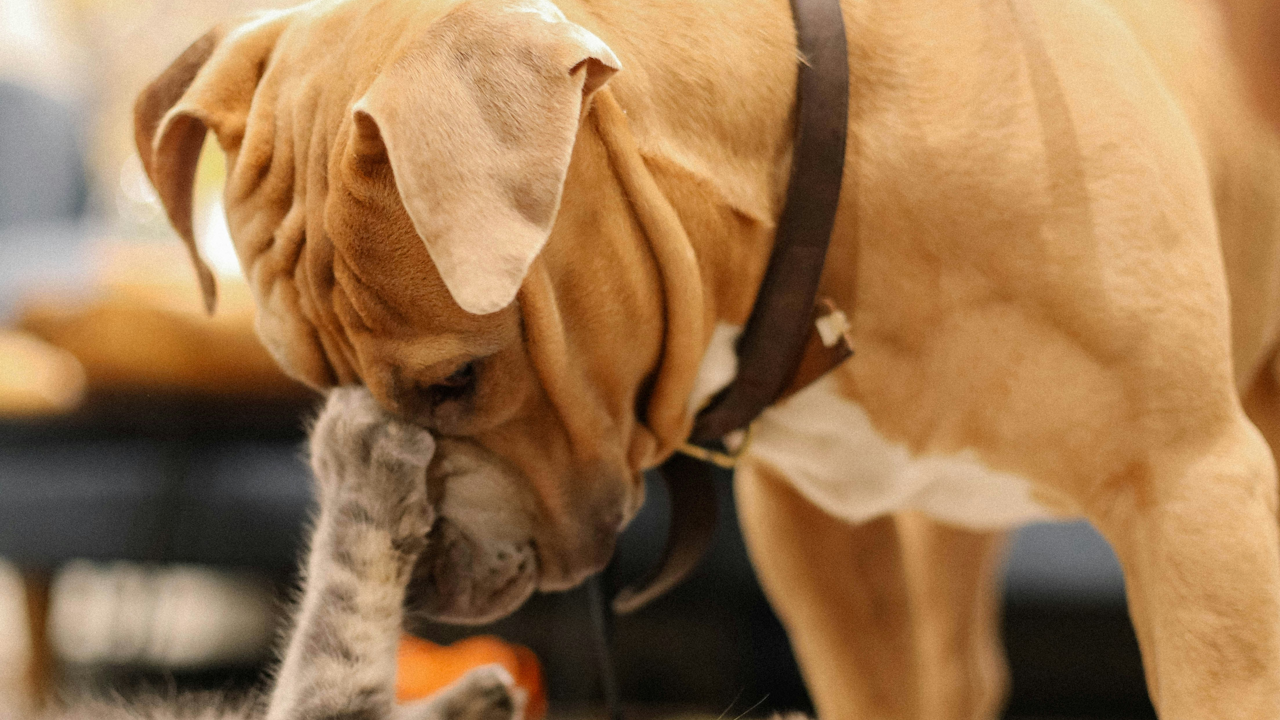
Pets share our homes and our lives yet they speak a language without words. Their bodies convey everything from joy to fear every single day. Learning to decode these signals transforms the relationship between human and animal. It reduces stress prevents bites or scratches and deepens the bond that makes pet ownership so rewarding. Whether you share your space with a dog a cat a rabbit a bird or a small rodent the ability to read posture ears tails eyes and subtle movements gives you insight into what your companion feels thinks and needs. This article explores the science and practice of pet body language in depth so you can become fluent in your pet’s silent conversation.
Why Body Language Matters More Than You Think
Animals evolved to communicate through physical cues long before humans domesticated them. In the wild these signals helped them avoid conflict find mates or warn of danger. Domestic pets retain most of those instincts even though their environment has changed. A dog that feels cornered may freeze or growl before it snaps. A cat that arches its back is not just stretching; it is preparing to defend itself. Misreading these signs can lead to accidental injury or chronic stress for the animal.
Studies in animal behavior show that owners who accurately interpret body language report fewer behavioral problems and stronger emotional connections. The payoff is practical: you catch illness early notice anxiety before it escalates and respond to play invitations at the right moment. Context always matters. The same tail wag can mean excitement in one situation and uncertainty in another. Breed personality age and past experiences all color the message so treat every observation as part of a larger picture rather than an isolated clue.
The Foundation: Reading the Whole Body
Before diving into species specific signals remember that pets rarely send a single cue. They speak in full sentences composed of posture facial expression vocal tone and movement speed. A relaxed pet carries its weight evenly muscles loose and movements fluid. Tension shows in stiff limbs tucked tail or rapid shallow breathing. Always compare the current posture to your pet’s normal baseline. What looks relaxed for an energetic border collie might signal fear in a laid back basset hound.
Temperature and lighting also influence what you see. A cold room may cause a cat to puff its fur for warmth which can mimic fear. Bright light narrows pupils so a cat’s “angry” eyes might simply reflect the sun. Observe in familiar settings and note patterns over time.
Dogs: The Masters of Expressive Posture
Dogs are highly social and their body language evolved to be read by pack members including humans. Their signals are often bold and easy to spot once you know what to look for.
Tail Talk
A wagging tail is not always friendly. The height speed and looseness matter. A loose wide wag at mid height usually signals happiness or friendliness. A high stiff wag with a fast vibrating motion can indicate arousal or dominance. A low tucked tail pressed against the belly screams fear or submission. Some dogs with docked tails or naturally short tails lose part of this vocabulary so watch the base of the tail and the hindquarters instead.
Ears and Eyes
Forward ears pointed toward you or a sound show interest or alertness. Ears pulled back flat against the head signal fear or aggression. Whale eye the white rim showing around the pupil indicates stress or discomfort. Soft blinking eyes relaxed gaze and half closed lids mean contentment. Hard staring with dilated pupils warns of a challenge or fear.
Mouth and Facial Muscles
A relaxed open mouth with tongue lolling sideways equals pure joy. Lip licking or yawning outside of sleep or mealtime often signals anxiety. A closed mouth with tight lips or a slight curl at the corners can precede a growl. Teeth bared in a snarl combined with a wrinkled muzzle and forward ears is a clear threat. Play bows front end down rear up with a happy open mouth invite fun not fighting.
Overall Posture
A play bow or bouncy loose movements invite interaction. A dog that leans forward weight on front paws and stiffens is investigating or guarding. Rolling over to expose the belly can mean trust or an attempt to appease. If the dog then freezes or shows whale eye it is not asking for a belly rub; it is showing submission out of fear. Cowering low to the ground ears back and tail tucked means the dog wants space.
Common Dog Scenarios
When meeting a new person a confident dog approaches with a loose body and soft eyes. A nervous dog may circle behind its owner or freeze. During car rides panting excessive drooling or pacing signals anxiety not just excitement. At the vet clinic many dogs pant heavily or avoid eye contact because they feel vulnerable.
Cats: Subtle Signals Hidden in Plain Sight
Cats are more independent and their language is quieter. They rely on small movements that owners often miss.
Tail Language
A tail held high like a flag signals confidence and friendliness. A gentle curve at the tip adds extra warmth. Quick flicking or thrashing at the end means irritation. A puffed bottle brush tail combined with an arched back indicates extreme fear or anger. A low tail tucked between the legs shows insecurity.
Ears Whiskers and Eyes
Ears forward and slightly rotated mean curiosity. Ears swiveled sideways like airplane wings signal annoyance. Ears pinned flat back against the head warn of impending attack. Whiskers relaxed and fanned forward show interest. Whiskers pulled tight against the face indicate stress. Slow blinking is the feline equivalent of a smile; return it and your cat will feel understood. Dilated pupils in low light are normal but in bright light they signal fear or excitement.
Body Posture
A cat that rubs against your legs or head butts you is depositing scent and claiming you as family. Kneading with front paws on a soft surface while purring means deep contentment. An arched back with fur raised is the classic Halloween cat pose of fear. A crouched low body with tucked feet and twitching tail prepares for a pounce or escape. Lying on the side or back with belly exposed is the ultimate sign of trust but many cats still dislike belly rubs.
Vocal and Scent Cues
Purring usually means pleasure but cats also purr when in pain or stressed. Trilling a high pitched chirp is a friendly greeting. Hissing or growling needs no translation. Cats also communicate by leaving scent marks on furniture or people.
Common Cat Scenarios
When a cat brings you a toy or dead prey it is sharing its hunt an ancient instinct. If it hides under the bed during visitors it is overwhelmed not rude. Excessive grooming that creates bald patches often signals anxiety rather than cleanliness.
Rabbits Guinea Pigs and Small Rodents
Rabbits use their entire body to communicate. A relaxed rabbit lies stretched out or flops onto its side. Binkying a sudden leap and twist in mid air shows pure joy. Teeth grinding softly equals purring in cats. Loud teeth grinding or thumping the hind foot signals fear or pain. Ears forward indicate curiosity; ears pressed flat mean anger or fear.
Guinea pigs whistle or wheek when excited about food. A relaxed guinea pig lies sprawled with eyes half closed. Popcorning sudden jumps and twists mirrors the rabbit binky. Hiding or freezing usually means the animal feels unsafe.
Birds
Parrots and other pet birds fluff their feathers when content or cold. A relaxed bird rests one foot tucked up and eyes half closed. Head bobbing or wing lifting can mean excitement or a request to be picked up. Pinning the eyes rapid dilation and contraction of the pupil signals strong emotion often anger or fear. Beak clicking or grinding indicates relaxation. A bird that tucks its head under a wing and fluffs up may be ill rather than sleepy.
Reading Mixed Signals and Avoiding Pitfalls
Some behaviors appear across species but carry different meanings. Yawning for example calms a stressed dog but simply signals tiredness in a cat. Rolling over means trust in dogs yet submission or invitation to play in rabbits.
Common misconceptions persist. Many people believe a wagging tail always means a happy dog. In reality a stiff high tail wag paired with a rigid body often precedes a bite. Cats that purr while being petted are not always happy; some purr to self soothe during discomfort.
Breed and individual differences complicate the picture. brachycephalic dogs with flat faces show fewer facial expressions. Long haired cats hide subtle ear movements. Rescue animals may carry trauma that alters their baseline signals. Observe your pet for weeks and keep a mental or written log of what certain postures mean in your household.
Practical Tips for Every Owner
- Approach slowly and from the side rather than head on. Direct stares feel threatening to most animals.
- Let the pet initiate contact. Extending a hand and waiting for a sniff or rub gives the animal control.
- Watch for clusters of signals. One cue can be misleading but three or four together paint a clear picture.
- Respect personal space. If a pet turns away or walks off it is asking for distance.
- Use your own body language. Squat low to appear smaller and less threatening. Speak in soft tones.
- Create a safe zone. Every pet needs a quiet retreat where no one disturbs it.
- Teach children the rules. Even the friendliest dog or cat can bite when startled or overwhelmed.
When Body Language Signals a Problem
Sudden changes in posture or behavior often indicate pain or illness. A dog that suddenly avoids weight on one leg or a cat that stops jumping to high places may need veterinary attention. Excessive panting in cool weather panting at rest or hiding more than usual can signal discomfort. Loss of appetite combined with tucked tail or flattened ears warrants a check up.
Behavioral issues like aggression or house soiling frequently stem from fear or anxiety rather than spite. A dog that growls at visitors may be protecting its space not being mean. A cat that sprays may feel insecure about territory. Addressing the root emotion through environmental changes enrichment and positive reinforcement works far better than punishment.
Advanced Topics: Reading Emotions in Multi Pet Homes
In households with multiple pets the dynamics grow complex. A dominant cat may block doorways or stare down others. A submissive dog may avoid eye contact and lower its body when another pet approaches. Watch for resource guarding where one animal stiffens or hovers over food toys or resting spots. Introduce new pets gradually and provide multiple safe zones so each animal can escape social pressure.
Senior Pets and Body Language Changes
Aging brings new signals. Arthritis may cause a dog to move more slowly or shift weight off sore joints. A senior cat may stop using the litter box because jumping into it hurts. Vision or hearing loss can make a pet startle easily so it displays more defensive postures. Adjust routines provide ramps and softer bedding and consult a vet to keep the golden years comfortable.
Training Yourself to Be a Better Reader
Practice every day. Spend five quiet minutes simply watching your pet without interacting. Note the position of ears tail and eyes. Record video of play sessions or mealtimes then review them in slow motion. Join online communities or attend workshops led by certified animal behaviorists. Books such as “On Talking Terms with Dogs” by Turid Rugaas or “The Cat Language Bible” offer deeper dives.
Many veterinary clinics now offer behavior consultations. Certified trainers who use force free methods can help you refine your skills. The more you learn the more you notice and the stronger your relationship becomes.
Conclusion: A Lifetime of Silent Conversations
Decoding pet body language is not a one time skill. It is an ongoing conversation that evolves as your animal ages and your bond deepens. The rewards are immediate: fewer accidents calmer interactions and a pet that feels truly understood. You will catch the subtle tail flick that says “I need space” before tension rises. You will recognize the soft eyes and loose posture that invite play and join in at the perfect moment.
Your pet already knows your body language. It reads the tension in your shoulders the speed of your walk and the tone of your voice. Return the favor. Learn its language and you will unlock a richer more harmonious life together. The next time your dog offers a play bow or your cat slow blinks at you from across the room you will know exactly what they mean and you will answer in kind. That mutual understanding is the true gift of sharing life with animals.