

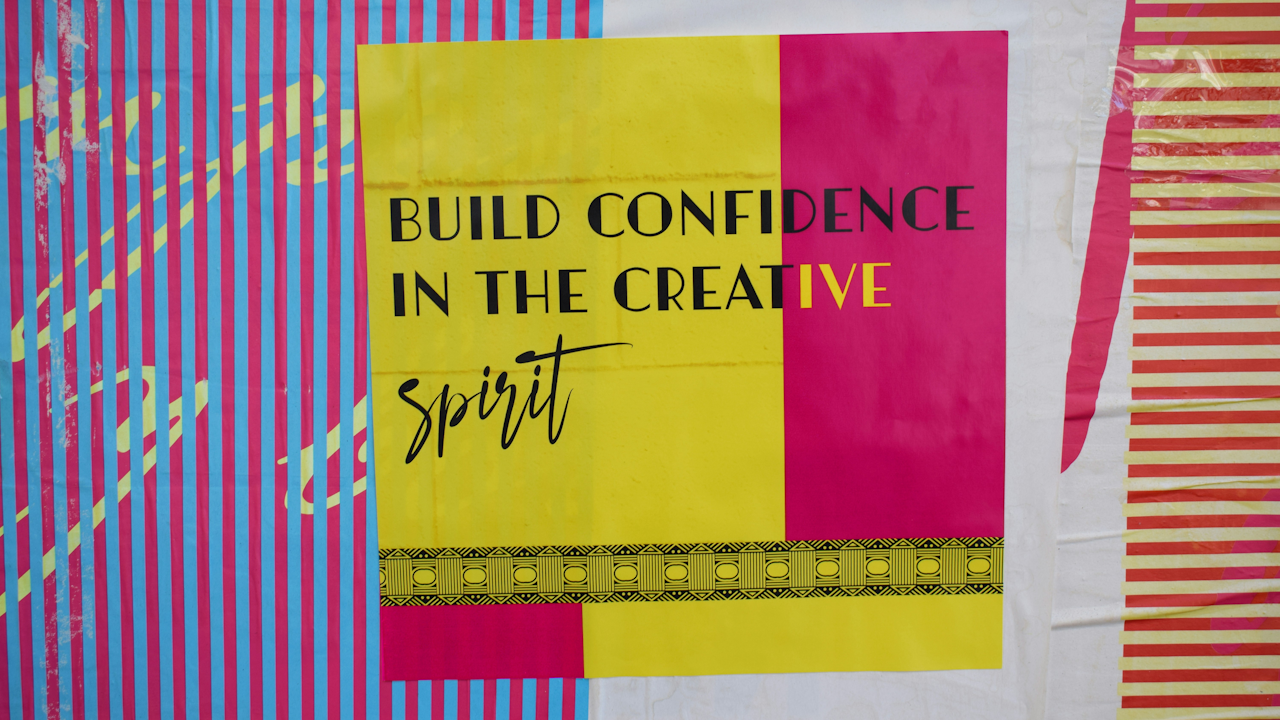
Understanding Color Psychology
Color psychology is a fascinating field that explores the impacts colors have on human emotions, behaviors, and decision-making processes. It delves into how different hues can evoke specific responses, shaping our experiences and perceptions of the world around us. This discipline encompasses various theories that explain color perception, highlighting the idea that colors can create psychological effects that influence daily life.
One of the primary theories in color psychology is the idea of color symbolism, where certain colors are intrinsically linked to specific emotions or cultural meanings. For instance, red is often associated with passion and excitement, while blue typically signifies calmness and tranquility. These associations are not arbitrary; they have developed over time through historical contexts, cultural significance, and personal experiences. Understanding these relationships is crucial for artists, designers, and marketers who seek to elicit particular responses from their audience.
Furthermore, historical studies have shown that color perception varies across different cultures. This highlights the importance of considering cultural context in color selection, especially in areas like advertising and branding, where the emotional impact of color can significantly affect consumer behavior. Color choices can enhance a message or product’s perceived value, making color psychology an essential tool in the success of marketing campaigns.
In addition, color psychology plays a crucial role in various fields, from education to health care, as different colors can influence mood and productivity. For instance, blue is often used in office spaces to promote focus and productivity, while warmer colors like yellow can inspire creativity. In conclusion, embracing the principles of color psychology enables individuals and organizations to tap into the power of color, creating environments and experiences that align with desired emotional outcomes.
The Role of Color in Creativity
Color plays an essential role in influencing human emotions, behaviors, and decision-making, which is highly relevant in the realm of creativity. Numerous studies have explored the correlation between color and creative thinking, revealing that certain hues can stimulate the mind and unlock innovative ideas. For instance, research indicates that warm colors such as red and orange can evoke feelings of excitement and energy, potentially fostering a more dynamic creative process.
In contrast, cooler colors, including blue and green, are often associated with calmness and tranquility and can enhance concentration and analytical thinking. Such colors may allow individuals to engage in more structured problem-solving, providing a balance that is crucial in the creative process. By understanding how different colors affect mood and cognitive function, artists and designers can integrate these insights into their work, effectively using color as a tool for inspiration.
Workplaces have also begun to recognize the impact of color on creativity. Companies are increasingly opting for vibrant colors in their office designs to stimulate creative thinking among employees. For example, a workspace painted in shades of yellow is believed to encourage optimism and intellectual energy, making it particularly effective in brainstorming sessions. Moreover, personalizing workspaces with colors that resonate with individual employees can personalize the environment, subsequently boosting motivation and innovative output.
Practical applications of color psychology extend beyond artistic endeavors and professional settings. Individuals can enhance their creative pursuits by incorporating stimulating colors in their home environments, using colored lighting, or engaging with artistic materials in various shades. Understanding the relationship between color and creativity is not just a theoretical endeavor; it is a strategic approach that can lead to richer, more innovative outcomes across various domains.
Color Associations and Their Impact on Different Fields
Color psychology plays a pivotal role in various industries, influencing creativity and innovation through strategic color choices. Each color is associated with specific emotions and thoughts, making it a powerful tool in shaping responses and enhancing creative output. In the realm of art, artists frequently utilize color to communicate feelings and establish mood. For instance, the use of blue can evoke tranquility, while red may incite passion, both of which are essential in engaging viewers and sparking imaginative thought.
In the fashion industry, color trends are crucial in influencing consumer desires and behaviors. Designers carefully select colors based on the psychological impact they have on their audience. Seasonal palettes often reflect not just aesthetic appeal but also psychological resonance, with warm colors suggesting comfort and cool shades aligning with sophistication. This understanding of color associations aids designers in conceptualizing collections that inspire consumers while simultaneously showcasing their creativity.
Advertising also harnesses the power of color psychology, employing hues that resonate with target demographics to enhance brand recall and emotional connection. For example, the presence of green is commonly linked with health and sustainability, making it a frequent choice among eco-conscious brands. Meanwhile, vibrant colors can stimulate urgency and excitement, often seen in marketing campaigns designed to incite immediate consumer action. Companies that strategically align their branding with effective color choices often witness improved engagement and sales.
Moreover, color perception can vary greatly across cultures, thus influencing global creativity in diverse ways. While white signifies purity in Western cultures, it may symbolize mourning in some Eastern societies. Understanding these cultural color associations is vital for businesses operating internationally. By appreciating these differences, organizations can effectively cater to various markets, ensuring their creative endeavors resonate universally. This comprehensive approach to color psychology enables industries to hone creativity while fostering meaningful connections across cultural divides.
Practical Tips for Harnessing Color in Creative Endeavors
Utilizing color effectively can significantly enhance one’s creative projects, whether in art, design, or everyday life. One of the first steps in harnessing the power of color is to select a suitable color palette. An effective color palette should align with the message or emotion you wish to convey. Start by considering the themes or concepts involved in your project. Websites like Adobe Color can assist in generating cohesive color schemes based on various color rules, such as complementary or analogous color schemes, tailoring your choices to evoke specific feelings.
Creating mood boards is another practical technique for incorporating color into creative endeavors. A mood board can serve as a visual representation of your ideas, allowing you to compile colors, images, and textures that resonate with your project’s intention. Use materials such as magazines, fabric swatches, or digital resources to curate a collection that reflects the desired aesthetic. This not only aids in making informed color choices but also serves to inspire and direct your creative process.
Additionally, consider the integration of color into your daily environments. Curating your workspace with colors that stimulate your creativity can enhance focus and inspiration. For instance, warmer colors such as reds and yellows can energize a space, while cooler colors – blues and greens – promote calmness and concentration. Experimenting with color in your surroundings can reveal how different hues affect your mood and productivity.
To further explore color in your creative practices, try engaging in exercises that promote experimentation. For instance, take time to create small sketches using a selected color palette without the worry of final outcomes. This freedom can encourage innovative thinking and help unlock new creative pathways. Overall, by embracing the myriad possibilities offered through color, individuals can tap into its emotional power to significantly enhance their creative endeavors.