

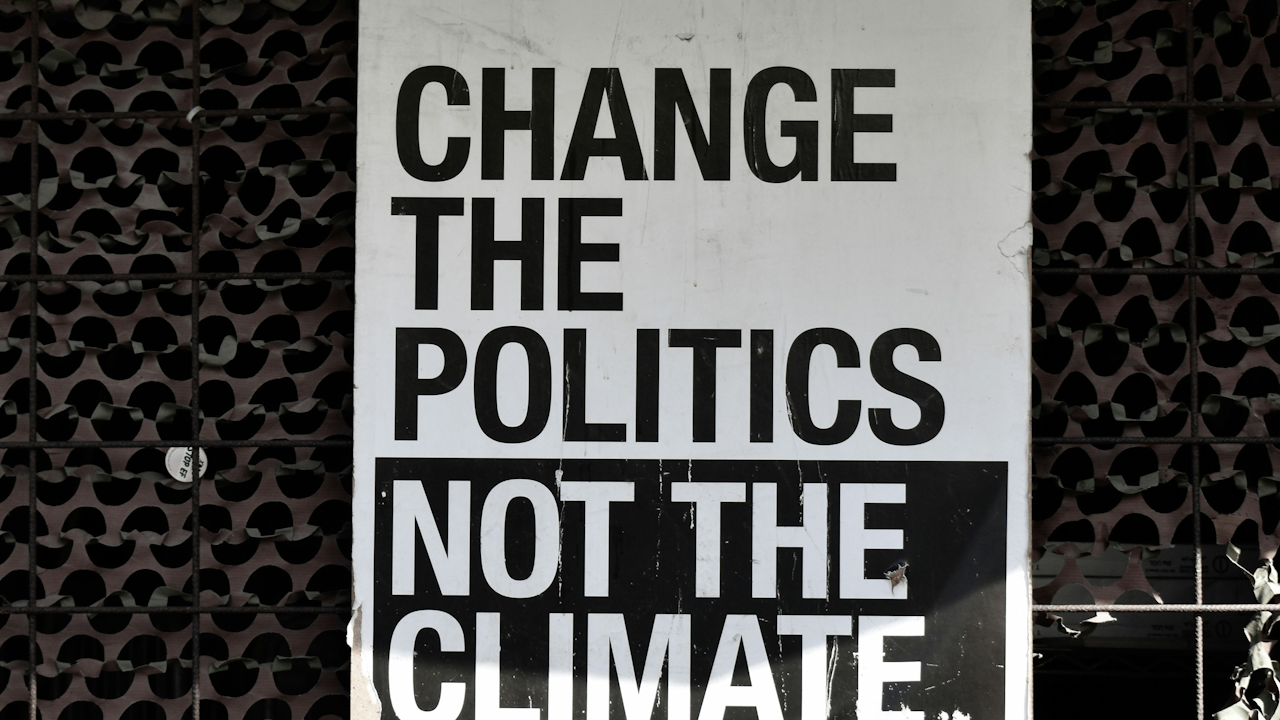
Climate politics has become one of the defining arenas of global discourse in the 21st century. Leaders, activists, and international bodies routinely declare urgent action is needed to limit warming, yet measurable outcomes often diverge sharply from announced ambitions. The question of who is actually walking the talk, meaning delivering verifiable reductions in greenhouse gas emissions while advancing practical energy transitions, requires examining data on emissions trends, policy implementation, renewable deployment, and real-world constraints rather than rhetorical commitments alone.
Global greenhouse gas emissions reached approximately 53.2 gigatons of CO2 equivalent in 2024, continuing an upward trajectory despite decades of negotiations. Energy-related CO2 emissions hit a record 37.8 gigatons in 2024, rising 0.8 percent from the prior year. China, the United States, India, the European Union, Russia, and Indonesia together accounted for over half of global emissions. China alone contributed around 29 percent of the total in recent assessments, with its emissions showing modest growth or flattening depending on the exact period and sector analyzed. The United States followed as the second-largest emitter in absolute terms, though its per capita emissions remained notably higher than China’s.
Per capita figures reveal a different picture of responsibility and capacity. In recent data, countries such as Saudi Arabia, the United Arab Emirates, Australia, the United States, Canada, and Russia topped lists with emissions ranging from about 12 to over 20 tonnes of CO2 per person annually. China stood around 8.7 to 8.9 tonnes per capita, while India remained far lower at roughly 1.9 to 2 tonnes. Smaller nations with energy-intensive industries or oil economies, including Qatar and Kuwait, recorded even higher per-person outputs exceeding 20 or even 40 tonnes in some estimates. These disparities underscore that total emissions correlate strongly with population size and economic scale, while per capita metrics highlight differences in development stage, energy mix, and lifestyle.
The Paris Agreement, adopted in 2015, established a framework of nationally determined contributions with the goal of limiting global temperature rise to well below 2 degrees Celsius, preferably 1.5 degrees. Nearly all countries have joined, yet compliance and ambition vary widely. As of early 2026, only a small fraction of parties, around 15 countries, submitted updated nationally determined contributions on time for the relevant deadline. Major emitters including India, Vietnam, Argentina, and others lagged in providing new plans. The agreement’s bottom-up structure allows flexibility based on national circumstances, but aggregated pledges have consistently fallen short of the emissions cuts science indicates are necessary to meet temperature goals. Global stocktakes have highlighted an implementation gap, with current policies projecting warming well above the targets.
Major Players: Rhetoric Versus Results
The European Union has positioned itself as a climate leader through policies such as the European Green Deal, emissions trading systems, and renewable energy directives. EU emissions declined by about 2.2 percent in 2024, driven by reductions in coal use and a power sector where renewables approached 50 percent of generation in some periods. Wind and solar reached record shares, and the bloc achieved measurable drops in coal-fired power. However, challenges persist in sectors like transport, industry, and heating, where progress has been slower. The EU has also faced criticism for policies that indirectly affect global emissions, such as carbon border adjustments, and for uneven implementation across member states. Overall, the bloc’s emissions have trended downward over decades, reflecting both policy and structural economic shifts, yet absolute contributions remain significant on a historical basis.
The United States presents a mixed record shaped by shifting administrations. Under different leadership, the country has alternated between rejoining and signaling withdrawal from the Paris framework. Emissions fell modestly in 2024 by around 0.5 percent, with coal generation at historic lows and solar plus wind surpassing coal in electricity output for the first time in some metrics. Natural gas filled much of the gap, and overall energy-related emissions reflected a balance of efficiency gains, renewable growth, and persistent fossil fuel reliance. Per capita emissions stayed among the world’s highest, around 14 tonnes. State-level actions in places like California have driven subnational progress, but federal policy volatility has limited consistent national momentum. The U.S. remains a major historical emitter, accounting for a large share of cumulative CO2 since the industrial era.
China dominates contemporary discussions as the world’s largest annual emitter. Its emissions grew modestly or stabilized in recent years, with 2024 showing slight increases tied to industrial activity and heatwaves, offset partially by record renewable additions. China installed hundreds of gigawatts of solar and wind capacity annually, accounting for over half of global solar growth in some periods. Renewables, including hydro, now form a substantial portion of its power mix, and low-carbon capacity exceeds half of total generation in combined metrics with India. Yet coal remains central to its energy system, and total emissions reflect the scale of its manufacturing, urbanization, and population. Chinese policy emphasizes “carbon peaking” before 2030 and neutrality by 2060, with strong deployment of clean technologies that have driven down global costs for solar panels and batteries. Critics note that while deployment is impressive, absolute emissions continue to exert upward pressure on the global total. China has also become a major exporter of clean energy equipment, influencing transitions elsewhere.
India, the third-largest emitter, has seen rapid emissions growth linked to economic expansion and rising energy demand. In 2024, its energy-related CO2 rose by about 5.3 percent, the fastest among major economies, fueled by heatwaves, infrastructure needs, and power consumption. Renewables, particularly solar, expanded significantly, but fossil fuels still dominated the mix as demand outpaced clean additions. India’s per capita emissions remain low, reflecting its development priorities. The country has set ambitious renewable targets and benefits from falling technology costs, yet coal and other fossils continue to underpin growth. Like China, India argues for differentiated responsibilities given its historical emissions contribution is far smaller than that of industrialized nations.
Smaller or specialized economies illustrate additional patterns. Oil-producing Gulf states maintain high per capita emissions tied to extraction and desalination. Nations like Norway or France benefit from hydro or nuclear-heavy mixes that keep carbon intensity lower despite high living standards. Australia, with significant coal and gas resources, records elevated per capita figures while pursuing renewable expansion in its electricity sector.
Renewables, Nuclear, and the Energy Transition
Renewable energy has delivered the most tangible progress in climate-related deployment. In the first half of 2025, global solar and wind generation growth outpaced overall electricity demand increases. Solar alone grew by 31 percent in that period, with China, the United States, the EU, and India leading additions. Renewables surpassed coal in global electricity generation share for the first time in some mid-year data, reaching around 34 percent combined with hydro and other sources while coal fell to 33 percent. Over 90 countries now generate more than 35 percent of their power from renewables in various metrics. Costs have plummeted, making solar and wind the default choice for new capacity in many markets.
However, electricity represents only part of the energy system. Transport, industry, heating, and agriculture account for the majority of emissions and have proven harder to decarbonize at scale. Intermittency of solar and wind requires storage, grid upgrades, and backup sources. In many regions, fossil gas or coal still bridges gaps during low renewable output or peak demand.
Nuclear energy offers a low-carbon, dispatchable alternative that has generated significant debate in climate politics. France derives a large share of its electricity from nuclear, contributing to one of Europe’s lower carbon intensities. Globally, nuclear provides around 9 percent of electricity and a substantial portion of carbon-free power in countries that maintain fleets. Recent years have seen renewed interest, including policy shifts in the United States and Europe to preserve existing plants and explore small modular reactors. Proponents highlight its reliability and high capacity factors, noting that nuclear has prevented billions of tonnes of emissions historically. Critics cite high upfront costs, long build times, waste management, and public acceptance issues. A declaration at international forums has called for tripling nuclear capacity by 2050, supported by dozens of countries, as a complement to renewables. Progress remains incremental, with new builds concentrated in specific nations like China, which also leads in nuclear construction alongside its renewable push.
The Gap Between Pledges and Implementation
International climate conferences, known as COP meetings, have become annual focal points. Hosts and attendees routinely call for faster action, fossil fuel phase-outs, and increased ambition. Yet these gatherings have drawn repeated criticism for logistical hypocrisy. Delegates often arrive via private jets, which emit far more per passenger than commercial flights, while luxury accommodations and extensive security add to the carbon footprint. Past events have seen hundreds of private aircraft, prompting accusations that symbolic gestures undermine credibility. Similar patterns appear in other high-profile forums where participants advocate restrictions on ordinary citizens’ energy use or travel while maintaining high-emission lifestyles.
Climate finance highlights another divide. Developed countries pledged to mobilize 100 billion dollars annually for developing nations, a goal reportedly met or exceeded in some later assessments after initial shortfalls. A new target aims for at least 300 billion dollars per year by 2035 in public finance, within a broader 1.3 trillion dollar annual mobilization including private flows. In practice, much of the finance takes the form of loans rather than grants, leading to concerns that repayments exceed new disbursements in net terms for some periods. Adaptation finance, critical for vulnerable nations facing extreme weather, lags significantly behind needs estimated at over 300 billion dollars annually by 2035. International public adaptation support has hovered around 26 billion dollars in recent years. Emerging markets and developing economies drive much of their own climate investment domestically, with China accounting for a large share, yet poorer countries face capital access barriers and debt pressures.
Developing nations emphasize “common but differentiated responsibilities,” arguing that historical emitters in the West bear greater obligations for finance and technology transfer. Wealthier countries point to rapid emissions growth in Asia and the need for all major economies to peak and decline. This tension has slowed consensus on ambitious global measures.
Practical Constraints and Trade-Offs
Energy policy cannot ignore affordability, reliability, and development. Rapid transitions risk blackouts or higher costs if infrastructure lags. In Europe, for instance, the push away from Russian gas after geopolitical events exposed vulnerabilities in supply and price. In developing regions, millions still lack reliable electricity, making fossil fuels a default for poverty alleviation and industrialization. Heatwaves and extreme weather increase cooling and adaptation demands, sometimes boosting short-term fossil use.
Technological realism matters. While solar and wind have scaled impressively, full decarbonization of heavy industry, aviation, shipping, and agriculture requires further breakthroughs in areas like hydrogen, carbon capture, advanced batteries, or alternative fuels. Nuclear and hydro provide baseload or flexible low-carbon power where geography and policy allow. Countries pursuing pragmatic mixes, combining renewables with firm low-carbon sources, have often achieved steadier emissions reductions than those relying solely on intermittent options.
Public and political support fluctuates with economic conditions. When energy prices spike or living costs rise, voters prioritize affordability over long-term climate targets. Subnational and private actions, including corporate net-zero pledges and city-level programs, add layers but face enforcement challenges and potential greenwashing.
Assessing Who Walks the Talk
No single country or bloc fully aligns rhetoric with comprehensive, sufficient action to meet global temperature goals on current trajectories. The European Union has demonstrated consistent policy frameworks and emissions declines in absolute and intensity terms, yet its global share is modest and implementation gaps remain. The United States shows technological leadership in renewables and gas transitions but experiences policy swings that reduce predictability. China delivers unmatched scale in clean technology manufacturing and deployment, flattening or moderating emissions growth in some analyses while its total output remains the largest. India and other emerging economies prioritize growth, achieving renewable gains but with rising absolute emissions.
Smaller nations with nuclear-heavy or hydro-dominant systems, such as France or Norway, often record stronger per capita performance. Oil-dependent states talk of diversification but maintain high emissions tied to their economic models. Across the board, private jet use and elite consumption at climate summits reveal a gap between declared urgency and personal or institutional behavior.
Ultimately, walking the talk requires measurable, sustained declines in global emissions alongside adaptation and development that do not exacerbate poverty. Progress in renewable deployment and efficiency has been real, driven largely by economics and technology rather than top-down mandates alone. Yet fossil fuels still supply the majority of primary energy, and global emissions hover near record levels. Closing the gap demands pragmatic integration of all low-carbon options, transparent accounting, and recognition that energy systems evolve over decades, not electoral cycles. Rhetoric that ignores trade-offs or historical context tends to erode trust, while data-driven policies focused on innovation, infrastructure, and inclusive growth offer the clearest path forward. The coming years will test whether nations can translate announcements into durable reductions or whether climate politics remains more performative than transformative.