

Clean beauty has become one of the fastest-growing segments in the personal care industry. Consumers increasingly seek products that align with their values of health, transparency, and environmental responsibility. Yet this surge in demand has also created fertile ground for greenwashing, where brands use marketing language to appear cleaner or greener than they actually are. Understanding the distinction is essential for making informed choices that truly support your health and the planet.
Defining Clean Beauty
Clean beauty refers to cosmetics and personal care products formulated without ingredients considered harmful to human health or the environment. The term emphasizes safety, transparency, and often sustainability. While there is no universal legal definition of “clean,” the movement generally avoids certain synthetic chemicals linked to irritation, hormone disruption, or long-term health risks.
Key principles of clean beauty include:
- Use of naturally derived or bio-identical ingredients where possible.
- Exclusion of known toxins such as parabens, phthalates, sulfates, and certain synthetic fragrances.
- Cruelty-free practices, meaning no animal testing.
- Sustainable sourcing and packaging that minimizes environmental impact.
- Full ingredient transparency, often going beyond legal minimums.
Clean beauty brands typically invest in third-party testing and openly share their formulation philosophy. Many prioritize skin-compatible ingredients that support the skin barrier rather than masking issues with heavy fragrances or fillers.
Understanding Greenwashing in Beauty
Greenwashing occurs when companies exaggerate or fabricate environmental or health claims to appeal to conscious consumers. The term originated in the environmental movement but now applies broadly to misleading “natural,” “organic,” “clean,” or “non-toxic” labeling.
Common greenwashing tactics in beauty include:
- Vague claims like “natural origin” or “plant-based” without specifying percentages or actual ingredients.
- Highlighting one natural ingredient while the rest of the formula contains concerning synthetics.
- Using green packaging colors and earthy imagery to suggest eco-friendliness without verifiable sustainable practices.
- Making “free-from” claims that distract from other problematic ingredients still present.
- Cherry-picking certifications or creating proprietary seals that lack independent verification.
Regulatory bodies like the Federal Trade Commission in the United States and the Competition and Markets Authority in the United Kingdom have increased scrutiny on these practices, but enforcement remains challenging due to the subjective nature of many claims.
The Overlap and Confusion
The line between clean beauty and greenwashing can blur because both use similar language. A product might legitimately be free of parabens yet still contain other ingredients of concern or unsustainable palm oil derivatives. Conversely, some conventional brands have introduced “clean” lines that meet basic standards but fall short of comprehensive clean beauty commitments.
This confusion benefits marketers. Research from consumer insight firms shows that shoppers often rely on front-of-pack claims rather than reading full ingredient lists. As a result, products with minimal actual changes can command premium prices.
Red Flags That Signal Potential Greenwashing
When evaluating beauty products, watch for these warning signs:
- Excessive Buzzwords Without Substance: Terms like “chemical-free,” “toxin-free,” or “pure” are scientifically inaccurate because everything is made of chemicals, including water and natural extracts. Legitimate brands avoid absolute claims and instead explain specific exclusions.
- Proprietary or Unverifiable Seals: Beware of seals that say “Clean Certified” or “Green Approved” created by the brand itself. Genuine certifications come from independent organizations.
- Hidden Fragrance: “Fragrance” or “parfum” on an ingredient list can mask hundreds of undisclosed chemicals, including potential allergens or endocrine disruptors. Clean brands often use essential oils or disclose scent components.
- Misleading “Natural” Claims: A product with 1 percent natural extract and 99 percent synthetic base may still market itself as natural. Look for clear percentage disclosures or full transparency.
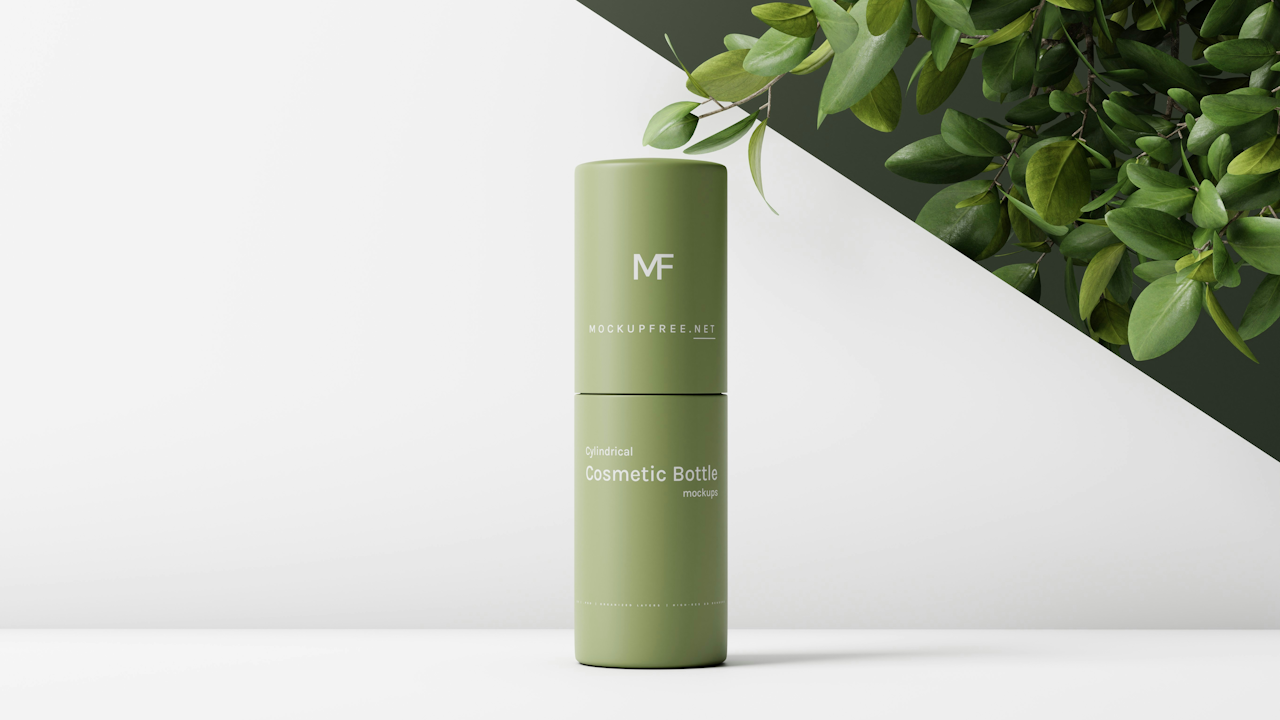
- Green Packaging, Brown Ingredients: Beautiful minimalist green boxes do not guarantee clean formulas. Always flip to the ingredient list.
- No Ingredient Sourcing Information: Reputable clean brands discuss where ingredients come from, whether they are fair trade, organically grown, or responsibly harvested.
- Avoidance of Full Disclosure: Brands that resist sharing full formulations or safety data raise concerns.
What to Look For in Genuine Clean Beauty
To identify authentic clean beauty products, focus on these positive indicators:
- Comprehensive Ingredient Lists: Brands should list all ingredients clearly, often with explanations of their function and source. Many provide links to detailed safety profiles.
- Third-Party Certifications: Reliable seals provide independent verification. Common ones include:
- EWG Verified (Environmental Working Group)
- MADE SAFE
- ECOCERT
- COSMOS Organic
- Leaping Bunny or PETA for cruelty-free status
- USDA Organic for relevant claims
- Transparent Supply Chains: Information about farms, suppliers, or manufacturing processes builds trust.
- Science-Backed Formulations: Clean beauty has evolved beyond simple “natural” to include evidence-based ingredients like niacinamide, hyaluronic acid, peptides, and plant stem cells that undergo safety testing.
- Sustainable Practices: Carbon-neutral operations, recyclable or refillable packaging, water conservation, and biodiversity support indicate deeper commitment.
- Honest Communication: Brands that acknowledge formulation challenges (such as natural preservatives being less effective) and focus on education rather than perfection tend to be more trustworthy.
Key Ingredients to Approach with Caution
Even in the clean beauty space, knowledge of certain ingredients helps consumers decide what aligns with their personal risk tolerance:
- Parabens: Preservatives linked in some studies to hormone disruption.
- Phthalates: Often hidden in fragrances, associated with reproductive concerns.
- Sulfates (SLS/SLES): Can be harsh on skin and scalp, though irritation levels vary.
- Formaldehyde Releasers: Found in some preservatives.
- Certain Essential Oils: Can cause sensitization in high concentrations or sun sensitivity.
- Microplastics and Liquid Polymers: Harmful to aquatic life even if “clean” in human use.
- Synthetic Colors: Often derived from petroleum; clean alternatives use mineral pigments or plant extracts.
Note that concentration, individual sensitivity, and overall formulation matter. An ingredient flagged in high doses may be safe at cosmetic levels.
Practical Tips for Smarter Shopping
- Read the Full Label: Ingredients are listed in descending order of concentration. If concerning items appear high on the list, reconsider.
- Use Verification Apps and Databases: Tools from EWG, Think Dirty, or Yuka help scan products quickly.
- Research Brand Values: Visit company websites for sustainability reports, ingredient glossaries, and founder stories. Genuine brands provide depth.
- Start with Staples: Focus on products with simpler formulas like moisturizers, cleansers, and lip balms before venturing into complex color cosmetics.
- Consider Your Priorities: Define whether health, environment, ethics, or performance matters most to you. This guides trade-off decisions.
- Support Smaller Brands: Many independent clean beauty companies offer greater transparency due to shorter supply chains.
- Be Wary of Trend Cycles: Ingredients like charcoal, matcha, or collagen become marketing fads. Evaluate the science, not the hype.
- Check Country of Origin and Regulations: European Union standards generally ban more concerning ingredients than those in the United States.
The Role of Regulation and Industry Evolution
The beauty industry is gradually facing more oversight. The European Union has strict cosmetic regulations and has banned thousands of ingredients. California and other US states are introducing stricter clean beauty laws. These changes pressure brands to improve or risk penalties.
Meanwhile, the clean beauty sector itself faces criticism for elitism, high prices, and sometimes pseudoscience. The most credible voices balance natural preferences with rigorous safety data and acknowledge that “clean” exists on a spectrum rather than as a binary.
Moving Forward as a Conscious Consumer
Distinguishing clean beauty from greenwashing requires skepticism, education, and time. No product is perfect, and individual needs vary based on skin type, health conditions, and values. The goal is progress toward greater safety and sustainability rather than unattainable purity.
By asking questions, demanding transparency, and supporting brands that deliver on their promises, consumers can drive the industry toward genuine accountability. Clean beauty at its best represents not just safer products but a more thoughtful relationship with what we put on our bodies and release into the environment.
The next time you shop, slow down. Look past the marketing and examine the evidence. Your skin, health, and the planet will benefit from the effort.