

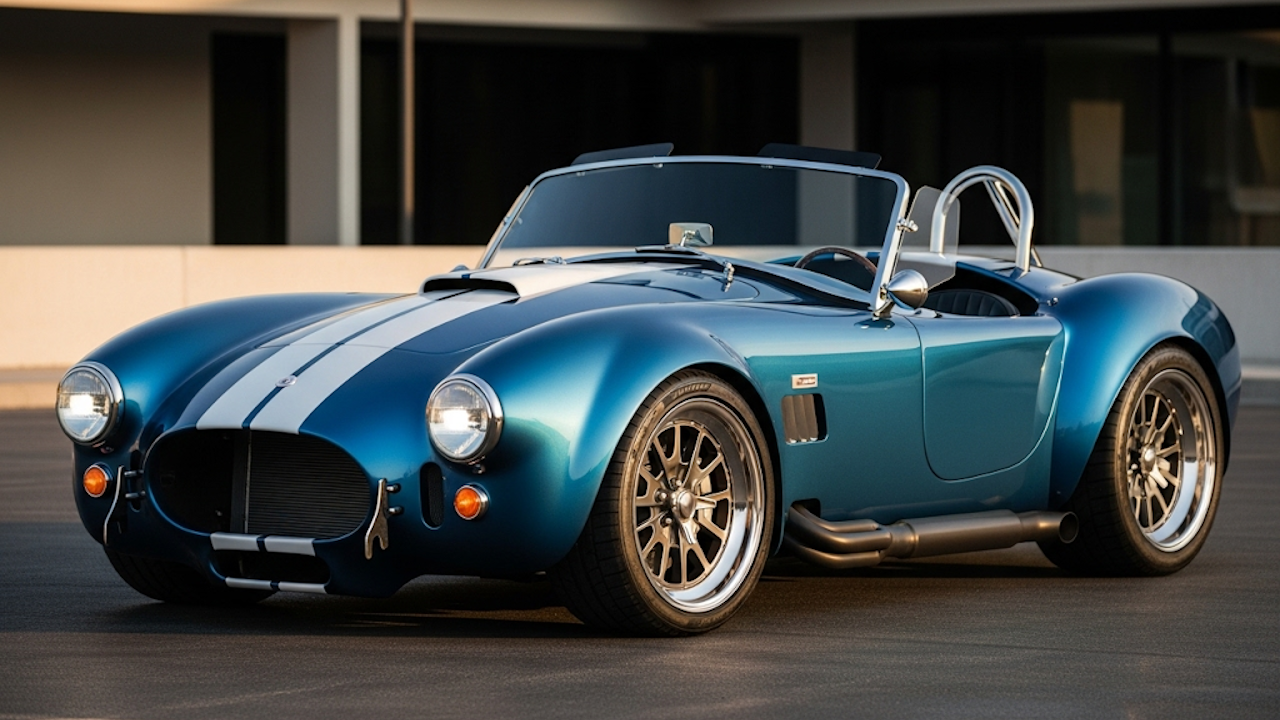
Classic car replicas represent a unique intersection of automotive heritage, engineering innovation, and personal passion. These vehicles faithfully recreate the appearance and character of legendary automobiles from the mid-20th century while incorporating contemporary components for reliability, safety, and performance. Unlike original classics that often command astronomical prices and require extensive maintenance, replicas offer enthusiasts the opportunity to experience driving icons without the prohibitive costs or scarcity issues associated with genuine historical vehicles.
The appeal lies in their ability to capture the soul of automotive legends. A well-built replica can deliver the same visual drama and driving thrill as its predecessor, yet it remains practical for regular use. Owners report that these cars evoke nostalgia while providing modern dependability, making them suitable for weekend drives, car shows, or even daily commuting in some cases.
The Evolution of Replica Cars
The concept of replica cars gained momentum in the 1970s and 1980s as original classic vehicles became rarer and more expensive. Early efforts often involved basic fiberglass bodies mounted on existing chassis, but the industry has matured significantly since then. What began as small-scale kit car manufacturers has evolved into sophisticated operations producing high-quality turnkey vehicles that rival factory originals in fit and finish.
Several factors drove this growth. Rising values of authentic classics made them unattainable for many collectors. Simultaneously, advancements in manufacturing techniques allowed builders to achieve greater accuracy in body contours, panel gaps, and detailing. Regulatory changes in various countries also played a role, as enthusiasts sought alternatives to heavily restricted classic car imports or modifications.
Today, the replica market spans from budget-friendly kits that owners assemble themselves to fully completed, professionally built examples ready for immediate enjoyment. This spectrum accommodates different levels of mechanical skill and financial investment.
Iconic Designs That Inspire Replicas
Certain models from automotive history have inspired more replicas than others due to their cultural significance, racing pedigree, and distinctive styling.
The AC Cobra stands as one of the most replicated designs. The original 1960s collaboration between Carroll Shelby and AC Cars created a lightweight British roadster powered by massive American V8 engines. Replicas capture the long hood, aggressive stance, and muscular proportions that made the Cobra a legend on both road and track. Modern versions often use Ford or Chevrolet small-block or big-block engines, delivering comparable or superior performance to the originals.
Ferrari replicas, particularly those modeled after the 250 GTO or Daytona, attract enthusiasts drawn to Italian elegance combined with high performance. These builds require meticulous attention to curves and proportions that define Ferrari’s timeless aesthetics. Builders frequently employ modern chassis with improved rigidity while maintaining the visual signature of the classics.
Porsche 911 replicas, including early 1960s and 1970s variants, remain popular. The rear-engined layout and iconic silhouette continue to captivate drivers. Replica 911s often incorporate air-cooled or water-cooled flat-six engines with updated fuel injection and suspension systems that enhance handling without altering the fundamental driving experience.
Other frequently replicated designs include the Jaguar E-Type with its flowing lines and graceful proportions, the Chevrolet Corvette from the C1 and C2 eras featuring dramatic styling cues, and various British sports cars like the MG TD or Austin-Healey 3000. Each replica pays homage to the original while addressing common shortcomings such as rust-prone bodywork or inadequate braking systems.
Modern Engineering in Classic Packages
Contemporary replica builders integrate substantial technological improvements that distinguish these vehicles from their historical counterparts. Safety represents a primary focus. Modern replicas typically incorporate reinforced chassis structures, crumple zones, and three-point seatbelts that exceed original standards. Many feature disc brakes all around, rack-and-pinion steering, and independent suspension setups that dramatically improve handling and stopping power.
Powertrain options reflect current engineering priorities. While some builders remain faithful to period-correct engines, others install fuel-injected V8s, turbocharged four-cylinders, or even electric motors. These choices provide better fuel efficiency, reduced emissions, and easier maintenance. A replica Cobra with a modern LS-series Chevrolet engine, for instance, can achieve reliable horsepower figures while running on contemporary fuels without the vapor lock or carburetor issues common in originals.
Interior appointments have also advanced. Leather upholstery, modern sound systems, air conditioning, and power accessories create comfortable environments that respect classic aesthetics while adding convenience. Digital instrument clusters disguised within traditional bezels or GPS integration represent further enhancements that many owners appreciate for long-distance touring.
Materials science contributes significantly to durability. Composite body panels resist corrosion better than original steel or aluminum, and powder-coated frames provide superior protection against environmental elements. These improvements extend the service life of replicas far beyond what many genuine classics can achieve without extensive restoration work.
The Replica Building Process
Creating a classic car replica involves several distinct approaches. Kit cars represent the most accessible entry point. Manufacturers supply pre-molded body shells, chassis components, and detailed assembly instructions. Enthusiasts with mechanical aptitude can complete these projects over months or years, often in home garages. Popular kit manufacturers include companies specializing in Cobra replicas or Porsche-inspired designs.
Turnkey replicas offer a different path. Professional shops handle the complete construction process, delivering finished vehicles that comply with local registration requirements. These builds typically involve custom chassis fabrication, engine installation, wiring harnesses, and extensive testing before handover to the customer.
Continuation cars occupy another category. Some manufacturers produce officially licensed recreations using original tooling or updated specifications. These vehicles often command premium prices due to their authenticity and factory backing.
Regardless of the approach, attention to detail defines quality replicas. Panel alignment, paint finishes, interior stitching, and mechanical integration separate exceptional builds from lesser efforts. Top-tier replicas can cost as much as genuine restored classics, yet they avoid many authenticity-related complications.
Legal Considerations and Regulations
Navigating the legal landscape surrounding replicas requires careful attention. In the United States, many states classify replicas as specially constructed vehicles, requiring specific titling procedures. Manufacturers often provide Manufacturer’s Certificates of Origin that facilitate registration. Some jurisdictions apply classic car exemptions for emissions and safety inspections, though rules vary significantly by location.
European regulations present different challenges. Strict type-approval requirements can complicate registration of non-original vehicles. Many replica owners register their cars as kit conversions or modified vehicles to meet local standards. Insurance companies generally treat well-documented replicas favorably, though premiums may reflect the performance capabilities rather than the classic appearance.
Intellectual property concerns occasionally arise when replicas closely mimic protected designs. Most builders avoid direct trademark infringement by using generic badging or period-appropriate details without claiming official manufacturer connections.
Benefits and Challenges
Replica ownership offers numerous advantages. Affordability stands as the most obvious benefit. A high-quality Cobra replica might cost a fraction of an original while delivering similar performance. Availability represents another strength, as builders can produce vehicles on demand rather than waiting for rare originals to appear on the market.
Maintenance accessibility improves dramatically with modern components. Replacement parts for contemporary engines and systems remain readily available and affordable compared to scarce vintage items. This practicality encourages more frequent use and enjoyment.
Challenges exist as well. Some purists criticize replicas for lacking historical authenticity. The market also contains varying quality levels, requiring buyers to research builders carefully. Assembly projects demand substantial time and skill, and even turnkey vehicles require proper maintenance to preserve their condition.
Notable Examples and Builders
Several companies have established strong reputations in the replica sector. Superformance produces exceptional Cobra replicas with attention to historical accuracy and modern engineering. Factory Five offers popular kit options for Cobra, 1965 Mustang, and hot rod designs that appeal to hands-on builders.
For Porsche enthusiasts, companies like Gunther Werks or Singer Vehicle Design create highly customized interpretations that blend classic styling with extreme performance upgrades. These builds often incorporate significant modifications while maintaining recognizable 911 silhouettes.
Specialist shops across the United States, United Kingdom, and other countries continue to expand the possibilities. Some focus exclusively on electric conversions, creating zero-emission versions of classic designs that appeal to environmentally conscious collectors.
The Future of Classic Replicas
The replica industry shows signs of continued evolution. Electric powertrains may become more prevalent as technology improves and original combustion engines face increasing regulatory scrutiny. Advanced manufacturing techniques, including 3D printing for certain components, could further enhance accuracy and reduce costs.
As original classics become even rarer and more valuable, replicas will likely serve as accessible gateways to automotive history for new generations of enthusiasts. These vehicles preserve design legacies while adapting to modern expectations for safety, efficiency, and usability.
Classic car replicas bridge past and present in compelling ways. They honor iconic designs through careful recreation while embracing contemporary engineering solutions. For many owners, these vehicles deliver the emotional connection to automotive heritage alongside the confidence that comes from reliable, thoroughly modern construction. Whether assembled from a kit or purchased complete, a well-executed replica offers a distinctive way to experience some of the most celebrated automobiles ever created.