

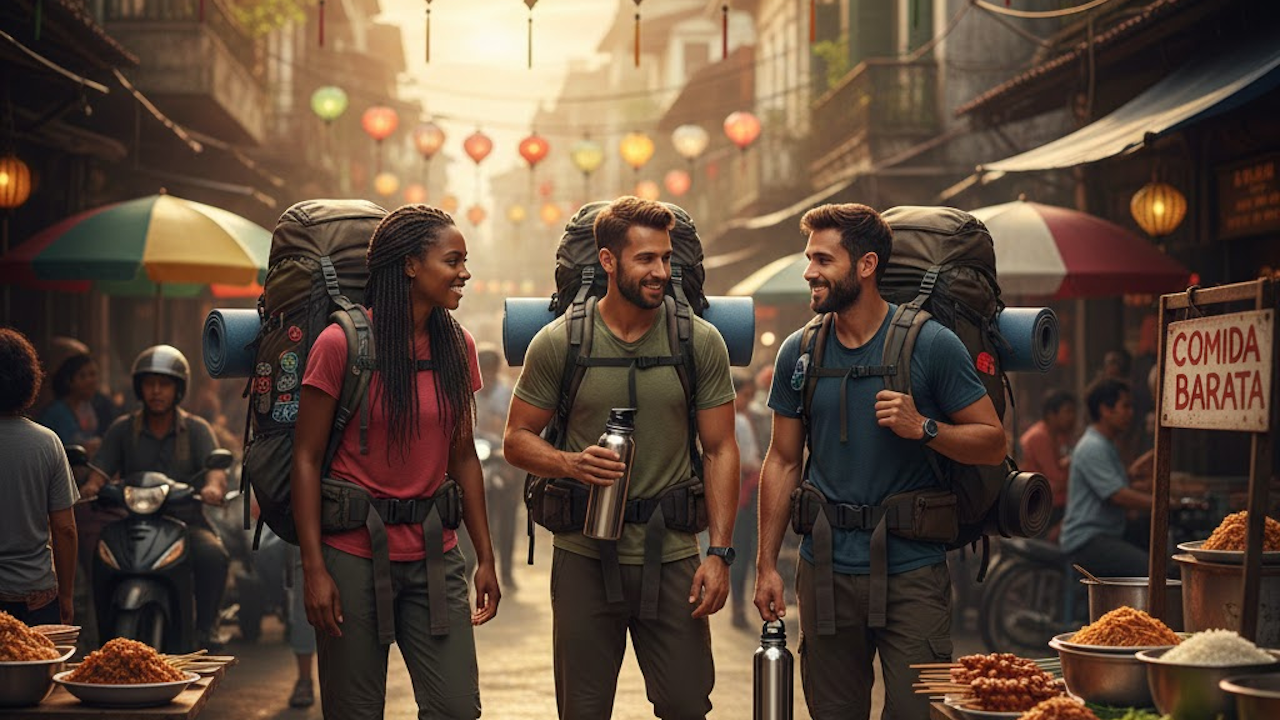
Traveling the world is often viewed as a luxury reserved for the wealthy or those with years of savings. However, the rise of the global backpacking culture has proven that adventure is accessible to anyone with a pack and a plan. Budget backpacking is not about deprivation. It is a strategic approach to travel that prioritizes experiences over high end amenities. By mastering a few key habits and choosing the right locations, you can turn a two week vacation into a six month journey across continents.
1. Choosing the Right Destination
The most effective way to save money is to travel where your currency has the most purchasing power. While London and Paris are iconic, they can deplete a budget in days. Smart backpackers look toward regions where $30 to $50 can cover an entire day of food, lodging, and transport.
- Southeast Asia: Still the undisputed king of budget travel. Countries like Vietnam, Laos, and northern Thailand offer delicious street food for $2 and hostel beds for under $10.
- Eastern Europe: Skip the expensive west and head to Albania, Bulgaria, or Poland. These nations provide stunning architecture and rich history at a fraction of the cost found in Italy or France.
- Central and South America: Guatemala and Bolivia are fantastic for those seeking volcanic landscapes and indigenous culture without the price tag of Costa Rica or Chile.
- The Caucasus: Georgia is a rising star in the backpacking world. It offers incredible mountain scenery, famous hospitality, and very low costs for daily living.
2. Strategic Transportation Hacks
Transport is often a backpacker’s largest expense after flights. Reducing this cost requires a mix of patience and flexibility.
Fly Smart
Use tools like Google Flights or Skyscanner and select the Everywhere search feature to find the cheapest flights from your home city. Traveling on Tuesdays or during shoulder seasons can save hundreds of dollars. Additionally, flying into a secondary hub and taking a bus to your final destination is often cheaper than flying direct.
Embrace Slow Travel
The faster you move, the more you spend. Each bus, train, or flight adds up. By spending a week in one city instead of two days, you reduce transit costs and often unlock weekly discounts on accommodation.
Use Local Transit
Taxis and ride-sharing apps are budget killers. Learn the local bus routes, use the metro, or even try shared options like tuk-tuks. For long distances, night buses and sleeper trains are a classic backpacker hack because they combine the cost of transport and a night of accommodation into one ticket.+1
3. Mastering Low Cost Accommodation
Where you sleep will define your budget. While hostels are the standard, there are several ways to lower this cost even further.
- Hostel Dorms: Opt for larger dorm rooms to get the lowest rate. Many hostels also offer free breakfast or communal kitchens where you can cook your own meals.
- Work Exchanges: Platforms like Workaway or Worldpackers allow you to trade a few hours of work per day for free room and board. This is an excellent way to extend a trip indefinitely.
- Couchsurfing: This remains a viable option for meeting locals and staying for free. It requires a focus on cultural exchange rather than just a free bed.
- House Sitting: Sites like TrustedHousesitters connect travelers with homeowners who need someone to watch their pets. This often results in staying in beautiful homes for no cost at all.
4. Eating and Drinking on a Shoestring
Food is one of the greatest joys of travel, but eating at tourist restaurants will drain your funds.
Pro Tip: Follow the locals. If a stall is crowded with residents at lunchtime, the food is likely safe, delicious, and priced fairly.
Street food is your best friend in places like Mexico or Taiwan. In more expensive regions like Western Europe, visiting local supermarkets and preparing a picnic of fresh bread, cheese, and fruit is a great way to eat well for under $10. Also, carrying a reusable water bottle with a built-in filter can save you $3 to $5 every day and reduces plastic waste.
5. Gear: Invest Once, Save Often
You do not need the most expensive technical gear to see the world. However, a few quality items will save you money in the long run.
- A Solid Backpack: Buy a durable 40 to 50 liter pack. This size is usually small enough to be a carry-on for many airlines, saving you $30 to $50 in checked bag fees per flight.
- Thrifted Clothing: You do not need specialized travel shirts. Standard athletic wear from a thrift store works perfectly for hiking and city walking.
- Universal Adapters: Buying these at an airport is a ripoff. Purchase a high quality universal adapter before you leave home.
Summary of Average Daily Budgets (2026 Estimates)
| Region | Daily Budget (USD) | Primary Cost Saver |
| Southeast Asia | $25 – $35 | Street food & cheap hostels |
| Eastern Europe | $35 – $50 | Low cost public transport |
| Central America | $30 – $45 | Local markets & chicken buses |
| Western Europe | $70 – $100 | Grocery shopping & free walking tours |
Traveling the world is less about how much money you have and more about how you choose to spend it. By prioritizing local experiences over tourist traps, you can see the world’s most incredible sights without ever breaking the bank.