

In a grocery store aisle lined with thousands of packaged products, the small printed panel on the back of a box or can can feel like a secret code. Food labels promise information about nutrition, ingredients, safety, and quality, yet many shoppers glance at them only briefly or skip them entirely. Misunderstandings about what those numbers, lists, and claims actually signify lead to choices that may not align with health goals, dietary needs, or budget priorities. This article takes a thorough look at every major element of a typical food label, explains the regulatory rules behind it, and reveals what the details really indicate about the product inside. By the end, readers will have a clear framework for decoding labels and making more informed decisions at the store.
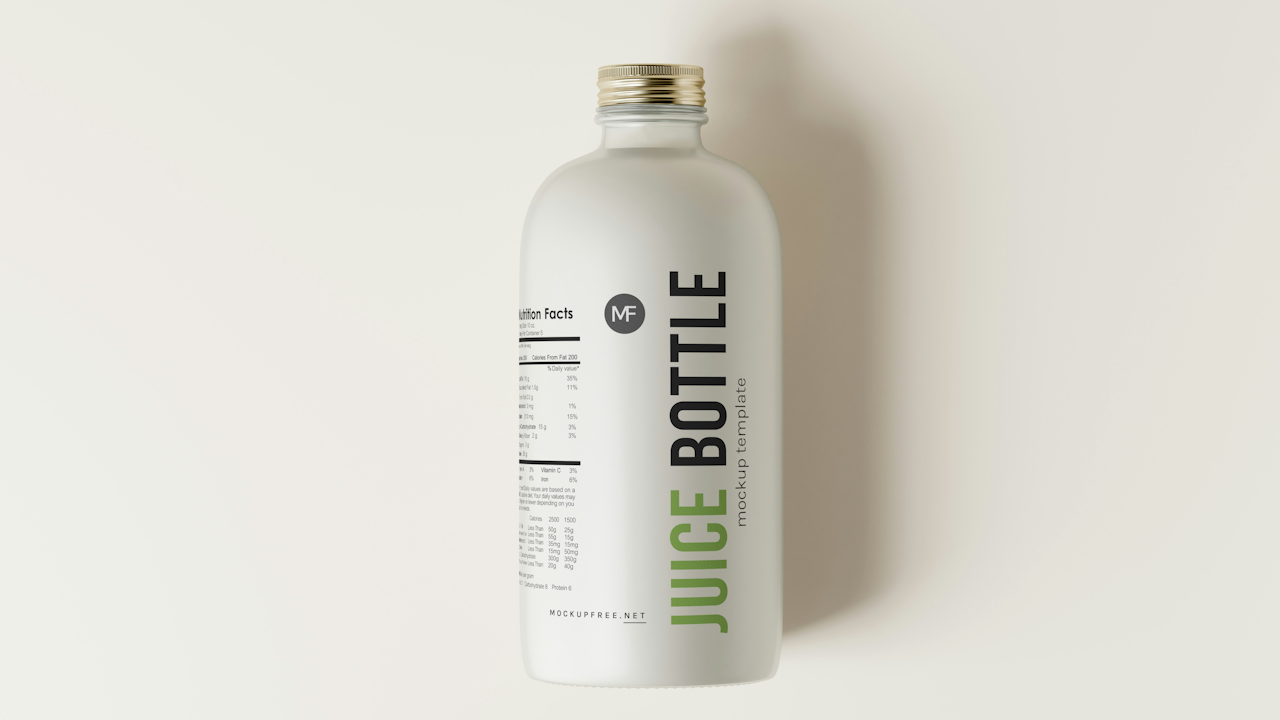
The foundation of nearly every packaged food label in the United States is the Nutrition Facts panel. Required by the Food and Drug Administration since 1990 and updated in 2020 to reflect current science and portion sizes, this standardized box appears on almost all foods and beverages. It begins with serving size, listed in both household measures (such as one cup or two cookies) and metric equivalents (such as 240 grams). Serving size is not a recommendation for how much to eat; it is simply the amount manufacturers use to calculate all the other numbers on the panel. Many people overlook this detail and assume the entire container equals one serving. For example, a bag of chips might list a serving as 15 chips with 150 calories, yet the whole bag contains three servings. Eating the entire package multiplies the calories, fat, and sodium by three without any visual cue on the front of the package.
Right below serving size comes the calorie count per serving. Calories measure energy from fat, protein, and carbohydrates. The label also shows calories from fat, though this line was made optional in the 2020 update because research showed total calories matter more than the source alone. The % Daily Value column that follows each nutrient tells how much a serving contributes toward the daily intake recommended for a 2,000-calorie diet. The FDA sets these reference values based on general population needs, and they help consumers quickly see if a food is high or low in a particular nutrient. A % Daily Value of 5 percent or less is considered low; 20 percent or more is high. These percentages are not personalized. Someone who needs 2,500 calories daily will require higher absolute amounts than the reference, while a person aiming for 1,500 calories will need to stay well below the listed values.
Total fat appears next, measured in grams. The label breaks it down into saturated fat and trans fat because these two types have the clearest links to heart disease risk. Saturated fat, found mainly in animal products and some tropical oils, should be limited to less than 10 percent of daily calories according to dietary guidelines. Trans fat, once common in partially hydrogenated oils, now appears at very low levels thanks to a 2018 FDA ban on artificial sources. Any trans fat listed is usually naturally occurring in small amounts from meat or dairy. Cholesterol follows, though its importance has been downgraded in recent guidelines because the body makes most of its own cholesterol and dietary sources affect blood levels less than previously thought for most people. Sodium is listed in milligrams, and the % Daily Value is set at 2,300 milligrams per day, the upper limit experts recommend to help control blood pressure. Many processed foods deliver more than half that amount in a single serving, making sodium one of the easiest nutrients to overconsume without realizing it.
The carbohydrate section includes total carbohydrates, dietary fiber, total sugars, and added sugars. Total carbohydrates encompass everything from naturally occurring starches to sugars and fiber. Dietary fiber is highlighted separately because it supports digestion and heart health; the % Daily Value target is 28 grams per day. Total sugars include both natural sugars from fruit or milk and added sugars from manufacturing. Since 2020, labels must separately declare added sugars in grams and as a % Daily Value, with the recommended limit set at less than 50 grams per day (about 10 percent of calories on a 2,000-calorie diet). This distinction matters because the body processes added sugars differently from those packaged with fiber, vitamins, and minerals in whole foods. Protein is listed in grams without a % Daily Value because most Americans already meet or exceed needs, but the number helps athletes, older adults, or those following plant-based diets track intake.
Vitamins and minerals round out the panel. The 2020 update requires declaration of vitamin D and potassium because many people fall short on these nutrients. Calcium and iron remain mandatory, while others such as vitamin A and vitamin C are now voluntary unless manufacturers add them or make a claim. The panel ends with a footnote explaining that % Daily Values are based on a 2,000-calorie diet and that individual needs may vary. Some smaller packages use a simplified label or a linear format when space is tight, but the core information remains the same.
Turning the package over reveals the ingredients list, required for almost every food with more than one ingredient. Federal rules dictate that ingredients appear in descending order by weight, so the first few items dominate the product. A breakfast cereal that lists whole grain oats first followed by sugar and then refined flour is mostly oats, whereas one that begins with sugar is primarily sweetened. This ordering helps shoppers quickly gauge whether a food is made mostly from whole foods or heavily processed components.
Reading the ingredients list also uncovers hidden sources of common concerns. Added sugars hide behind dozens of names including high-fructose corn syrup, cane juice, maltose, dextrose, barley malt, and fruit juice concentrate. Manufacturers use multiple sugar sources so none appears high on the list, yet the total added sugar can still be substantial. The same tactic applies to salt, listed as sodium chloride, sea salt, or monosodium glutamate. Artificial colors, preservatives such as sodium benzoate or BHT, and emulsifiers such as lecithin or mono- and diglycerides appear further down but can matter to people with sensitivities. The list must declare any major food allergens in plain language either within the ingredients or immediately after in a separate “Contains” statement. The eight major allergens are milk, eggs, fish, crustacean shellfish, tree nuts, peanuts, wheat, and soybeans. Sesame was added as a ninth major allergen in 2023, so newer labels reflect that change.
Beyond the Nutrition Facts and ingredients, food labels carry a variety of claims and certifications that can either clarify or confuse. Nutrient-content claims follow strict FDA definitions. “Low fat” means 3 grams or less per serving. “Fat free” allows up to 0.5 gram. “Reduced sodium” indicates at least 25 percent less sodium than the regular version. “High in fiber” requires 20 percent or more of the Daily Value per serving. These terms are standardized so shoppers can trust the comparison, but they do not automatically make the food healthy. A “low-fat” cookie might still be high in added sugar and refined flour.
Health claims are more tightly regulated and must be supported by significant scientific agreement. An example is the claim that “adequate calcium and vitamin D throughout life may reduce the risk of osteoporosis.” Only a handful of such claims are fully approved. Qualified health claims, backed by emerging but not conclusive evidence, carry disclaimers such as “some scientific evidence suggests but does not prove that” a food component reduces disease risk. Structure-function claims describe how a nutrient affects the body without mentioning disease, for instance “calcium builds strong bones.” These require less evidence and no pre-approval, which is why supplement-like phrases appear on ordinary foods.
Certifications add another layer. The word “organic” is governed by the United States Department of Agriculture. Foods labeled “100% organic” must contain only organic ingredients and be produced without synthetic pesticides, fertilizers, or genetically engineered material. “Organic” allows up to 5 percent non-organic ingredients from an approved list. “Made with organic ingredients” requires at least 70 percent organic content. The USDA Organic seal appears only on products meeting the higher standards. In contrast, the term “natural” has no formal definition for most foods. It generally means nothing artificial or synthetic was added, yet it allows for highly processed items as long as the processing itself is considered natural. “Non-GMO” or “bioengineered food” disclosures are required when detectable levels of genetic engineering are present. The “GMO-free” claim is not strictly regulated but usually means the product and its ingredients were not produced with bioengineering.
Allergen warnings extend beyond the major eight. Manufacturers may voluntarily add “may contain” or “produced in a facility that also processes” statements to alert consumers about possible cross-contact. These are not required, so absence of such language does not guarantee safety for highly sensitive individuals. People managing allergies must contact manufacturers directly when in doubt.
Dates printed on packages also carry specific meanings that vary by product type. “Sell by” tells retailers when to remove the item from shelves; it is not a safety date. “Best if used by” or “best before” indicates peak quality, after which flavor or texture may decline but the food remains safe if stored properly. “Use by” is the manufacturer’s recommendation for best quality and, for perishable items such as deli meats or ready-to-eat salads, may relate more closely to safety. “Expires on” or “expiration date” is used on products where safety could be compromised after that point. Frozen foods often carry no date because freezing halts bacterial growth, but quality can still degrade over time.
Net weight or volume must appear in both U.S. customary and metric units, allowing consumers to compare package sizes accurately. The manufacturer’s name, address, and phone number or website provide a contact point for questions or complaints. Some packages include barcodes or QR codes that link to additional details such as full ingredient sourcing or recycling instructions.
Front-of-package labeling has grown more prominent, though it remains voluntary in most cases except for specific claims. Some manufacturers use icons for calories, saturated fat, sodium, and added sugars to give a quick snapshot. Other countries mandate color-coded systems such as traffic lights (green for low, amber for moderate, red for high), but the United States has not adopted a uniform front-of-package scheme as of 2026. Shoppers therefore still need to flip the package for complete information.
Common misconceptions persist despite the detailed rules. Many assume that “sugar-free” means zero carbohydrates or that “gluten-free” automatically equals healthier. Sugar-free products often replace sugar with sugar alcohols that still provide calories and can cause digestive upset. Gluten-free labeling requires less than 20 parts per million of gluten, which is safe for most people with celiac disease, yet the replacement grains may be lower in fiber and nutrients unless the manufacturer fortifies them. “Zero trans fat” can still contain up to 0.5 gram per serving, and repeated servings add up. “Light” or “lite” can refer to calories, fat, sodium, or even color and texture depending on the product, so the specific meaning appears in fine print.
Effective label reading requires a system. First, ignore the front-of-package marketing and go straight to the Nutrition Facts and ingredients. Check the serving size against how much is actually eaten. Compare % Daily Values across similar products to choose the lower-sodium, higher-fiber option. Scan the ingredients for recognizable whole foods near the top and watch for long lists of unfamiliar chemical names. For packaged snacks, note the added-sugar line; many seemingly healthy granola bars contain more added sugar than a candy bar. When shopping for a family, consider whether the food provides nutrients that might otherwise be missing, such as potassium from beans or fiber from whole grains. Budget-conscious shoppers can use unit pricing (price per ounce) together with the nutrition data to determine which brand truly offers better value.
Special diets add extra considerations. People tracking carbohydrates for diabetes management focus on total carbohydrates minus fiber to estimate net carbs, though the label does not calculate this automatically. Those limiting sodium look for the lowest % Daily Value and avoid products where sodium appears early in the ingredients. Plant-based eaters check for hidden animal-derived additives such as whey, casein, or gelatin. Athletes may seek higher protein per serving. In every case, the label supplies raw data, but personal needs dictate how to interpret it.
Labels evolve with science and consumer demand. The 2020 redesign made type larger, added added-sugars information, and updated Daily Values to match current guidelines. Future changes may include more emphasis on whole-food patterns rather than single nutrients. Until then, the tools already printed on packages remain the most reliable source of facts amid marketing claims.
Mastering food labels does not require a nutrition degree. It requires curiosity, a few minutes per shopping trip, and the habit of flipping the package. Over time, these habits compound into better daily choices, fewer surprises on the scale or at the doctor’s office, and greater confidence that the money spent on groceries is buying genuine quality rather than empty promises. The next time a brightly colored box catches the eye, remember that the real story is printed in small black type on the back. Reading it carefully turns passive shopping into an active, informed decision that benefits long-term health.