

Solo female travel offers a unique path to self-discovery, independence, and adventure that few other experiences can match. As more women venture out alone in 2026, the rewards remain immense: forging deeper connections with new cultures, gaining confidence through problem-solving on the fly, and creating stories that belong entirely to you. Yet preparation stands as the foundation for turning potential challenges into triumphs. This detailed guide compiles proven strategies from experienced travelers to help you plan effectively, stay safe, enjoy every moment, and return home enriched. Whether heading out for a weekend getaway or a months-long journey, these tips equip you with practical knowledge for confident exploration.
Start with solid pre-trip planning to set a strong foundation. Dedicate weeks or even months to researching your chosen destination. Review official government travel advisories for up-to-date safety information tailored to women, and cross-reference them with recent accounts from female travelers on reputable blogs and forums. Focus on factors such as local attitudes toward women, common scams, transportation reliability, and areas best avoided after dark. For beginners, select places with strong tourism infrastructure and high safety perceptions. Countries like Iceland stand out for their extremely low crime rates, excellent public services, and welcoming vibe toward independent women. Japan impresses with efficient trains, polite locals, and a general sense of order that makes navigation straightforward even without fluent language skills. Portugal combines affordability, stunning coastlines, and vibrant cities where solo women report feeling at ease in most neighborhoods.
Secure comprehensive travel insurance early in the process. Choose a policy that covers medical emergencies, trip cancellations, lost luggage, and adventure activities if you plan hikes or water sports. Read the fine print to confirm it includes provisions for solo travelers and evacuation if needed. Apply for any required visas well in advance, and make digital and physical copies of your passport, visa pages, and insurance documents. Store the digital versions in a secure cloud service and email them to yourself and a trusted contact back home. Create a detailed itinerary that includes flight details, accommodation addresses, and daily plans, then share it with family or close friends. Update them regularly via messaging apps so someone always knows your approximate location.
Budget thoughtfully to avoid stress mid-trip. Calculate daily costs for food, lodging, transport, and activities, then add a 20 percent buffer for unexpected expenses. Use budgeting apps to track spending in real time. Consider opening a bank account with no foreign transaction fees or using multi-currency cards that offer favorable exchange rates. Withdraw cash in small amounts from reputable ATMs located inside banks or major hotels rather than on the street. Carry a mix of cash, cards, and perhaps a prepaid travel card as backups. Research average prices for meals and taxis in your destination to prevent overpaying.
Packing smartly makes a world of difference for solo travelers who must manage everything alone. Aim for carry-on only to maintain mobility and avoid lost luggage hassles. Choose a lightweight backpack or roller bag with sturdy wheels and comfortable straps. Select versatile, quick-drying clothing in neutral colors that mix and match easily. Include three to four tops, two pairs of pants or skirts, one dress suitable for both casual days and evenings out, a lightweight jacket or fleece for variable weather, and a scarf that doubles as a modesty cover, blanket, or pillow. Opt for comfortable walking shoes or sneakers that break in before departure, plus a pair of sandals or flip-flops for showers and beaches. Pack underwear and socks in quantities that allow for laundry every few days rather than overloading your bag.
For toiletries, stick to solids or small containers to comply with liquid restrictions: toothpaste tablets, solid shampoo bars, and refillable mini bottles. Bring a reusable water bottle with a built-in filter if visiting areas where tap water quality varies. Include essential medications with prescriptions, plus extras for common ailments such as pain relievers, motion sickness remedies, and any personal prescriptions in carry-on. A small first-aid kit with bandages, antiseptic wipes, and blister plasters proves invaluable after long walking days. Electronics deserve careful selection: a portable power bank capable of multiple charges, a universal adapter, noise-canceling headphones for flights and noisy hostels, and a phone with plenty of storage for maps and photos. Do not forget a door wedge or portable lock for added security in shared accommodations, along with a lightweight microfiber towel and a sleep mask with earplugs for restful nights.
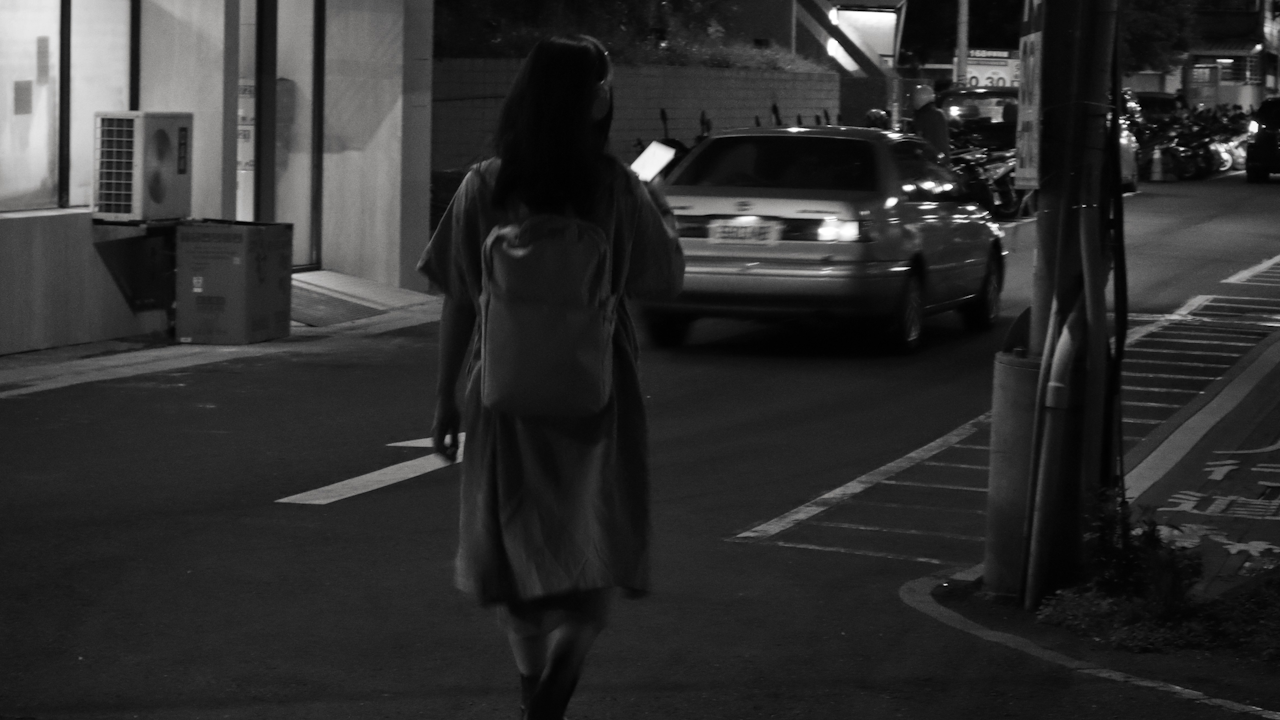
Safety forms the cornerstone of enjoyable solo travel. Trust your instincts above all else. If a situation, person, or place feels uncomfortable, remove yourself immediately without worrying about politeness. Situational awareness keeps you alert: avoid staring at your phone while walking, especially in unfamiliar areas, and keep headphones off or at low volume so you hear surroundings. Dress to blend in by observing local women and mirroring their style modestly. Skip flashy jewelry or designer bags that signal wealth. Carry belongings in a cross-body bag or anti-theft backpack worn on the front in crowded spaces. Keep valuables divided across pockets and hidden compartments rather than all in one place.
When using transportation, prioritize reputable options. Book airport transfers through your accommodation or official apps rather than accepting rides from strangers. In taxis or ride-sharing services, share your trip details with a contact and confirm the driver’s identity. For public transit, stick to well-lit, busy routes during daylight hours when possible. Avoid walking alone late at night; use ride services or join group tours instead. In bars or restaurants, never leave drinks unattended and consider buying your own rather than accepting offers from strangers.
Choose accommodations that enhance both safety and social opportunities. Hostels with high ratings and female-only dorms or floors provide affordable stays where you can meet other travelers easily. For more privacy, select well-reviewed boutique hotels or apartments in central, populated neighborhoods with 24-hour reception. Read recent guest comments specifically mentioning solo female experiences. Upon arrival, familiarize yourself with emergency exits and keep your room key with you at all times. Inform staff that you are traveling alone so they can offer extra assistance if needed.
Daily life on the road presents its own set of strategies. When eating alone, choose cafes or restaurants with communal tables or counter seating to feel less isolated. Bring a book or journal to occupy yourself comfortably, or use the time to people-watch and plan your next adventure. Join group activities such as walking tours, cooking classes, or day trips organized through your hostel or local operators. These structured settings allow safe interaction with others while exploring. To combat loneliness, schedule regular video calls home and maintain an online journal or social media presence to share highlights without revealing real-time locations.
Technology serves as a powerful ally for solo female travelers. Download offline maps and translation apps before departure so they function without internet. Popular choices include Google Maps with downloaded areas, Maps.me for detailed navigation, and Google Translate with camera functionality for signs and menus. Safety-specific apps let you share your location in real time with trusted contacts or send discreet alerts if needed. Consider services that connect you with local female travelers or provide emergency hotlines. An eSIM or affordable international data plan ensures constant connectivity without relying on public Wi-Fi, which can pose security risks. Enable two-factor authentication on all accounts and use a VPN when accessing sensitive information on public networks.
Health and wellness deserve equal attention to physical safety. Schedule a pre-trip medical check-up and discuss vaccinations or preventive medications for your destinations. Pack a personalized health kit including any ongoing prescriptions in original packaging, plus copies of prescriptions. Stay hydrated with a large reusable bottle and prioritize nutritious meals to maintain energy levels during long exploration days. Build rest into your schedule; jet lag and constant activity can lead to burnout or poor decisions. Practice good sleep hygiene with eye masks and earplugs in shared spaces. For mental well-being, embrace mindfulness techniques or short meditation sessions to process experiences and manage homesickness. Many women find journaling especially therapeutic, capturing reflections that later become treasured memories.
Cultural sensitivity elevates your travels and reduces risks. Learn basic phrases in the local language such as greetings, thank you, and directions. Even simple efforts earn respect and open doors to genuine interactions. Research gender norms thoroughly so you can navigate social situations gracefully. In more conservative destinations, opt for longer sleeves and covered shoulders or knees. Observe how local women interact in public and follow suit. When receiving unwanted attention, respond firmly yet calmly with a clear no, then disengage. Having a fictional partner or urgent appointment as a polite excuse can help exit uncomfortable conversations quickly.
Handling emergencies requires advance thought. Memorize or save local emergency numbers for police, ambulance, and fire services. Know the location of the nearest embassy or consulate and keep their contact details accessible offline. If you lose your passport, contact your embassy immediately while using copies to facilitate replacement. Carry a small amount of emergency cash hidden separately from your main funds. In the event of illness or injury, use your insurance provider’s 24-hour helpline for guidance on local care. Preparation minimizes panic and allows quick resolution.
Many solo female travelers encounter common pitfalls that smart planning avoids. Overpacking leads to exhaustion from lugging heavy bags between trains or buses. Combat this by laying out everything you think you need, then removing half. Relying solely on technology without backup plans can fail when batteries die or signals drop; always carry paper maps and written directions as supplements. Ignoring personal limits by packing too many activities into one day results in fatigue that clouds judgment. Listen to your body and build flexibility into itineraries. Finally, comparing your journey to others on social media steals joy; focus on your own pace and experiences.
Building community enriches solo travel without compromising independence. Participate in free or low-cost walking tours, language exchanges, or volunteer opportunities that attract like-minded people. Apps designed for travelers facilitate safe meetups in public places. Many hostels organize group dinners or game nights that foster connections naturally. Over time, these interactions often evolve into lasting friendships or travel buddies for future segments of your trip. Remember that solitude offers its own gifts: quiet reflection in a bustling market or the freedom to change plans on a whim.
Recommended starting points for 2026 include several standout destinations that balance adventure with ease. Iceland provides dramatic landscapes, reliable services, and a culture of gender equality that puts solo women at ease. New Zealand delivers outdoor thrills with minimal safety concerns thanks to its low population density and friendly locals. Japan combines ancient temples with modern efficiency, where women report feeling secure even in large cities. Portugal offers sunny beaches, historic towns, and an affordable lifestyle perfect for extended stays. Costa Rica appeals to nature lovers with its eco-lodges and adventure options, supported by a generally welcoming atmosphere. Thailand remains a budget favorite for beaches, food, and temples, though sticking to tourist-friendly areas enhances comfort. Canada and its vast national parks suit those seeking diverse urban and wilderness experiences within a safe framework.
As your trip unfolds, remain adaptable. Weather changes, closed attractions, or sudden fatigue require quick pivots, which solo travel encourages you to master. Celebrate small victories such as navigating a new subway system or striking up a conversation in a foreign language. These moments compound into profound personal growth.
In conclusion, solo female travel transforms how you see the world and yourself. With thorough research, practical safety measures, thoughtful packing, and an open heart, challenges become manageable and joys multiply. Thousands of women travel alone successfully each year, returning stronger and more curious than before. Take that first step, trust the process, and embrace the incredible freedom that awaits. Your next adventure begins with preparation today and unfolds with wonder tomorrow. Safe travels and unforgettable discoveries lie ahead.