

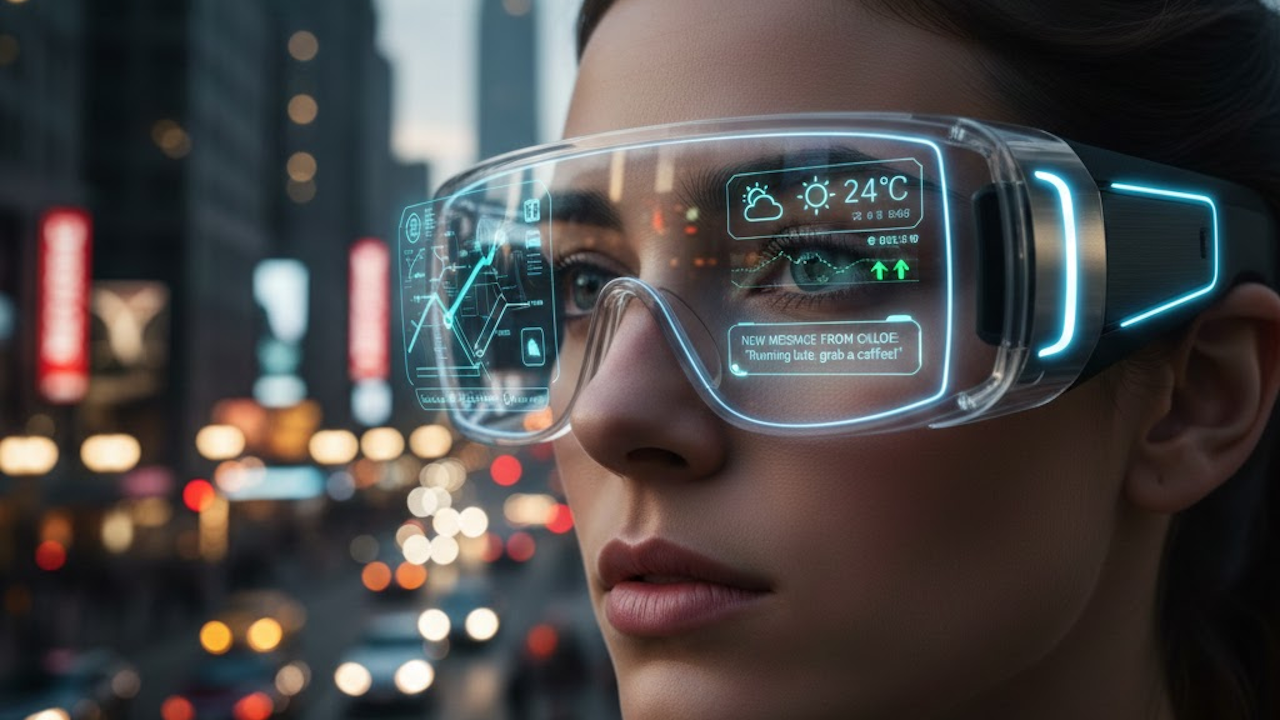
Augmented Reality (AR) technology fundamentally transforms how we perceive our surroundings by integrating digital information seamlessly with the physical world. At its core, AR overlays and interacts with real-world environments, providing users with enhanced experiences through visual or auditory means. This is achieved primarily through a combination of cameras, sensors, and advanced displays that work together to create a coherent AR experience.
Cameras act as the primary input devices, capturing live video footage of the physical environment. These images are analyzed by software that identifies surfaces, objects, and spatial relationships within the scene. Sensors, including accelerometers and gyroscopes, help track the user’s head and body movements, ensuring that the digital content aligns correctly with the real-world space. This dynamic interaction between sensing and displaying enables AR to remain contextually relevant as users move through their environments.
The evolution of AR technology has significantly advanced over the years. Initial developments often rendered basic overlays on smartphone screens or displayed static information, but recent innovations have brought forth more sophisticated systems capable of multi-layered and interactive experiences. The inception of AR glasses marks a significant breakthrough in this progression, adorning the user’s vision with intuitive interfaces that enhance learning, productivity, and entertainment.
As we witness the increasing integration of AR into daily life, it is important to recognize the underlying technologies that power these advancements. AR glasses, for instance, need to combine efficient processing capabilities with lightweight designs, presenting a new frontier where digital media meets natural human perception. Such developments not only improve the functionality of AR devices but also expand potential applications, spanning diverse industries from education to healthcare.
The Features and Benefits of AR Glasses
Augmented Reality (AR) glasses represent a significant step forward in the way we interact with digital information overlaying our physical environment. One of the hallmark features of AR glasses is their hands-free functionality, enabling users to access information without the need to handle a device. This is particularly advantageous in situations where manual dexterity is crucial, such as during technical repairs, surgery, or even while cooking.
Another distinguishing feature is the real-time information overlay capability. AR glasses can present contextual data directly in the user’s line of sight, allowing for a seamless blend of digital information with the physical world. For instance, healthcare professionals can view patient vital signs or instructions without diverting their attention from the patient, improving efficiency and reducing the margin for error.
AR glasses also foster interactive experiences, enhancing user engagement in various sectors. In education, they facilitate immersive learning experiences, allowing students to visualize complex concepts in 3D, making learning more intuitive and memorable. In the gaming industry, AR glasses provide a groundbreaking way to interact with the game environment, transforming traditional gameplay into a more physically engaging experience.
The benefits of using AR glasses extend to numerous applications, such as navigation. By overlaying directions on the user’s field of vision, these devices assist users in reaching their destination without distraction. Furthermore, industries like retail are increasingly adopting AR technology to enhance customer experience by allowing virtual try-ons of products, thus bridging the gap between online and physical shopping.
In essence, AR glasses not only elevate user experiences but also provide practical advantages by integrating technology more deeply into everyday tasks. The ongoing development and adoption of these devices suggest a promising future, where AR becomes an integral part of our daily interactions with the world.
Augmented Reality (AR) glasses represent a transformative advancement in the way we perceive and interact with our surroundings. However, despite their potential, several challenges and limitations impede their widespread adoption. One prominent issue is battery life. The energy demands of AR functions, including various sensors and displays, often exceed the capabilities of current battery technologies. Users may find themselves frequently charging their devices, which detracts from the convenience that portable technology should ideally offer.
Another significant technical obstacle is display quality. Users require high-resolution visuals to engage efficiently with digital overlays without causing eye strain or discomfort. Current AR glasses struggle to provide the clarity and brightness necessary for prolonged use, particularly in varied lighting conditions. This lack of optimal display performance can make them less appealing, especially for potential consumers accustomed to high-quality screens.
User comfort is also a crucial consideration. Many AR glasses are bulky and heavy, leading to discomfort during extended use. This challenges manufacturers to create lighter designs that do not sacrifice technological capabilities. Ergonomics, therefore, plays a pivotal role in consumer acceptance.
Beyond the technical issues, there are significant social and ethical implications to consider. Privacy concerns are at the forefront, as AR glasses can be equipped with continuous recording capabilities and facial recognition technology, raising alarms about surveillance and individual privacy rights. Furthermore, a digital divide may emerge, wherein those who cannot afford these advanced technologies are left behind, exacerbating existing inequalities.
Addressing these challenges is paramount for the successful integration of AR glasses into daily life. Without overcoming these technical, social, and ethical barriers, the potential of AR technology remains largely unrealized, hampering its progression toward mainstream acceptance.
The Future of AR Glasses and Their Impact on Society
The advancement of augmented reality (AR) glasses promises a transformative impact on society, revolutionizing how individuals interact with both their immediate environments and the digital landscape. As technology continues to evolve, the integration of AR glasses into daily life appears inevitable. Future iterations may feature improved hardware, lighter designs, and enhanced software capabilities, allowing users to engage seamlessly with digital overlays on the real world.
One of the most anticipated changes is the potential for enhanced communication. Imagine a world where virtual meetings occur in real time, with digital avatars appearing in the physical space of participants. This could significantly alter work environments, making remote collaboration more immersive and effective. Industries such as education and healthcare may also benefit from AR glasses. For example, educators can provide interactive lessons, while healthcare professionals can access critical information during surgeries without the need to divert their attention away from the patient.
Moreover, leisure activities could be profoundly affected. AR glasses may transform how individuals experience entertainment, such as gaming or sports watching, by layering digital graphics onto physical contexts. The ability to track fitness data in real time or to navigate new environments using AR guidance can enhance personal lifestyle choices. Shopping experiences may also become entirely new by allowing consumers to visualize how products would look in their homes or personal spaces.
Despite the excitement surrounding AR glasses, ethical considerations and privacy issues must be addressed. As these devices increasingly collect data to deliver personalized experiences, there will be important discussions about data security and consent. Ensuring that future developments of AR technology prioritize user safety will be crucial for societal acceptance.
In conclusion, the future of AR glasses holds immense potential to reshape communication, work, and leisure activities. Embracing this technology will require careful consideration of both its benefits and its implications for society.