

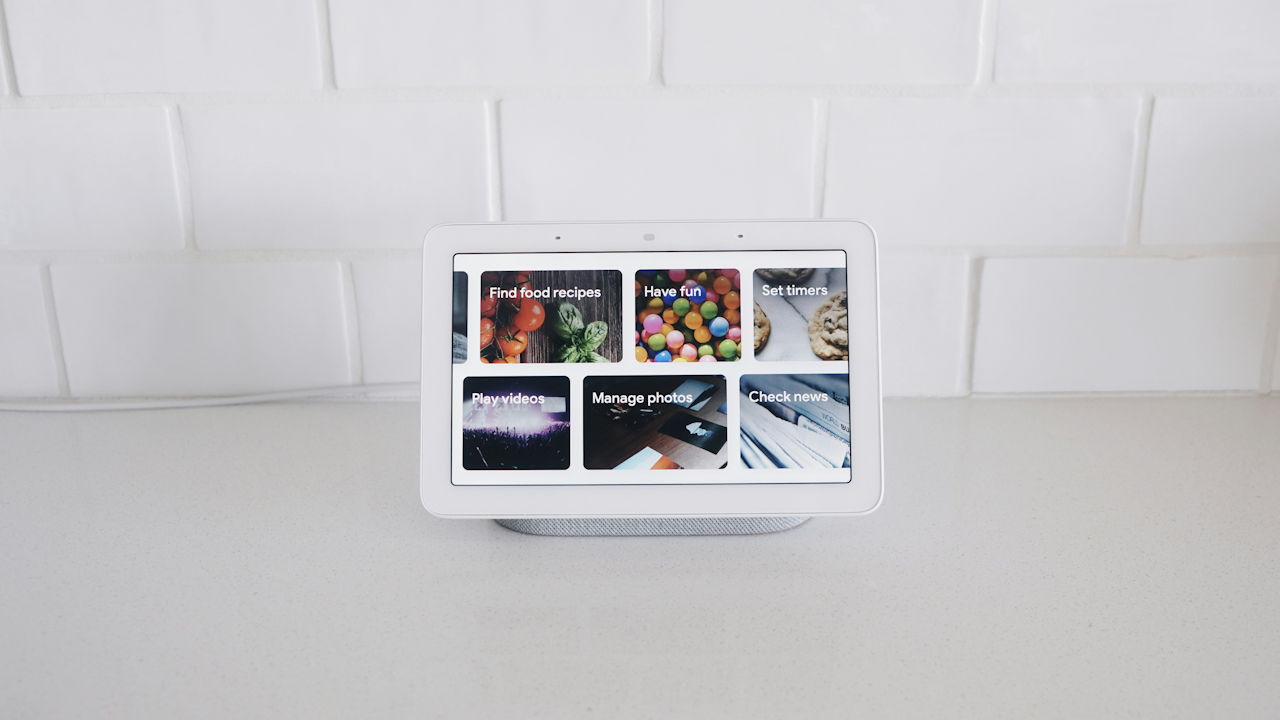
The kitchen, once a domain of intuition, family recipes passed down through generations, and the occasional cookbook, is undergoing a profound transformation. Artificial intelligence is stepping into the heart of the home, turning ordinary cooking spaces into intelligent ecosystems that anticipate needs, optimize processes, and elevate culinary experiences. This smart cooking revolution promises not just convenience but a fundamental shift in how humans interact with food preparation, nutrition, and creativity. From suggesting recipes based on fridge contents to automating precise temperature controls, AI is redefining the art and science of cooking.
The Evolution of Kitchen Technology
Cooking tools have always reflected human ingenuity. Early humans used fire and simple utensils. The Industrial Revolution brought stoves, refrigerators, and electric mixers. The late 20th century introduced microwaves, food processors, and basic programmable appliances. Yet these tools required constant human oversight and decision-making.
The digital age accelerated change. Smart thermostats and connected devices laid groundwork in the 2010s. Voice assistants like Amazon Alexa and Google Assistant entered kitchens, answering questions and setting timers. The true leap came with machine learning and computer vision. Cameras inside ovens or on countertops now analyze food in real time. Algorithms process vast datasets of recipes, nutritional information, user preferences, and even global ingredient availability.
Today, AI integrates across the cooking pipeline: inventory management, recipe generation, step-by-step guidance, automated execution, and post-meal analysis. This is no longer science fiction. Millions of households already use elements of this technology, and adoption accelerates as costs decline and capabilities expand.
Core Technologies Driving the Revolution
Several interconnected technologies power modern smart kitchens.
Inventory and Ingredient Recognition
Smart refrigerators equipped with internal cameras and sensors scan contents, track expiration dates, and suggest recipes to minimize waste. Systems like Samsung’s Family Hub or LG’s smart fridges use AI to identify items via image recognition. Place a bunch of kale and leftover chicken inside, and the fridge might propose a stir-fry or salad. Mobile apps extend this capability to pantry staples using phone cameras.
Computer vision models, trained on millions of food images, achieve high accuracy in distinguishing between similar items like different apple varieties or herb types. Natural language processing allows users to ask, “What can I make with these ingredients?” and receive tailored suggestions.
Recipe Personalization and Generation
AI-powered platforms go beyond static recipe databases. Apps such as ChefGPT, Whisk, or integrated features in devices like Thermomix analyze user history, dietary restrictions, allergies, fitness goals, and even mood indicators from wearables. A user training for a marathon might receive high-protein meals with precise macronutrient breakdowns. Someone with gluten intolerance gets automatically adapted versions of classic dishes.
Generative AI models create entirely new recipes. Input constraints like “vegan, under 30 minutes, using seasonal produce,” and the system produces original instructions with estimated times, difficulty levels, and shopping lists. These models draw from global cuisines, scientific principles of flavor pairing, and chemical compatibility of ingredients.
Guided Cooking and Assistance
Voice-controlled systems provide real-time coaching. While chopping vegetables, a user hears, “Cut the onions into uniform 1-centimeter dice for even cooking.” Augmented reality overlays on tablets or smart glasses show technique demonstrations. Sensors in smart pots and pans monitor temperature, stirring patterns, and moisture levels, alerting users to adjustments.
Devices like the Anova Precision Oven or connected multicookers integrate AI to automate entire processes. Load ingredients, select a dish profile, and the appliance handles timing, heat levels, and even agitation. Machine learning improves over time by learning from user feedback—perhaps noting a preference for crispier textures and adjusting future sessions accordingly.
Automation and Robotics
Advanced setups feature robotic arms or specialized gadgets. Moley Robotics offers a kitchen pod with robotic manipulators that replicate chef movements from recorded videos. While currently expensive, prices are falling. Smaller tools like automated stirrers, pancake makers, or pasta extruders incorporate AI for consistency.
In commercial settings, AI drives efficiency at scale. Restaurant chains use predictive analytics for demand forecasting, reducing overproduction. Robotic kitchens in some fast-casual concepts prepare standardized items with minimal human intervention.
Benefits Transforming Daily Life
The smart cooking revolution delivers measurable advantages.
Time Savings and Accessibility
Busy professionals reclaim hours weekly. AI handles planning and monitoring, allowing multitasking or family time. Novice cooks gain confidence through guided instructions that reduce failure rates. Elderly users or those with disabilities benefit from voice interfaces and automated safety features that prevent burns or forgotten stove elements.
Health and Nutrition Improvements
Personalized recommendations promote balanced diets. AI calculates nutritional content accurately, suggesting modifications for conditions like diabetes or heart disease. Portion control becomes precise. Integration with fitness trackers creates seamless loops: post-workout recovery meals appear automatically.
Waste reduction stands out as a major win. Global food waste remains staggering, but AI systems cut household discards by suggesting uses for leftovers and optimizing shopping lists based on consumption patterns.
Sustainability and Cost Efficiency
Predictive purchasing minimizes excess buys. Energy-efficient smart appliances learn usage patterns to optimize power consumption. Some systems connect to local farm databases, prioritizing seasonal, low-carbon ingredients. Over time, users report lower grocery bills through reduced waste and targeted buying.
Culinary Creativity and Education
Far from replacing human creativity, AI augments it. Home cooks experiment with confidence, trying fusion cuisines or advanced techniques. Educational aspects shine through: explanations of why certain steps matter, science behind Maillard reactions, or cultural context of dishes. Children learn cooking playfully via interactive AI companions.
Challenges and Considerations
Despite promise, hurdles exist.
Privacy and Data Security
Kitchens generate intimate data—eating habits, family routines, health information. Concerns about data sharing with manufacturers or third parties persist. Strong encryption, transparent policies, and user-controlled data are essential for widespread trust.
Cost and Accessibility Gaps
High-end smart appliances remain expensive, potentially widening divides between socioeconomic groups. However, software solutions and mid-range devices are democratizing access. Subscription models for premium AI features raise questions about long-term affordability.
Reliability and Over-Reliance
AI occasionally errs in recognition or suggestions, especially with unusual ingredients or cultural variations. Power outages or system glitches disrupt workflows. Critics worry about skill atrophy if users depend too heavily on automation, losing tactile knowledge and intuition that define great cooking.
Technical Limitations
Current systems struggle with highly variable conditions—different stove types, altitude effects, or subjective taste preferences. Training data may underrepresent diverse global cuisines, risking cultural homogenization if not addressed.
Ethical and Environmental Impacts
Increased electronics production carries environmental costs. The push for ever-smarter devices must balance against repairability and recycling. Questions arise about AI’s role in food systems: will it favor industrial ingredients over traditional methods?
Real-World Examples and Adoption Trends
Early adopters showcase potential. Families using smart fridges report 20-30 percent waste reduction. Home chefs on platforms like Reddit share success stories of AI helping master complex pastries or regional specialties.
Major players invest heavily. Whirlpool, Bosch, and Asian manufacturers like Haier expand AI lines. Tech giants integrate kitchens into broader smart homes. Startups focus on niches: AI for wine pairing, coffee optimization, or baking precision.
During the COVID-19 pandemic, interest surged as people cooked more at home and sought contactless solutions. Post-pandemic, the momentum continues, with projections estimating the smart kitchen market reaching tens of billions of dollars in coming years.
The Road Ahead
Looking forward, integration deepens. Brain-computer interfaces might one day allow thought-based recipe adjustments, though this remains speculative. Multimodal AI combining vision, smell sensors, and taste simulation could create hyper-personalized experiences.
Sustainability-focused AI will likely prioritize planetary health, suggesting low-impact meals aligned with climate data. Collaborative robots may become commonplace for repetitive tasks, freeing humans for creative plating and seasoning.
Education systems might incorporate AI kitchen labs, teaching digital literacy alongside traditional skills. Community platforms could share anonymized data to improve collective recipes while preserving privacy.
Hybrid approaches will dominate: AI as an intelligent assistant rather than full replacement. The best cooks of tomorrow will blend technological precision with human passion, emotion, and cultural wisdom.
Conclusion
The AI-powered smart cooking revolution marks a new chapter in humanity’s relationship with food. It streamlines drudgery, enhances health outcomes, reduces environmental footprints, and opens creative possibilities. Challenges around equity, privacy, and skill preservation require thoughtful navigation, but the overall trajectory points toward more joyful, efficient, and sustainable kitchens.
As AI evolves, the kitchen remains a profoundly human space—where nourishment meets expression, tradition blends with innovation, and families gather. Technology simply provides better tools for the timeless pursuit of good food and connection. The revolution is not about replacing the cook but empowering everyone to cook smarter, healthier, and with greater delight. In this future kitchen, artificial intelligence doesn’t diminish the magic of cooking; it amplifies it.