

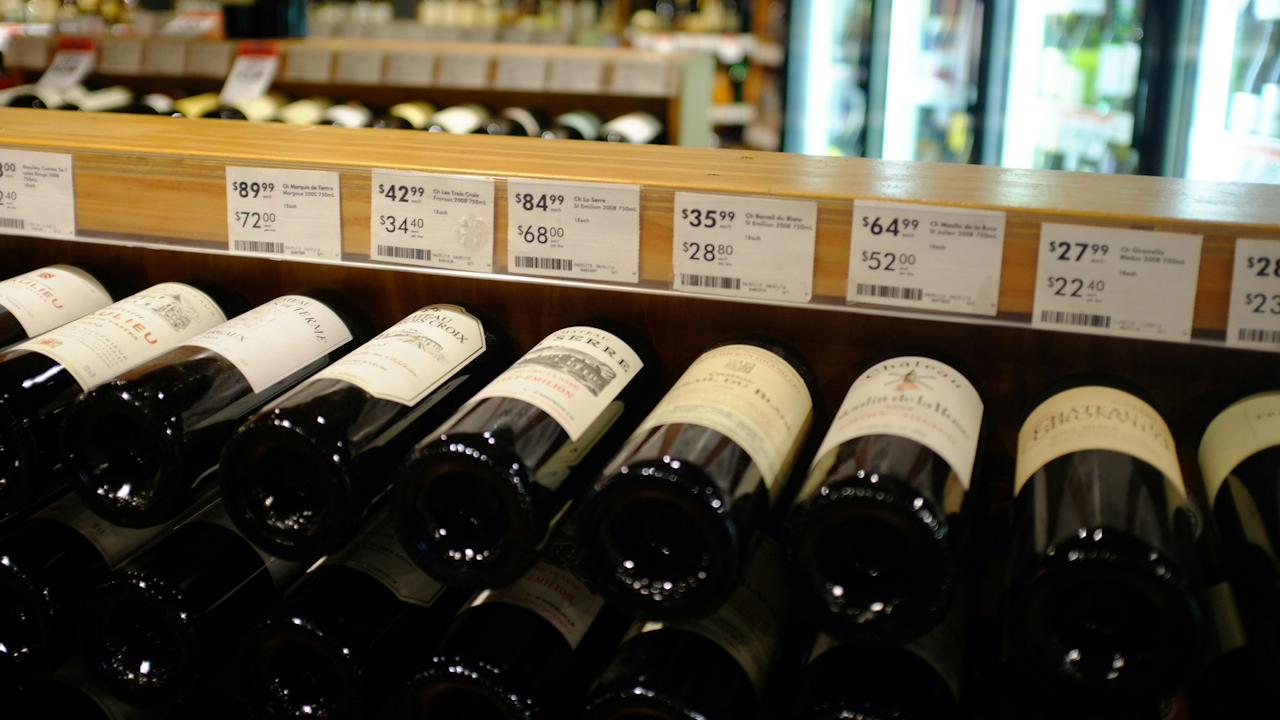
In the world of wine, price often serves as a proxy for quality, yet countless bottles prove this assumption wrong. Across regions and styles, dedicated producers deliver wines with the complexity, balance, structure, and lingering pleasure typically associated with bottles costing two or three times as much. These affordable standouts arise from ideal combinations of terroir, thoughtful farming, skilled winemaking, and smart economics. Old vines concentrate flavor naturally. Cooler microclimates preserve acidity. Thoughtful oak usage or lees contact adds layers without inflating costs. The result is wines that surprise even experienced tasters in blind comparisons.
Recent expert roundups confirm the abundance of such values. Wine Spectator’s 2025 list of top values featured bottles scoring 90 points or higher, all priced at 40 dollars or less and produced in volumes that make them widely available. James Suckling’s corresponding value report highlighted everyday gems with similar strengths in precision and consistency. Publications like Food and Wine have spotlighted dozens of options under 25 dollars selected by professionals for holiday tables and everyday drinking. These wines span reds, whites, and sparkling styles. They come from both Old World classics and New World innovators. The common thread is genuine character that elevates the experience far beyond the receipt.
What truly makes a wine taste expensive? It begins with balance. Fruit, acidity, tannin or texture, and alcohol harmonize so no single element dominates. Complexity follows. Primary fruit aromas and flavors layer with secondary notes from fermentation or oak and, in some cases, tertiary hints from bottle age such as earth, leather, or dried fruit. A long, evolving finish signals quality. Mouthfeel matters enormously. Silky tannins, creamy textures from lees, or vibrant freshness create satisfaction that cheap, thin, or harsh wines lack. Aromatic intensity and precision also play roles. Wines that smell and taste vibrant rather than muted or artificial reward the drinker with each sip.
Value producers achieve these traits through practical advantages. Many work with high-quality fruit from regions where land and labor costs remain reasonable. Some leverage scale to invest in better equipment while keeping per bottle prices low. Others focus on lesser known sub appellations or grape varieties that share profiles with famous counterparts. Modern viticulture helps too. Healthier vines and precise harvesting reduce the need for heavy intervention in the cellar. The outcome is wines that deliver luxury sensations at accessible prices.
Key Regions That Consistently Over Deliver
Certain places have built reputations for punching above their weight. In Spain, Rioja stands out for Tempranillo based wines that gain spice, vanilla, and structure from oak aging yet remain affordable in Crianza and Reserva categories. Italy offers incredible diversity. Northern whites from Friuli and Veneto deliver minerality and precision. Central reds from Chianti and Piedmont provide juicy acidity and food friendliness. Southern and central Italian grapes like Montepulciano and Primitivo yield bold yet balanced reds. France contributes through southern Rhône blends echoing more famous neighbors, Beaujolais for bright Gamay fruit, and satellite or entry level Bordeaux that capture classic structure at lower cost. Languedoc and other southern areas produce expressive Grenache and Syrah blends economically.
New World regions excel as well. Argentina’s Mendoza Malbecs often show plush dark fruit and soft tannins reminiscent of higher priced New World reds. Chile delivers Cabernet Sauvignon and Carmenere with herbal and fruit depth from established valleys. Washington State and Oregon provide excellent Syrah, Cabernet, and Pinot Noir from vineyards with strong diurnal shifts that build complexity. Australia’s Margaret River and cooler Western Australian sites yield polished Cabernet blends and Rieslings. Uruguay’s Tannat offers distinctive depth with balanced tannins. Even within California and other U.S. areas, Central Coast and Central Valley producers create accessible yet serious wines through careful sourcing.
These regions benefit from established infrastructure, consistent vintages in many cases, and producers who prioritize quality expression over hype. The wines travel well and appear on retail shelves globally, making discovery straightforward.
Standout Affordable Reds That Rival Pricier Bottles
Reds offer some of the most dramatic examples of value. One of the most celebrated recent releases is the Muga Rioja Reserva. Wine Spectator named a recent vintage its Wine Value of the Year. This Tempranillo dominant wine, with small amounts of Garnacha, Mazuelo, and Graciano, delivers classic Rioja character. Expect a core of cherry and plum fruit wrapped in fragrant spices, herbs, coffee, and mineral notes. Sculpted yet fine tannins support a long finish. It drinks beautifully now yet has the structure to improve with several years of cellaring. At roughly 35 to 40 dollars, it competes with far more expensive aged Riojas or similar structured reds from elsewhere. Pair it with roasted meats, grilled vegetables, or Spanish inspired dishes like paella.
Another impressive Italian example is the Tenuta di Arceno Chianti Classico. This 93 point wine blends 85 percent Sangiovese with 15 percent Merlot. The Merlot component softens the Sangiovese’s edges while adding bright cherry, raspberry, and blackberry fruit. Earthy undertones and fine structure emerge from sustainably farmed hillside vineyards. Aged in used barriques, it offers immediate appeal yet benefits from short term cellaring. Around 30 dollars, it represents the kind of balanced, food friendly red that defines great Chianti at a sensible price.
For plush, approachable texture, consider the Rutherford Hill Merlot from Napa Valley. This 93 point bottling draws from prime vineyards including estate holdings in the Stags Leap District area. Supple and elegantly structured, it shows the finesse Merlot can achieve when handled with care. Tank fermentation followed by 14 months in a mix of new and used French oak yields polished tannins and integrated oak. At 40 dollars it delivers Napa sophistication without the typical Cabernet price tag.
Oregon Pinot Noir provides another highlight. The La Crema Willamette Valley bottling earned 92 points. Sourced from multiple sub appellations including Dundee Hills and Yamhill Carlton, it captures classic red raspberry fruit laced with cinnamon and smoky spice. Seven months in French oak, 21 percent new, keeps it approachable and vibrant. At 28 dollars it offers a gateway to serious Oregon Pinot character.
Uruguay contributes something distinctive with the Bodega Garzón Tannat Reserva. This 91 point wine shows deep flavors balanced by approachable tannins thanks to concrete fermentation and French oak cask aging. Maritime influence adds freshness to the naturally robust grape. Around 22 dollars, it introduces a unique yet versatile red that pairs with grilled meats or hearty stews.
California Cabernet options abound at lower prices. The Grounded Wine Co. Cabernet Sauvignon delivers textbook succulent fruit and immediate accessibility from sustainably farmed vineyards across several counties. The 2023 vintage earned 90 points at 18 dollars. Angels and Cowboys Cabernet from the North Coast shows boysenberry notes and velvety texture after extended oak aging, around 20 dollars. Catena’s High Mountain Vines Cabernet from Argentina offers cherry fruit with tobacco and mocha accents for about 24 dollars, proving high altitude Mendoza fruit can rival more expensive expressions.
Additional reds worth seeking include well made Côtes du Rhône from producers like Guigal or Perrin for Grenache Syrah Mourvèdre blends that echo pricier Châteauneuf du Pape at 10 to 16 dollars. Beaujolais Villages or Cru wines deliver juicy, vibrant Gamay fruit with minimal oak for 12 to 18 dollars. These shine slightly chilled with charcuterie or lighter fare.
Whites That Deliver Elegance and Freshness
White wines often provide even greater value because production costs can be lower and styles emphasize freshness. The Schiopetto Pinot Grigio Collio earned recognition as a top value wine for its elegant, vibrant, and sharply focused profile. At around 18 dollars it demonstrates why quality Friuli Pinot Grigio stands among the finest expressions of the variety regardless of price. Expect precision, superb minerality, and refreshing acidity that lifts food pairings from seafood to poultry.
Soave Classico from Pieropan, specifically the La Rocca vineyard, serves as a benchmark. This 2023 release around 40 dollars or less offers distinctive character, consistency, and broad availability. It shows the depth and aging potential possible in Garganega based wines from top sites.
Chardonnay lovers will appreciate the Wente Morning Fog from California’s Central Coast. This 90 point wine balances freshness, complexity, and creaminess through a split fermentation in neutral oak and stainless steel. Tropical notes from Arroyo Seco fruit and a touch of Gewürztraminer for aromatics make it versatile at 18 dollars.
Sauvignon Blanc offers zesty options. The Invivo Marlborough X blend, involving Sarah Jessica Parker in blending decisions, earned 92 points. Skin contact and light oak add complexity to classic passionfruit and citrus notes. Around 19 dollars it elevates the category. Other strong choices include J. Lohr Flume Crossing from California or various Marlborough bottlings from Rapaura Springs and Grove Mill, all delivering bright citrus, tropical, or herbaceous character between 14 and 18 dollars.
For something different, Austrian Grüner Veltliner or French Menetou Salon provide peppery or mineral driven whites that pair exceptionally with a wide range of cuisine. These often cost under 25 dollars yet reward with texture and food versatility.
Sparkling Wines That Capture Celebration Without the Champagne Cost
Sparkling wines represent one of the best categories for value. Traditional method Cava from Spain uses the same production process as Champagne yet benefits from different economics and grape varieties like Macabeu, Xarel lo, and Parellada. Look for Brut Reserva or Gran Reserva bottlings for added toasty and yeasty complexity from extended aging on lees. Producers such as Juvé and Camps, Segura Viudas, Avinyó, or Anna de Codorníu frequently deliver excellent examples between 10 and 20 dollars. These offer fine bubbles, apple and citrus notes, and a satisfying finish that rivals much pricier sparklers.
French Crémant from Burgundy, Loire, or Limoux provides another Champagne style alternative with Chardonnay or Pinot influence and similar autolytic character. New Mexico’s Gruet Brut has earned consistent praise for its crisp apple, lemon, and toasty profile at accessible prices. Quality Prosecco Superiore or even well made Lambrusco for red sparkling fun also fit the bill when freshness and balance are prioritized.
How to Find, Buy, and Enjoy These Wines
Sourcing these values requires a mix of research and exploration. Check recent scores from Wine Spectator, James Suckling, Wine Enthusiast, or community platforms like Vivino. Apps and websites allow price comparisons across retailers. Warehouse clubs such as Costco often stock excellent Kirkland Signature wines and other values. Large retailers like Total Wine or well curated grocery stores provide volume and frequent sales. Independent wine shops reward questions. Knowledgeable staff frequently recommend hidden gems or current vintages that over deliver.
Buy by the case when possible for discounts of 10 to 15 percent. Mix and match across styles to build versatility. For cellaring potential, seek structured reds like Rioja or Chianti Classico with proven track records. Most value whites and sparklers are best enjoyed young and fresh, within a year or two of release.
Serving practices elevate any wine. Chill whites and sparkling to 45 to 55 degrees Fahrenheit to highlight aromas and refreshment. Serve reds slightly below room temperature, around 60 to 65 degrees, to emphasize fruit and soften tannins. Decant younger or more structured reds for 30 to 60 minutes if desired. Use decent glassware with a generous bowl to concentrate aromas. Proper storage in a cool, dark place preserves quality for wines you plan to age.
Pairings enhance enjoyment. Match acidity and weight. Crisp whites and sparkling wines cut through rich or fried foods. Juicy reds complement tomato sauces, grilled vegetables, or poultry. Fuller bodied reds stand up to red meats, game, or aged cheeses. Experimentation builds intuition.
The Joy of Smart Wine Drinking
Affordable wines that taste expensive remind us that pleasure in the glass stems from quality and character rather than cost alone. By focusing on balance, complexity, and provenance, consumers gain access to experiences once reserved for special occasions. These bottles encourage exploration across regions and styles while fitting comfortably into regular routines. They also support producers who prioritize sustainable practices and genuine expression.
The next time you shop, look beyond familiar big brands or the highest shelf prices. Seek out the examples highlighted by experts and trusted retailers. Open a bottle with curiosity. Notice how the aromas unfold, how the palate evolves, and how the finish lingers. You may find yourself returning to these values again and again. Great wine is ultimately about enjoyment and discovery. With so many outstanding options available at sensible prices, every glass becomes an opportunity to appreciate the craft behind it. Raise a glass to the producers making premium taste accessible and to the pleasure that awaits in well chosen, affordable bottles.