

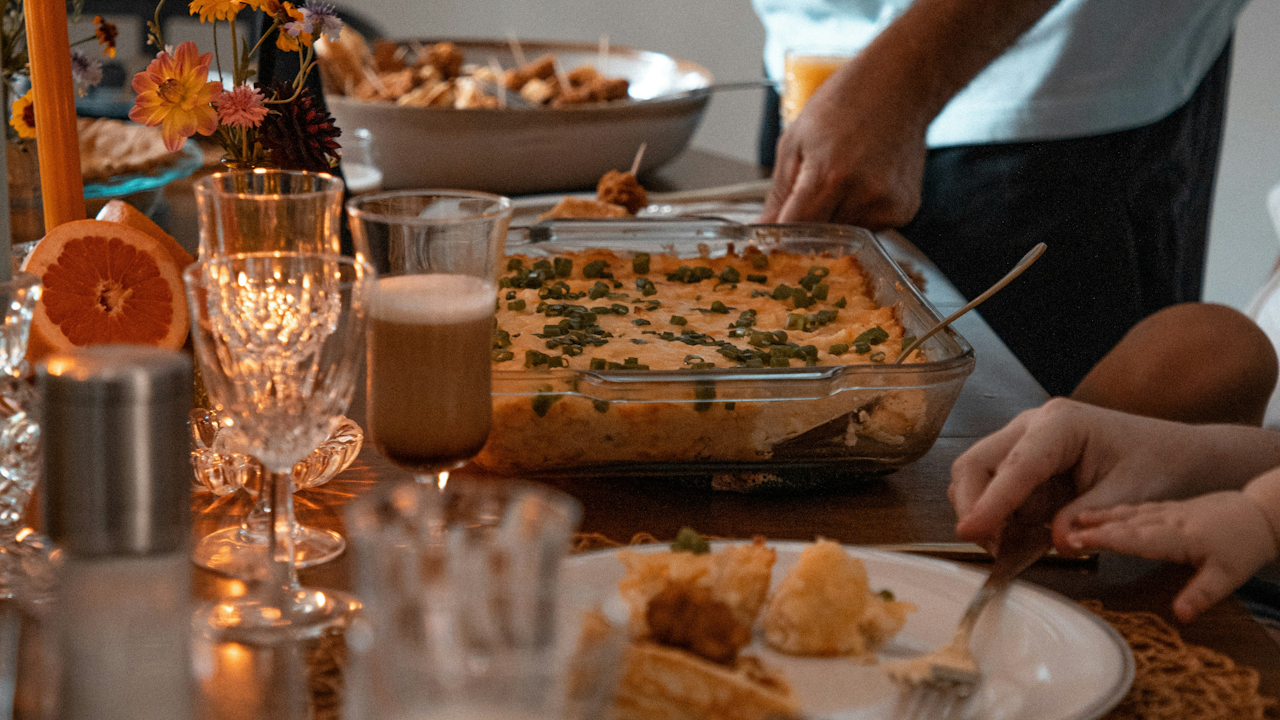
Hosting a dinner party is one of the most rewarding ways to bring people together. It creates space for meaningful conversations, shared meals, and lasting memories. Whether you are a seasoned host or planning your first gathering, a successful dinner party requires thoughtful preparation, attention to detail, and a flexible mindset. This guide covers every step to help you host an evening that feels effortless and enjoyable for everyone, including you.
Why Host a Dinner Party?
In an era of quick texts and busy schedules, a dinner party stands out as an intentional act of connection. Guests appreciate the effort, and hosts often find the process fulfilling. A well-executed party strengthens friendships, builds professional networks, or simply provides a break from routine. The goal is not perfection in an unattainable sense but creating an atmosphere where people feel welcomed, comfortable, and engaged.
Step 1: Define Your Vision and Set the Date
Start by deciding the style of your dinner party. Will it be formal with multiple courses, casual with family-style platters, intimate for six people, or lively for a dozen? Consider the occasion: a birthday celebration, holiday gathering, or simple catch-up with friends.
Choose a date at least three to four weeks in advance. Avoid major holidays unless that is your theme. Friday or Saturday evenings work best for most guests. Send invitations early, ideally four weeks ahead, so people can plan accordingly. Use email, digital tools, or handwritten notes depending on your group’s preferences. Include key details: time, address, dress code if any, and any dietary considerations to note.
Aim for a guest list that mixes well. A balanced group often includes people who know each other and a few new connections. Six to ten guests is ideal for most home spaces; it allows conversation without feeling overcrowded.
Step 2: Plan the Menu with Care
The menu is the heart of the dinner party. Focus on dishes that are delicious, doable, and flexible. Choose recipes you have made before or tested in advance. Balance flavors, textures, and colors. Include a vegetarian or vegan option even if not requested.
Suggested Structure for a Dinner Party Menu:
- Appetizers or nibbles: Served with drinks as guests arrive. Think cheese boards, olives, dips with crudites, or simple bruschetta.
- Starter: A light soup, salad, or small plated dish.
- Main course: The centerpiece. Roast chicken, grilled fish, hearty vegetarian stew, or pasta for larger groups.
- Sides: Vegetables, grains, or breads that complement the main.
- Dessert: Something that can be prepared ahead, like a cake, fruit tart, or chocolate mousse.
- Drinks: Wine, non-alcoholic options, signature cocktails, water with lemon or cucumber.
Consider dietary restrictions early. Ask guests discreetly when they RSVP. Prepare a few adaptable elements, such as sauces on the side.
Shop in stages. Buy non-perishables a week ahead. Purchase fresh produce and proteins closer to the date. Prepare as much as possible in advance: chop vegetables, marinate meats, bake desserts the day before. This reduces stress on the day of the party.
Step 3: Prepare Your Space
A clean, inviting home sets a positive tone. Deep clean common areas a few days before. Pay special attention to the dining area, kitchen, and bathroom. Fresh towels, soap, and a small basket of essentials in the guest bathroom make a difference.
Lighting matters. Use warm bulbs, dimmable lamps, or candles to create softness. Avoid harsh overhead lights. Fresh flowers or simple greenery add life without clutter. Play background music at a low volume; create a playlist that transitions from upbeat to mellow as the evening progresses.
Set the table the night before or early in the day. Use placemats, napkins, and basic glassware. If formal, include multiple forks and knives, but keep it practical. Name cards can help with seating if you have specific pairings in mind. Fold napkins creatively for a personal touch.
Step 4: Master Timing and Cooking
Timing is one of the biggest challenges. Write a detailed timeline the day before. Work backwards from serving time.
Example timeline for a 7:00 PM dinner:
- 5:00 PM: Final prep, set out appetizers.
- 6:00 PM: Change clothes, light candles, start playlist.
- 6:30 PM: Guests begin arriving; serve drinks and nibbles.
- 7:15 PM: Seat guests and serve starter.
- 7:45 PM: Main course.
- 8:45 PM: Dessert and coffee.
- 10:00 PM onward: Relaxed conversation.
Use your oven and stovetop efficiently. Dishes that can rest or stay warm are helpful. Invest in a good instant-read thermometer for proteins. Keep one or two store-bought items as backups, such as high-quality ice cream or bread.
Step 5: Welcome Guests and Set the Tone
Greet each guest warmly at the door. Take coats and offer a drink immediately. Introduce newcomers to others with a bit of context to spark conversation. A small welcome gesture, such as a handwritten note at their place setting, feels special.
As host, your energy influences the room. Stay calm and present. If something goes wrong in the kitchen, handle it quietly and move on. Most guests will not notice minor issues.
Encourage mingling before dinner. Once seated, facilitate conversation by asking open-ended questions. Topics like recent travels, books, or shared interests work well. Gently steer away from divisive subjects unless your group enjoys lively debate.
Step 6: Create Atmosphere and Entertainment
Music, lighting, and scent contribute to the mood. Scented candles or fresh herbs in the kitchen add subtle fragrance. Keep the table clear enough for easy conversation; avoid tall centerpieces that block views.
For entertainment, consider low-key options. A simple icebreaker game before dinner, a wine tasting element, or a shared playlist contribution from guests. After dessert, move to a living area for coffee and digestifs. Board games or storytelling can extend the evening naturally.
Step 7: Serving and Flow
Decide on family-style versus plated service. Family-style promotes sharing and casual interaction. Plated service feels more elegant but requires more last-minute work.
Refill drinks proactively but not intrusively. Clear plates between courses to keep the table tidy. Have extra napkins and water on hand.
Portion sizes matter. Generous but not excessive. Guests should feel satisfied without discomfort.
Step 8: Handling Unexpected Challenges
Every party has surprises. A guest arrives late? Save them a plate and seat. Someone has an allergy you missed? Have simple alternatives ready. The main dish overcooks? Serve it with confidence and focus on the sides and company.
Keep a sense of humor. Guests remember warmth more than culinary precision. If the evening runs long, have taxi or ride-share numbers ready.
Step 9: Thoughtful Details That Elevate the Evening
- Personalized touches: Small favors, such as homemade cookies or a recipe card for a featured dish.
- Dietary accommodations: Clearly labeled options.
- Accessibility: Consider mobility needs or seating preferences.
- Photos: Take a few group shots if the mood is right, but avoid forcing it.
- Follow-up: Send thank-you messages the next day mentioning a highlight from the evening.
Step 10: Cleanup Strategy
Enlist help gracefully after the meal. Many guests enjoy pitching in. Clear the table together, then relax. For larger parties, consider hiring help or using disposable but elegant serving ware for easier cleanup.
Leftovers can be packaged for guests to take home. This extends the generosity of the evening.
Common Mistakes to Avoid
- Overambitious menu that keeps you stuck in the kitchen.
- Inviting too many people for your space.
- Neglecting non-alcoholic drink options.
- Forgetting to enjoy yourself as the host.
- Poor pacing that leaves guests hungry or overly full.
Final Thoughts
The perfect dinner party is not about flawless execution but genuine hospitality. It is about creating a space where people feel valued and connected. With preparation, flexibility, and a focus on your guests, you can host evenings that become treasured traditions.
Start small if you are new to this. Host a simple gathering for close friends and build from there. Over time, you will develop your signature style, whether elegant, rustic, or eclectic. The most important ingredient is your enthusiasm and care.
Your next dinner party awaits. Plan with intention, cook with love, and open your home with warmth. The memories you create will far outlast the effort you put in. Happy hosting.