

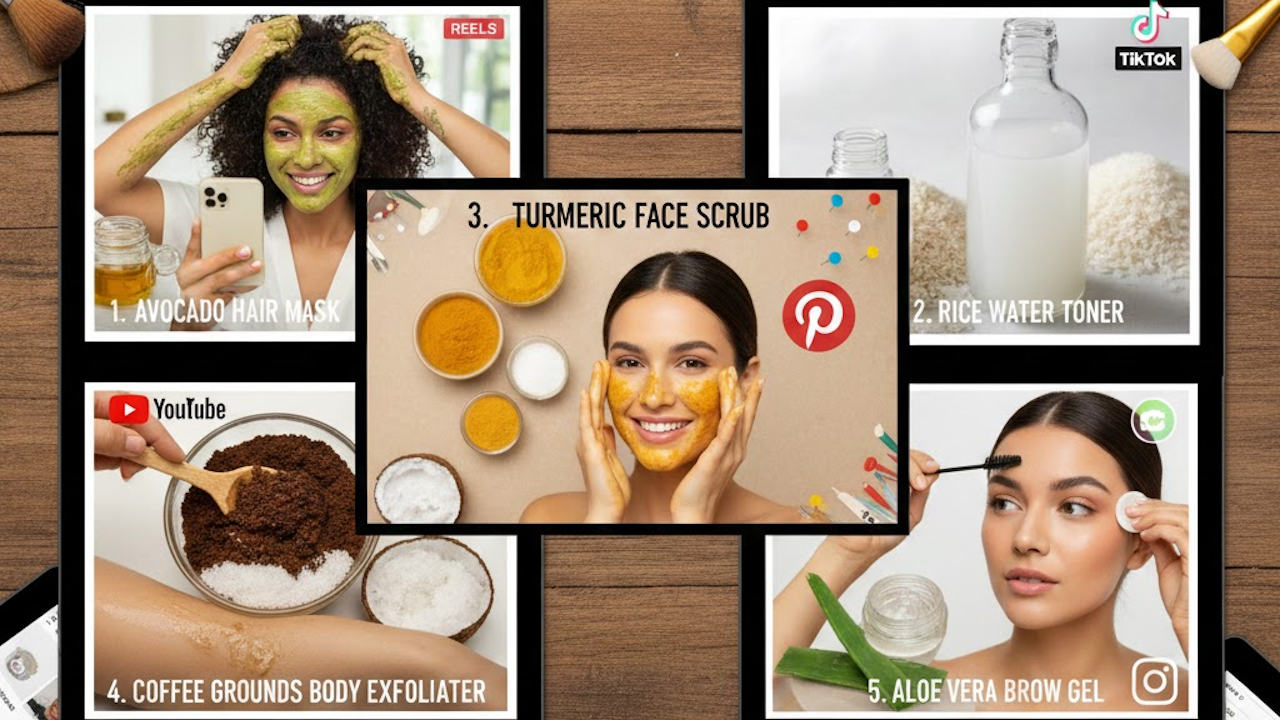
Social media has turned ordinary kitchens and bathrooms into laboratories for beauty experimentation. Across TikTok, Instagram Reels, and YouTube, creators share quick tutorials and dramatic before-and-after clips that rack up millions of views. These DIY beauty trends thrive because they feel accessible, affordable, and authentic. Users mix pantry staples or apply basic oils in their own homes instead of purchasing expensive serums or booking salon appointments.
The surge reflects broader shifts. Many people seek natural alternatives amid concerns about synthetic ingredients and rising product costs. Short video formats reward satisfying visuals: golden liquids poured into spray bottles, thick masks smoothed onto glowing skin, or lashes coated in rich oil. Comment sections fill with testimonials, questions, and duets showing personal results. Hashtags like #RosemaryWater, #RiceWaterHair, #DIYFaceMask, and #CastorOilLashes connect global communities experimenting together.
These trends also promote self-care rituals. Preparing a treatment becomes a mindful moment rather than a rushed chore. Sustainability plays a role too, as reusable glass bottles and minimal packaging reduce waste compared to single-use products. Yet enthusiasm must pair with realism. Results vary by genetics, consistency, diet, and overall health. Some ingredients suit certain skin or hair types better than others. Patch testing remains essential, and anyone with sensitivities, conditions, or doubts should consult a dermatologist or trichologist before trying new routines. Professional advice never gets replaced by viral videos.
Here are five DIY beauty trends currently dominating feeds and inspiring users to embrace simple, at-home solutions.
1. Rosemary Water Hair Growth Treatments
Rosemary water stands out as one of the most enduring viral hair trends. Videos demonstrating its preparation and results have collectively amassed tens of millions of views. Creators show thinning hairlines filling in or shedding slowing after weeks of consistent use. The trend taps into desire for thicker, longer hair without harsh chemicals or costly prescriptions.
Rosemary has a long history in traditional remedies for scalp health. Modern interest exploded when users compared it to minoxidil in anecdotal reports and small studies. The herb contains antioxidants and compounds like carnosic acid and rosmarinic acid that may improve blood circulation to follicles, reduce inflammation, and support a healthy scalp environment. While not a miracle cure, many report visible improvements in hair density and reduced breakage when used regularly.
Making rosemary water at home is straightforward. Use fresh rosemary sprigs or dried leaves. Add a handful to a pot of water, bring to a gentle boil, then simmer for 15 to 30 minutes. Strain the liquid once cooled, pour into a clean spray bottle, and store in the refrigerator for up to two weeks. Some variations include a splash of apple cider vinegar for pH balance or a few drops of rosemary essential oil for stronger scent, though the essential oil version requires careful dilution to avoid irritation.
Application methods differ by preference. Many spray the cooled water onto the scalp and hair after washing, massage gently, and leave it in or rinse after 30 minutes. Others use it as a weekly rinse instead of regular conditioner. Frequency usually starts at two to three times per week. Pairing with scalp massages enhances the ritual and may further stimulate circulation.
Users on social media often document journeys over one to three months. Early changes might include less shedding during brushing. Longer-term feedback highlights shinier strands and baby hairs appearing along the hairline. Variations include combining rosemary with other herbs like peppermint for a cooling sensation or fenugreek for added nourishment claims.
Precautions matter. Perform a patch test on the inner arm first. Avoid contact with eyes. Those with rosemary allergies or sensitive scalps should dilute more or skip entirely. Pregnant individuals sometimes consult professionals before using essential oil versions. Overuse can occasionally lead to dryness in fine hair, so balancing with moisturizing conditioners helps.
The trend rules social media because transformation videos feel hopeful and replicable. Anyone can boil rosemary in their kitchen, and the low cost encourages experimentation. Challenges like “30-day rosemary water challenge” keep momentum alive as participants share progress updates.
2. Fermented Rice Water for Hair and Skin Glow
Fermented rice water has become a staple in “glass hair” and “glass skin” content. Originating from traditional Asian beauty practices, the method went global through viral videos showing silky, reflective hair and brighter complexions. Creators demonstrate pouring starchy liquid over long locks or patting it onto faces, followed by dramatic shine reveals.
Rice water contains inositol, amino acids, vitamins, and minerals that may strengthen hair shafts, reduce porosity, and add smoothness. Fermentation introduces mild lactic acid that can gently exfoliate the scalp or skin surface while potentially offering probiotic-like benefits for balance. For hair, it aims to improve elasticity and reduce breakage, leading to the appearance of faster growth through less damage. On skin, it serves as a toner that may soothe, brighten, and support hydration.
Preparation involves simple steps. Rinse uncooked rice several times until water runs clear. Soak the rice in fresh water for 30 minutes to an hour for a quick version, or let it ferment at room temperature for 24 to 48 hours for deeper benefits. The longer fermentation creates a slightly sour smell that many tolerate. Strain the liquid into a bottle. Some add a few drops of essential oil or dilute with distilled water. Refrigerate and use within a week.
For hair, pour the rice water over clean, wet strands after shampooing. Massage into scalp and lengths, then rinse after 10 to 20 minutes or leave lightly damp for extra absorption. Weekly use suits most routines. For skin, apply as a toner with clean hands or a cotton pad after cleansing. Let it absorb before moisturizer. Some mix it into DIY masks or use it in hair masks for extra conditioning.
Social media showcases impressive before-and-afters: dull, frizzy hair turning glossy and manageable, or uneven skin tone appearing more even after consistent application. Variations include using different rice types like black rice for antioxidants or adding green tea for extra soothing. Quick non-fermented versions appeal to those sensitive to scent.
Risks stay low for most people, yet patch testing prevents surprises. Fermented versions may irritate very reactive skin, so starting with shorter fermentation times helps. Avoid if rice allergies exist. Over-application on hair can sometimes weigh strands down, especially fine textures, so adjusting frequency maintains balance.
The trend persists because results appear relatively fast and the process feels luxurious yet inexpensive. Videos of pouring the cloudy liquid and watching light catch newly shiny hair create satisfying content that algorithms promote heavily. Community tips on storage and scent masking keep engagement high.
3. DIY Kitchen Ingredient Face Masks for Radiant Skin
Face masks made from everyday kitchen items represent a timeless yet constantly refreshed trend. Honey, turmeric, oatmeal, banana, and avocado feature in countless reels demonstrating quick mixes that deliver glow, calm redness, or hydrate dryness. These treatments turn self-care into a creative, low-cost ritual.
Each ingredient brings specific properties. Raw honey acts as a humectant that draws moisture while offering antibacterial qualities helpful for blemish-prone skin. Turmeric provides curcumin, an antioxidant and anti-inflammatory compound linked to brighter tone and reduced redness in some studies. Oatmeal soothes irritated skin with beta-glucans. Banana supplies potassium and vitamins for softness. Avocado delivers healthy fats that nourish dry areas.
Basic recipes require minimal effort. For a popular turmeric honey mask, combine one teaspoon of turmeric powder with two tablespoons of raw honey. Optional additions include a spoonful of plain yogurt for creaminess or a few drops of lemon juice for extra brightening, though lemon increases sun sensitivity. Mix into a smooth paste, apply evenly to clean face avoiding eyes, leave for 10 to 15 minutes, then rinse with lukewarm water. Use once or twice weekly.
Other favorites include mashed banana with honey for dry skin, oatmeal blended with milk or honey for calming, or avocado with olive oil for intense hydration. Creators often film the mixing process in pretty bowls, application with brushes or fingers, and the final rinse revealing refreshed skin. Time-lapses and side-by-side comparisons drive shares.
Social proof comes from diverse users reporting calmer breakouts, softer texture, and temporary brightness. The trend encourages personalization: add cinnamon for warming sensation in small amounts or green tea for antioxidants. Many treat mask nights as weekly routines paired with relaxing music or baths.
Safety requires attention. Turmeric can temporarily stain light fabrics or skin, so old towels and careful application help. Patch test new combinations. Those with allergies to any ingredient should avoid them. Overuse of exfoliating elements like lemon can disrupt the skin barrier. Results remain surface-level and temporary for most; consistent gentle care matters more than occasional masks.
This category dominates because nearly everyone has these ingredients, and videos feel inclusive across budgets and skin tones. The creative freedom to experiment fosters community recipes and adaptations. Many appreciate the sensory experience of natural scents over artificial fragrances.
4. Castor Oil for Fuller Lashes, Brows, and Healthier Hair
Pure castor oil has surged in popularity for its versatility across lashes, brows, and scalp. Influencers demonstrate nightly applications leading to thicker-looking lashes and brows or stronger hair strands. The thick, golden oil provides occlusion that seals in moisture, which many credit for improved appearance over time.
The oil contains ricinoleic acid, fatty acids, and vitamin E that moisturize and may reduce inflammation. While scientific evidence for dramatic growth remains limited and mostly anecdotal, users frequently report less breakage, softer texture, and sometimes increased density after months of use. For lashes and brows, it conditions existing hairs, making them appear fuller. On hair, it serves as a pre-shampoo treatment or scalp massage oil.
Application stays simple. Choose cold-pressed, organic castor oil in a dark bottle to preserve quality. For lashes and brows, use a clean spoolie brush or clean finger to apply a thin layer to clean, makeup-free areas before bed. Avoid getting it in eyes. For hair, warm a small amount between palms, massage into scalp or apply to mid-lengths and ends, then cover with a shower cap for 30 minutes or overnight before washing out. Use two to four times weekly.
Content creators share progress photos after four to eight weeks, highlighting lifted lashes or defined brows without makeup. Some combine castor oil with other oils like rosemary or jojoba for custom blends. Jamaican black castor oil appears in variations claiming stronger benefits due to its processing.
Precautions include patch testing, as rare allergies occur. The oil feels heavy, so fine hair or oily scalps may need less frequent use or dilution. It can clog pores if left on facial skin excessively, so precise application matters. Never ingest castor oil for beauty purposes. Those using lash serums or medications should check compatibility.
The trend thrives on visible, gradual changes that reward patience. Videos of coating lashes in rich oil followed by morning reveals of fluttery length create aspirational yet achievable content. Affordability compared to prescription lash serums adds appeal, and the multi-use nature encourages ongoing engagement across beauty niches.
5. DIY Sugar and Honey Lip Scrubs and Natural Balms
Lip care DIYs deliver quick wins that users love sharing. Dry, chapped lips transform into soft, smooth ones through gentle exfoliation and deep hydration. Sugar scrubs paired with honey and oils dominate because they require minutes to prepare and provide immediate tactile satisfaction.
Sugar provides physical exfoliation to remove dead skin cells. Honey hydrates and offers mild antibacterial properties. Carrier oils like coconut, olive, or jojoba nourish and seal moisture. Optional add-ins such as vanilla extract or a tiny pinch of cinnamon create pleasant scents or mild plumping sensations, though cinnamon can irritate.
A basic scrub combines one tablespoon of fine sugar with one teaspoon of raw honey and one teaspoon of melted coconut oil. Stir until it reaches a spreadable consistency. Gently massage onto clean lips in circular motions for 30 to 60 seconds, then rinse or wipe away. Follow with a thicker balm version by increasing oil or adding shea butter for overnight wear. Apply the scrub once or twice weekly, not daily, to avoid over-exfoliation.
Social media features satisfying close-ups of flaky lips disappearing and plump results appearing. Many creators offer tinted versions by mixing in beetroot powder or cocoa for natural color. Overnight lip masks using thicker honey-oil blends become part of evening routines, with morning reveals of smooth texture.
Benefits include immediate softness and prevention of further cracking when used consistently. The ritual feels indulgent yet practical, especially in dry seasons. Variations allow customization for scent preferences or sensitivity levels.
Risks center on abrasion and irritation. Use fine sugar to prevent micro-tears. Those with very sensitive lips should skip cinnamon or strong essential oils. Patch testing new recipes prevents reactions. Over-scrubbing can worsen dryness, so moderation and follow-up hydration prove key.
This trend remains popular because lips show fast visible improvement, making content highly shareable. Short tutorials fit perfectly into quick-scroll feeds, and the low barrier to entry invites beginners. Many users appreciate avoiding commercial balms with questionable additives.
These five DIY beauty trends illustrate how social media empowers individuals to take beauty routines into their own hands using simple, often inexpensive ingredients. They foster creativity, community, and a return to basics while delivering satisfying rituals and potential benefits. Success depends on consistency, proper technique, and listening to personal responses. Experiment mindfully, celebrate small improvements, and remember that professional guidance complements rather than competes with at-home care. As these trends evolve, they continue reminding users that glowing results can start with what is already close at hand.