

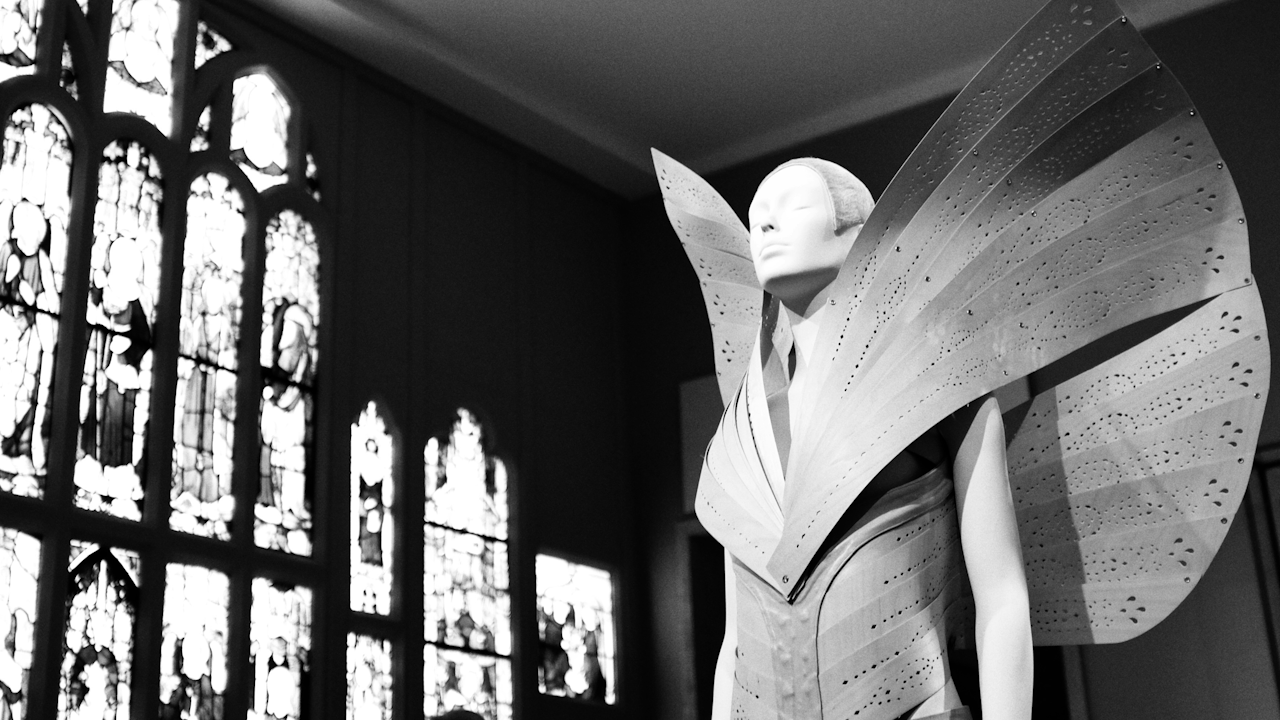
In the world of high fashion, where centuries-old techniques of hand-sewing, draping, and embroidery have long defined elegance, a quiet revolution is unfolding. 3D-printed fashion represents the seamless fusion of traditional couture artistry with the precision of digital technology. Designers are no longer bound by the limitations of fabric bolts or manual labor alone. Instead, they harness additive manufacturing to create garments that defy gravity, mold perfectly to the body, and emerge with intricate structures once impossible to achieve. This marriage of couture and tech is not merely a novelty for runway spectacles. It signals a profound shift in how clothing is conceived, produced, and consumed, promising greater personalization, reduced waste, and entirely new aesthetic possibilities.
The roots of 3D-printed fashion trace back to the early 2010s, when experimental designers first experimented with the technology. In 2010, Dutch couturier Iris van Herpen presented her Crystallization collection, featuring the first 3D-printed dress to grace a haute couture runway. That milestone garment, with its crystalline, web-like structure, marked a turning point. It demonstrated that printers could produce flexible, wearable forms rather than rigid prototypes. By 2013, collaborations expanded rapidly. Francis Bitonti and Michael Schmidt created a fully articulated 3D-printed gown for burlesque performer Dita Von Teese, using Shapeways technology. These early efforts relied on selective laser sintering and stereolithography, processes that fused powdered materials or cured liquid resins layer by layer. What began as avant-garde experimentation quickly evolved into a toolkit for innovation, influencing everything from accessories to full ensembles.
At its core, 3D printing in fashion relies on several additive techniques tailored to textile-like properties. Fused deposition modeling extrudes molten filaments such as thermoplastic polyurethane or polylactic acid through a nozzle, building flexible structures suitable for accents or entire panels. Selective laser sintering melts nylon powders into durable, porous forms ideal for complex lattices. Stereolithography and PolyJet methods cure photopolymer resins with lasers or UV light, enabling multi-material prints that combine rigid supports with soft, rubber-like elements in a single piece. Recent advancements include direct-to-fabric printing, where printers deposit material onto existing textiles, and hybrid approaches that integrate 3D-printed components with traditional sewing. Materials have progressed beyond basic plastics. Today, designers incorporate recycled ocean plastics, bioplastics derived from renewable sources, and even experimental composites that mimic leather or silk. These processes allow for parametric design, where algorithms generate patterns based on body scans or artistic inputs, turning a digital file into a physical object with minimal human intervention.
No figure embodies this intersection more than Iris van Herpen. Since launching her label in 2007, she has consistently pushed boundaries by integrating 3D printing with handcraft. Her 2021 Roots of Rebirth collection featured laser-cut lace embellished with 3D-printed gill-like structures, while the Foliage dress from the Ludi Naturae line employed PolyJet technology to print directly onto ultra-thin tulle. The result was a gradient of color and transparency achieved through 260 hours of printing, followed by controlled deformation during post-processing. Van Herpen’s Skeleton dress, a collaboration with architect Isaïe Bloch, used selective laser sintering to evoke an exoskeleton of muscles and bones, printed in polyamide for flexibility. More recently, her Voltage collection continued this legacy with fully flexible 3D-printed elements that challenge notions of what a garment can be. Working with partners like Materialise and Stratasys, she has produced pieces worn by celebrities including Beyoncé, Lady Gaga, and Natalie Portman. Her exhibitions, such as Sculpting the Senses at the Musée des Arts Décoratifs in Paris, showcase over 100 dresses and accessories, illustrating how 3D printing amplifies rather than replaces traditional couture skills.
Other visionaries have expanded the field in complementary ways. Israeli designer Danit Peleg became the first to produce an entire collection using desktop 3D printers, emphasizing accessibility and creating pleated, articulated garments that consumers could theoretically print at home. Julia Koerner, an Austrian architect turned fashion innovator, drew inspiration from nature in pieces like the Kelp Jacket, which replicates organic underwater forms through multi-material Stratasys printing. Susan Fang merges craft with technology via Air-Weave textiles and 3D beading, producing ethereal, lightweight pieces. ThreeASFOUR’s Biomimicry collection included the Harmonograph dress, a flexible armor-like garment printed in Agilus30 material to explore harmonic vibrations in nature. Jewelry houses have joined the movement too. Boucheron’s Quatre Sand collection reinterprets classic designs with 3D-printed black sand and gold, blending traditional luxury with additive precision. Even established brands like Issey Miyake have explored 3D elements to enhance pleating and structure.
Footwear has emerged as a particularly fertile ground for 3D printing. Adidas pioneered this space with its 4DFWD Runner and Futurecraft lines, using printed midsoles from recycled ocean plastic for enhanced cushioning and reduced weight. Nike’s A.I.R. (Athlete Imagined Revolution) collection combined generative AI with rapid 3D prototyping to create concept sneakers that blend performance and fantasy. Louis Vuitton and Hugo Boss now employ the technology for prototypes and limited-edition shoes, accelerating design cycles from months to days. Emerging players like STARAY produce fully 3D-printed single-piece sneakers that are breathable, customizable, and easy to clean, aligning with demands for less waste. These innovations address fit issues through body-scanning apps, allowing consumers to receive shoes tailored to their exact foot geometry.
Sustainability stands as one of the most compelling arguments for 3D-printed fashion. Traditional garment production generates enormous waste through cutting patterns from fabric rolls, overproduction, and global shipping. In contrast, additive manufacturing builds objects only where needed, often achieving near-zero material waste. On-demand printing means garments are produced after orders are placed, slashing inventory and returns. Localized production reduces carbon emissions from transportation. Designers increasingly favor recycled filaments, biodegradable resins, and upcycled marine debris, as seen in van Herpen’s collaborations with Parley for Adidas. Studies highlight how these methods support circular fashion: printed items can be recycled back into filament or dissolved for new uses. For an industry responsible for roughly ten percent of global carbon emissions, this shift toward precision and minimalism offers a pathway to meaningful environmental progress.
Despite these advantages, significant challenges remain. Cost and scalability pose hurdles for widespread adoption. High-end 3D-printed couture pieces can require dozens or even hundreds of hours to print, making them prohibitively expensive for mass markets. Material limitations persist as well. Many printed fabrics lack the breathability, drape, or washability of conventional textiles, raising concerns about comfort and durability for everyday wear. Print bed sizes restrict full-garment production, often necessitating assembly of modular parts. Environmental trade-offs exist too. Some polymers derive from fossil fuels, and the energy demands of industrial printers must be weighed against benefits. The fashion workforce requires new skills in digital modeling and software, creating a gap between traditional ateliers and tech-savvy studios. Intellectual property issues arise when designs become easily shareable digital files, complicating protection in an era of open-source creativity.
Looking toward 2025 and 2026, several trends indicate accelerating integration. AI-assisted design tools now generate intricate patterns from simple prompts, while digital twins and virtual simulations eliminate physical sampling and cut waste by up to seventy percent. Body-scanning combined with augmented reality allows consumers to preview and customize garments before printing. Direct-to-fabric printers and hybrid solutions are expanding applications from accessories to full apparel. 4D printing, which incorporates smart materials that respond to stimuli like heat or moisture, hints at clothing that adapts to the wearer over time. Mass customization is moving from niche to mainstream, with e-commerce platforms enabling on-demand production. Brands like ZER Collective have already showcased collections where most runway looks incorporated 3D-printed components, proving viability at scale. Sustainability-focused processes, including bio-based filaments and localized micro-factories, align with consumer demands for ethical fashion.
The future of 3D-printed fashion points toward democratization and transformation. Home printers could one day allow individuals to produce custom clothing from downloadable files, blurring lines between designer and consumer. Supply chains may shorten dramatically as production localizes, challenging fast fashion’s dominance. Integration with wearable technology could yield garments that monitor health or change appearance on command. Ethical considerations will grow in importance, from ensuring equitable access to technology to addressing job displacement in traditional manufacturing. As costs decline and materials improve, 3D printing may evolve from couture curiosity to everyday essential, reshaping industries beyond fashion into areas like medical textiles and performance wear.
Ultimately, 3D-printed fashion illustrates how technology can elevate rather than erode craftsmanship. It honors the sculptural heritage of couture while injecting unprecedented creativity and responsibility. Designers like van Herpen and her contemporaries are not replacing needles and thread. They are expanding the palette of possibilities. As the technology matures, it holds the potential to create a more sustainable, personalized, and imaginative wardrobe for the future. Couture has always been about pushing limits. In this era, those limits are defined by code, filament, and vision, promising a wardrobe as innovative as the world it inhabits.