

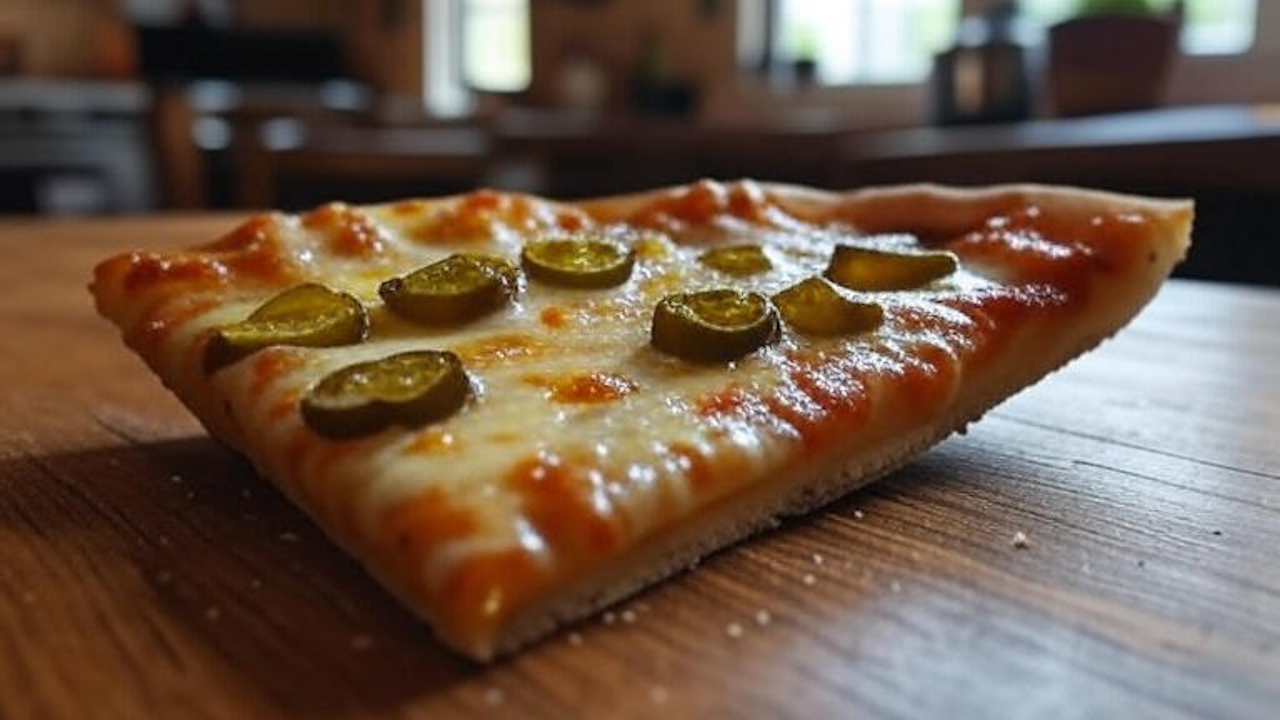
In the vast landscape of culinary exploration, certain food combinations defy logic yet deliver exceptional results. These pairings often blend opposing elements like sweet and salty, creamy and crunchy, or hot and cold to create balanced experiences that surprise and satisfy the palate. Flavor science explains much of their success: acidity can cut through richness, salt enhances sweetness, and contrasting textures add excitement that keeps each bite interesting. What seems weird on paper becomes crave worthy after one taste because our senses respond to harmony born from contrast rather than similarity. Food lovers worldwide have discovered these gems through experimentation, cultural traditions, or happy accidents. This article dives deep into 10 such unexpected pairings that genuinely work, complete with explanations of their appeal, preparation tips, and reasons they elevate everyday eating. Prepare to challenge your assumptions and perhaps find new favorites.
1. Peanut Butter and Pickles
Few combinations spark as much debate as peanut butter paired with pickles, yet those who try it often become lifelong fans. The creamy, nutty spread meets the briny, vinegary crunch of dill pickles in a sandwich format that feels both comforting and adventurous. The weirdness stems from mixing a dessert staple with a savory condiment, but the magic lies in how the pickle’s acidity slices through the peanut butter’s richness while its saltiness amplifies the subtle sweetness of the peanuts. This creates a flavor loop that is addictive: one bite offers smooth earthiness, the next delivers sharp tang and satisfying snap.
Home cooks swear by it as a quick lunch or late night snack, and it traces back to regional American traditions where pantry staples get creatively combined. The pairing works especially well because pickles introduce umami depth that peanut butter lacks on its own, resulting in a more complex profile than plain peanut butter and jelly. To prepare it, spread a generous layer of smooth or crunchy peanut butter on fresh bread, layer thin slices of dill pickles or even pickle spears for extra crunch, and press the sandwich closed. Some enthusiasts add a thin slice of cheese or a dash of hot sauce for extra layers. The result is a portable meal that feels indulgent yet balanced, proving that opposites attract in the kitchen just as they do elsewhere.
2. Vanilla Ice Cream with Olive Oil and Sea Salt
Drizzling extra virgin olive oil over vanilla ice cream and finishing it with flaky sea salt sounds like a recipe for disaster, but it transforms a basic dessert into something restaurant worthy. The pairing seems bizarre because olive oil belongs in savory dishes, yet its fruity, peppery notes complement the cold creaminess perfectly. The oil adds a luxurious mouthfeel and subtle bitterness that balances the ice cream’s sweetness, while the salt crystals provide pops of salinity that heighten every flavor without overpowering.
This combination draws from Italian culinary traditions where high quality olive oil elevates simple sweets, and modern chefs have popularized it through tasting menus. The science here involves fat on fat: the olive oil coats the tongue and slows the melt of the ice cream, allowing longer enjoyment of the interplay. Texturally, the oil creates a silky sheen, and the salt delivers crunch against the smooth scoop. Try it at home by scooping premium vanilla ice cream into a bowl, drizzling one to two teaspoons of good olive oil, and sprinkling a pinch of Maldon or similar flaky salt. It works best with full fat ice cream and robust olive oil rather than mild varieties. Once tasted, this pairing reveals why chefs chase unexpected elegance in humble ingredients.
3. Strawberries and Balsamic Vinegar
Fresh strawberries tossed with aged balsamic vinegar challenge the idea that fruit should stay sweet and vinegar belongs only in salads. The duo appears mismatched until the first bite, where the vinegar’s complex acidity and subtle sweetness intensify the berries’ natural juiciness and floral notes. Balsamic adds depth with its caramelized undertones and slight tang, preventing the strawberries from tasting one dimensional while the fruit’s sugars mellow the vinegar’s sharpness.
This pairing has roots in Italian cuisine, where strawberries and balsamic have been enjoyed together for centuries as a simple dessert or appetizer. The contrast works because balsamic vinegar contains natural sugars from grape reduction, creating harmony rather than clash. It also brightens the berries through acidity, much like lemon does for other fruits but with richer complexity. To enjoy it, hull and slice ripe strawberries, drizzle with a teaspoon or two of high quality aged balsamic per serving, and let them sit for five to ten minutes to release juices. A light sprinkle of black pepper or fresh mint can enhance it further, though the basic version shines on its own. Served over ice cream or alongside cheese, it becomes a versatile treat that proves vinegar can be dessert worthy.
4. Watermelon and Feta Cheese
Juicy watermelon paired with salty feta cheese sounds like an odd summer salad experiment, yet it delivers a refreshing explosion of flavors that has endured in Mediterranean cooking for generations. The sweetness of the melon meets the briny creaminess of the cheese, creating a perfect sweet savory balance that refreshes on hot days. The weird factor comes from combining a fruit typically eaten alone with a strong savory dairy product, but the result is addictive because the feta’s saltiness tempers the watermelon’s high sugar content while its tanginess cuts through the melon’s mild flavor.
This pairing originated in Greek and Middle Eastern cuisines where fresh produce and cheese form the backbone of meals. The textures contrast beautifully: crisp, watery melon against crumbly, dense feta. Nutritionally it adds protein and calcium to a hydrating snack. Prepare it by cubing seedless watermelon, crumbling feta over the top, and optionally adding torn fresh mint leaves or a light drizzle of olive oil for cohesion. A pinch of chili flakes can introduce gentle heat if desired. The combination proves so successful that it appears on restaurant menus worldwide, turning a simple fruit into an elegant starter or side that guests always remember.
5. Bacon and Chocolate
Crispy bacon enveloped in dark or milk chocolate seems destined for failure until the first bite reveals a harmonious blend of smoky saltiness and rich cocoa. The weirdness arises from merging breakfast meat with candy, yet the fat in bacon carries the chocolate’s flavors while its salt counters the sweetness to prevent cloying. Smoky notes from the bacon enhance the chocolate’s bitterness, resulting in a sophisticated sweet savory profile reminiscent of mole sauces but in snack form.
This pairing gained popularity through modern confectioners and bacon obsessed food trends, though similar ideas appear in various cultures. The key is using high quality chocolate and well cooked bacon that is not overly greasy. To make it, cook bacon strips until extra crispy, pat dry thoroughly, then dip or drizzle in melted chocolate and let it set on parchment paper. A sprinkle of sea salt or cayenne can elevate it further. The contrast keeps the palate engaged, making it an ideal party treat or indulgent dessert. Those who try it often describe it as addictive because the flavors linger in a way that neither component achieves alone.
6. French Fries Dipped in Milkshake
Dipping salty, crispy French fries into a thick, sweet milkshake defies every rule of separation between meals and desserts, yet the combination creates an irresistible hot cold, salty sweet symphony. The fries’ crunch and potato earthiness pair with the milkshake’s creaminess and vanilla or chocolate notes, while the salt enhances the shake’s sweetness without making it taste savory. This pairing feels weird because it merges fast food staples in an unconventional way, but it works through temperature contrast that refreshes with every bite.
Popularized in American diners and drive throughs, it has become a cult favorite for its playful appeal. The milkshake coats the fries lightly, adding richness that the potatoes absorb beautifully. Choose a vanilla or strawberry shake for milder results or chocolate for bolder contrast. At home, prepare fresh hot fries and a homemade or store bought shake, then dip away. Some prefer thinner shakes for easier coating. This duo satisfies multiple cravings at once and demonstrates how simple items can create complex satisfaction when paired boldly.
7. Grilled Cheese Sandwich Dipped in Applesauce
A classic grilled cheese sandwich plunged into smooth applesauce sounds like a child’s experiment gone wrong, but the warm, melty cheese and buttery bread harmonize with the cool, tangy fruit puree in surprising ways. The applesauce’s natural sweetness and slight tartness cut through the sandwich’s richness, while its moisture complements the crisp exterior. This pairing seems odd because applesauce typically accompanies pork or sits alone, yet it elevates the grilled cheese by adding brightness and preventing it from feeling heavy.
Rooted in comfort food traditions where fruit purees pair with cheesy dishes, it delivers balanced comfort. The temperature difference keeps each bite exciting: hot sandwich against cool sauce. To try it, make a standard grilled cheese with cheddar or American cheese on white bread, then warm applesauce on the side for dipping. Unsweetened varieties work best to avoid excess sugar. The result is a nostalgic yet refined meal that feels both familiar and fresh, proving humble sides can become stars when used creatively.
8. Pizza Dipped in Ranch Dressing
Dipping slices of pizza into creamy ranch dressing transforms a beloved Italian American staple into something even more indulgent. The tangy, herby ranch cuts through the pizza’s tomato acidity and cheese richness while its buttermilk base adds cool creaminess against the hot crust. This seems weird to traditionalists, but it works by introducing cooling contrast and herbal depth that complements pepperoni, sausage, or veggie toppings alike.
Popular in casual American dining and college kitchens, the pairing has earned devoted fans for its ability to enhance leftover pizza especially. Ranch’s garlic and dill notes blend seamlessly with pizza herbs and cheese. Simply warm pizza slices and serve with a bowl of ranch for dipping. Thick crust pizzas hold up best. The combination satisfies cravings for both savory depth and cooling tang, making it a go to for game nights or solo dinners that feels far more exciting than plain slices.
9. Oreos Dipped in Orange Juice
Dunking chocolate Oreo cookies into orange juice instead of milk produces a bright, citrusy twist on a classic treat. The juice’s acidity brightens the cookie’s sweetness and cocoa notes while its natural sugars enhance the filling’s vanilla flavor. This pairing feels counterintuitive because juice is not traditionally a dunker, yet it creates a refreshing, almost tropical profile that cuts through the cookie’s density.
Discovered through playful experimentation, it appeals to those seeking lighter alternatives to milk. The orange’s tartness prevents the Oreo from tasting overly rich, and the liquid softens the cookie just enough without sogginess if dipped briefly. Use regular or double stuffed Oreos and fresh or pulp free orange juice for best results. Dip quickly and enjoy immediately. The result is a surprisingly sophisticated snack that bridges breakfast and dessert vibes, proving liquids beyond milk can unlock new dimensions in familiar cookies.
10. Avocado and Chocolate
Blending creamy avocado into chocolate pudding, mousse, or even brownies sounds like a health hack gone too far, but the combination yields a silky, rich dessert with hidden nutritional benefits. The avocado’s mild flavor and healthy fats provide an ultra smooth texture that amplifies chocolate’s depth without tasting green or vegetal. The weirdness lies in using a savory fruit in sweets, yet it works because avocado acts as a neutral canvas that carries cocoa’s intensity while adding luxurious mouthfeel.
Popular in vegan baking and modern wellness recipes, this pairing mimics traditional Mexican uses of avocado in sweet preparations. It reduces the need for excess butter or cream, resulting in a lighter yet decadent product. To make a simple version, blend ripe avocado with melted dark chocolate, cocoa powder, a touch of maple syrup, and vanilla until smooth, then chill. The outcome is a mousse like treat that fools even skeptics. This duo proves plant based ingredients can create restaurant quality desserts, expanding possibilities for those with dietary preferences or simply adventurous tastes.
These 10 pairings illustrate that great food often emerges from breaking rules. Each one succeeds through thoughtful contrast rather than random chance, inviting curiosity and reward for those bold enough to try. Next time boredom strikes in the kitchen, reach for an unexpected partner and discover how flavor boundaries can dissolve into delight. Your palate will thank you for the adventure.